
Estonia Tourism Guide 2026: Medieval Tallinn, Digital Innovation, and Baltic Nature
Discover the ultimate 2026 Estonia travel guide, featuring the UNESCO-listed Old Town of Tallinn, the academic charm of Tartu, and the pristine wilderness of Lahemaa National Park.

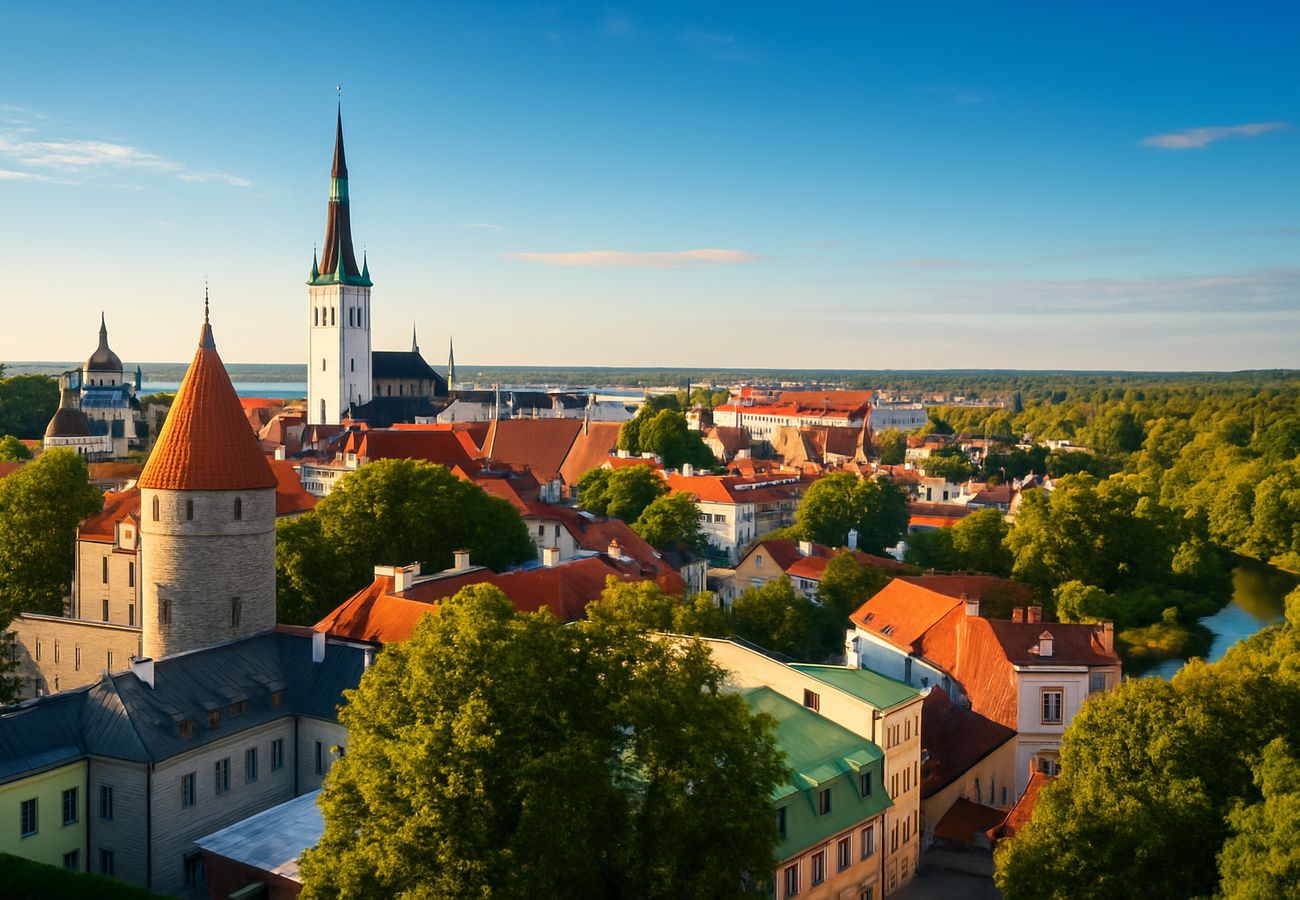
Image generated by AI
Quick Summary
- UNESCO Heritage: Tallinn’s Old Town is one of Europe's best-preserved medieval centers, protected as a UNESCO World Heritage site since 1997.
- Digital Hub: Tallinn is a global leader in technology, featuring modern creative hubs like Telliskivi Creative City alongside ancient Gothic churches.
- Academic Heart: Tartu, the country's second-largest city, is defined by the University of Tartu (est. 1632) and its vibrant bohemian culture.
- Pristine Nature: Lahemaa National Park stands as one of Northern Europe’s largest protected areas, offering vast forests, manor houses, and coastal trails.
- Island Escapes: Saaremaa, Estonia’s largest island, is famous for its historic windmills, medieval castle, and serene Baltic beaches.
- Efficient Logistics: The Tallinn Card provides travelers with free public transport and access to over 50 museums and attractions.
- Seasonal Hubs: Pärnu serves as the "summer capital" for seaside resorts, while Otepää is the premier winter sports destination for skiing.
Estonia, the northernmost of the Baltic states, continues to emerge as a premier European destination in 2026 by offering a unique duality of experiences. It is a nation where 13th-century cobblestone streets coexist with a world-leading digital infrastructure, and where half of the land is covered in lush, accessible forests. For the cultural traveler, the spires of Tallinn and the intellectual legacy of Tartu provide a deep immersion into European history. For the nature enthusiast, the bog walks of Lahemaa and the coastal serenity of the islands offer a tranquil escape from urban life. Estonia’s commitment to sustainability and eco-tourism, combined with an efficient and affordable transportation network, makes it an ideal destination for those seeking authenticity, innovation, and adventure. With a culinary scene that bridges traditional staples like black bread and smoked fish with high-end modern Baltic fusion, Estonia remains a "small but mighty" must-visit destination in the Northern European travel market.
Estonia Tourism 2026: Top Cities, National Parks, and Cultural Logistics
The following table summarizes the essential landmarks, regional hubs, and visitor services for the 2026 Estonian travel season.
| Category | Top Landmark / Service | Unique Experience / Significance |
|---|---|---|
| UNESCO Site | Tallinn Old Town | Medieval Gothic architecture & Toompea Castle |
| Academic Hub | University of Tartu | 17th-century intellectual & cultural heart |
| Nature Hub | Lahemaa National Park | Massive forest reserves & historic manor houses |
| Island Escape | Saaremaa | Medieval windmills & Kuressaare Castle |
| Summer Capital | Pärnu | Sandy Baltic beaches & luxury spas |
| Winter Hub | Otepää | Nordic skiing & snowboarding center |
| Digital Hub | Telliskivi Creative City | Industrial-chic art, cafes, & startup culture |
| Visitor Tool | Tallinn Card | Free transit & 50+ attraction admissions |
Tallinn: Where Medieval Fairytales Meet Digital Innovation
Estonia's capital is the primary gateway and a study in contrasts:
- The Old Town: Winding streets lead to the Alexander Nevsky Cathedral and the Tallinn City Hall, showcasing one of the most intact medieval urban structures in the world.
- Modern Spirit: Beyond the walls, the Tallinn Creative Hub and Telliskivi reflect the city's status as a leader in global technology and creative arts.
- Logistics: The city's trams and buses are frequent and reliable, with the Tallinn Airport located just 15 minutes from the central hub.
Tartu: The Academic and Intellectual Heart of the Baltics
Tartu offers a more bohemian and contemplative atmosphere compared to the capital:
- University Influence: The University of Tartu defines the city's rhythm, bringing a youthful energy to its historic medieval buildings like the Tartu Cathedral.
- Cultural Festivals: The city is a center for traditional Estonian music, most notably the Tartu Song Festival which attracts participants from across the nation.
- Science and Art: Attractions like the AHHAA Science Centre and the Tartu Art Museum highlight the city's focus on education and contemporary creativity.
Nature and Adventure: Exploring Lahemaa and the Islands of Saaremaa
Estonia’s natural landscape is characterized by its accessibility and biodiversity:
- Lahemaa National Park: Ideal for day trips from Tallinn, offering hiking through bogs and cycling between historic coastal villages.
- Saaremaa: Reached via a short ferry, the island provides a quiet retreat with well-preserved windmills and the limestone Kuressaare Castle.
- Eco-Tourism: Over 50% of Estonia is forested, and the country has one of the lowest population densities in Europe, making it a haven for eco-conscious travelers.
Seasonal Hubs: Pärnu Summer Resorts and Otepää Winter Sports
Estonia offers distinct seasonal experiences depending on the time of year:
- The Summer Capital: Pärnu is the premier Baltic resort town, featuring wide sandy beaches, shallow warm waters, and a vibrant art nouveau architectural scene.
- The Winter Capital: Otepää, located in the rolling southern hills, serves as the training ground for Estonia's Olympic skiers and offers slopes for all skill levels.
- Autumn and Spring: These seasons are ideal for bird watching (particularly migratory species in Matsalu National Park) and exploring the manor houses of the interior.
Culinary Traditions: From Ancient Black Bread to Modern Baltic Fusion
Estonian food is rooted in local, seasonal ingredients and peasant traditions:
- Iconic Staples: Dark rye "black bread" is served at every meal, often paired with smoked fish, forest mushrooms, and local butter.
- Kama: A unique Estonian flour-based dish made from roasted barley, rye, oat, and pea flour, typically mixed with sour milk (kefir).
- Modern Scene: Tallinn’s high-end restaurants are currently winning international acclaim for their use of foraged berries and game meats in sophisticated Baltic fusion dishes.
Transport Strategy: Navigating Estonia via the Tallinn Card and Rail Network
Estonia's compact size and modern infrastructure make it exceptionally easy to explore:
- Rail Links: Clean and efficient trains connect Tallinn to Tartu, Pärnu, and Narva in under three hours.
- Bus Connectivity: An extensive long-distance bus network reaches even the most remote national parks and coastal towns.
- The Tallinn Card: Essential for city visitors, this pass covers all public transport and provides entry to the Seaplane Harbour museum and the Tallinn TV Tower.
Conclusion: A Perfect Intersection of History, Nature, and Progress
Ultimately, Estonia in 2026 offers a rare combination of old-world charm and futuristic efficiency. Whether you are wandering through the medieval spires of Tallinn, attending a student festival in Tartu, or hiking the wild coastline of Lahemaa, the country provides a profound sense of place and culture. By preserving its vast biological reserves while leading the world in digital integration, Estonia has created a tourism model that is both sustainable and highly accessible, ensuring its place as a must-visit destination in the Northern European travel market.
FAQ: Estonia Tourism & Travel 2026
Is Estonia a good destination for families? Yes. With safe cities, interactive museums like the AHHAA Science Centre, and easy-to-navigate national parks, it is highly rated for family travel.
Do I need a car to travel around Estonia? While a car is helpful for reaching remote parts of Lahemaa or the interior, the train and bus network is sufficient for visiting all major cities and coastal hubs.
What is the best time of year to visit Tallinn? For the best weather, June to August is ideal. However, the Tallinn Christmas Market (Dec-Jan) is often voted the most beautiful in Europe.
Related Travel Guides
- Washington County Travel Surges as $110,300 Tourism Grant Boosts Heritage Attractions and Local Adventures
- Amsterdam Tourism Proposes Doubling Hotel Tax to 20% in 2026
- Aviation Updates: Massive US Pride Month Tourism Surge Triggers Severe Travel Chaos as Millions Bypass Airport Disruptions to Reach New York and California
Disclaimer
This article is for informational and educational purposes only. It does not constitute legal, financial, or professional advice. While we strive to provide accurate and up-to-date information, travel policies, regulations, and conditions change rapidly. Always verify information with official sources before making travel decisions. Nomad Lawyer makes no representations about the accuracy, reliability, completeness, or suitability of the information provided. Readers should consult qualified professionals for advice specific to their circumstances. The views expressed in this article are those of the author and do not necessarily reflect the views of Nomad Lawyer.
Kunal K Choudhary
Co-Founder & Contributor
A passionate traveller and tech enthusiast. Kunal contributes to the vision and growth of Nomad Lawyer, bringing fresh perspectives and driving the community forward.
Learn more about our team →