
Endeavor Air Operated Delta Connection Flight EDV5290 to Cedar Rapids Diverts to Des Moines Due to Severe Midwest Thunderstorms
Endeavor Air flight EDV5290 (Delta Connection), operated by a Mitsubishi CRJ-701ER from Minneapolis to Cedar Rapids, diverted to Des Moines due to storms.

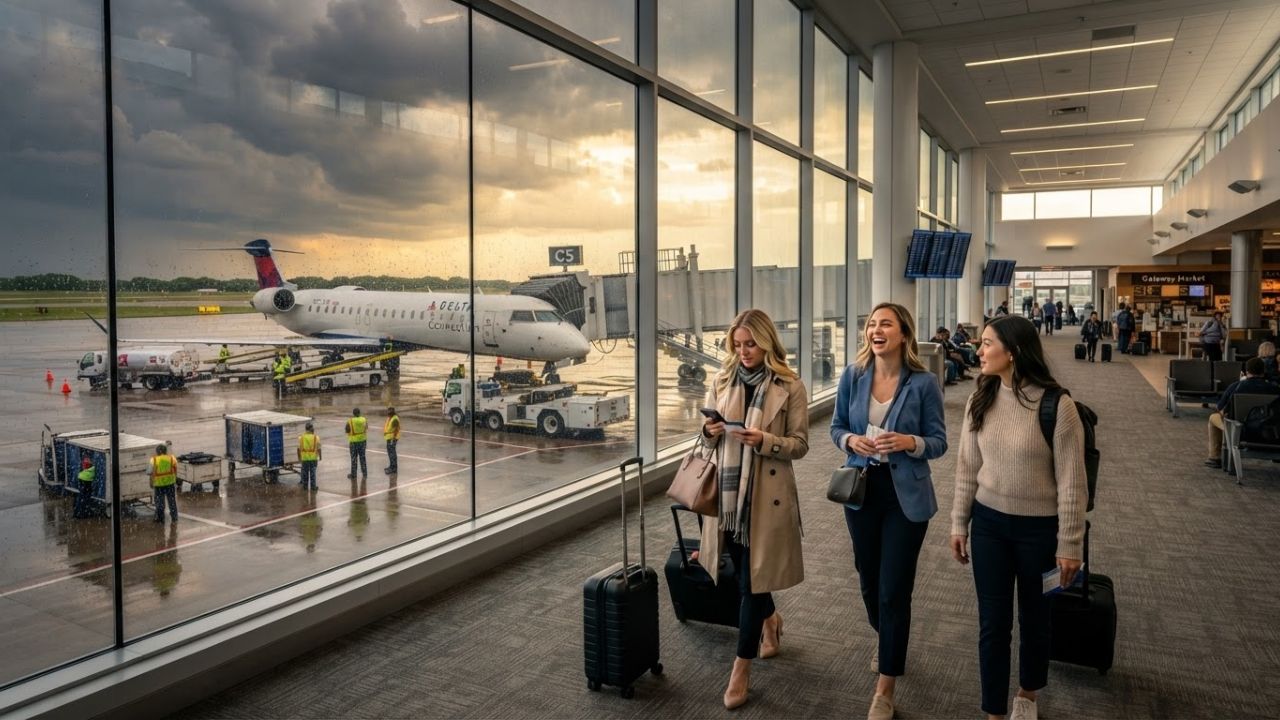
Image generated by AI
Endeavor Air Operated Delta Connection Flight EDV5290 to Cedar Rapids Diverts to Des Moines Due to Severe Midwest Thunderstorms
SEO Title: Endeavor Air Delta Flight EDV5290 Diversion Des Moines 2026 Meta Description: Endeavor Air flight EDV5290 (Delta Connection), operated by a Mitsubishi CRJ-701ER from Minneapolis to Cedar Rapids, diverted to Des Moines due to storms. Slug: /endeavor-air-delta-flight-5290-diversion-des-moines-2026 Standfirst: Endeavor Air Flight EDV5290, operating as a Delta Connection service from Minneapolis to Cedar Rapids, diverted to Des Moines International Airport on July 8, 2026. Severe thunderstorms and microburst risks forced the Mitsubishi CRJ-701ER to abort its landing approach.
Article
[Des Moines, July 9, 2026] — A regional flight traversing the upper Midwestern United States was forced to divert following a sudden escalation in thunderstorm activity. Endeavor Air Flight EDV5290, operating under the Delta Connection banner, was routing from Minneapolis-Saint Paul International Airport to Cedar Rapids.
Flight radar data indicates that as the regional jetliner neared eastern Iowa, active weather cells blocked the descent corridor. The presence of wind shear, localized microbursts, and heavy rain reduced visibility below legal landing minimums at The Eastern Iowa Airport.
The flight crew, in coordination with air traffic controllers, abandoned the final approach. The crew selected Des Moines International Airport as their primary diversion airfield to avoid active turbulence zones.
Weather Interruption and Inflight Diversion Decision
The aircraft was vectored toward western Iowa, landing safely at Des Moines International Airport. The Des Moines facility acts as a major alternate airport for the region, offering longer runways and full ground-handling services.
Following landing, Delta Air Lines representatives met the passengers to arrange alternative transportation. Due to the proximity of the two cities, the airline organized ground coach buses to transport passengers to Cedar Rapids.
The proactive route change ensured that passengers remained safe during the transit. Ground teams processed baggage and coordinated the bus transfers to minimize overall traveler delays.
Des Moines Alternate Airport Capabilities and Passenger Support
The flight was operated using a Mitsubishi CRJ-701ER regional jetliner. This twin-engine regional aircraft features advanced avionics and high-performance climb rates that allow rapid routing changes.
Federal aviation regulations require regional carriers to carry significant fuel reserves when weather delays are forecast. This extra fuel allowed the flight crew to evaluate landing conditions without facing immediate fuel pressure.
The flight crew utilized onboard weather radar to trace a path through clear air corridors. This flight path management kept the aircraft away from the core of the convective storm system.
Technical Performance of the Mitsubishi CRJ 701ER
Summer weather systems in the Midwest present ongoing challenges for regional airlines. Convective storms build rapidly during hot afternoons, requiring constant coordination between dispatchers and air traffic control.
The diversion of Flight EDV5290 highlights the importance of established safety margins in regional airline operations. Flight crews routinely choose alternate airports rather than attempting landings in marginal conditions.
Des Moines International Airport has the terminal capacity and fueling resources to support multiple diverted aircraft. Coordinated support from local ground teams allowed the carrier to resolve the disruption efficiently.
Data Table
Endeavor Air Flight EDV5290 Diversion Parameters
| Operational Parameter | Detailed Flight Value | Alternate Airport Capability |
|---|---|---|
| Flight Number | EDV5290 (Delta Connection) | Des Moines International (DSM) |
| Operating Carrier | Endeavor Air | Full ground service support |
| Aircraft Model | Mitsubishi CRJ-701ER | Long runway infrastructure |
| Departure Origin | Minneapolis-St. Paul (MSP) | Safe landing alternate site |
| Scheduled Destination | Cedar Rapids (CID) | Blocked by local weather |
| Actual Landing Site | Des Moines (DSM) | Safe tactical diversion |
| Passenger Transfer | Coordinated coach buses | Transport to Cedar Rapids |
Meteorological Risk Factors at Destination (CID)
| Environmental Hazard | Observed Impact on Operations | Flight Crew Action |
|---|---|---|
| Severe Wind Shear | Loss of airspeed stability | Aborted landing approach |
| Microburst Threat | Sudden downward wind vectors | Climb to safe cruise altitude |
| Low Visibility | Below legal approach limits | Rerouted flight to Des Moines |
| Convective Storm Cells | Extreme turbulence hazard | Steered clear via onboard radar |
Why This Matters
This regional diversion highlights the operational differences between mainline aircraft and regional jets during summer convective storm seasons. Regional aircraft like the Mitsubishi CRJ-701ER have smaller cabins and lower passenger capacities than mainline jets. Consequently, they are more susceptible to the effects of severe turbulence and wind shear. The decision to divert to Des Moines reflects a conservative safety culture that prioritizes avoiding convective storm activity over maintaining strict schedule arrivals.
Our analysis of regional aviation networks indicates that midwestern storm systems create a logistical challenge for regional carriers operating under contract for regional feeder routes. When a flight like EDV5290 is diverted, it disrupts the crew's subsequent flight assignments, causing a chain reaction of cancellations across the airline's domestic network. By utilizing ground coaches to complete the journey, Delta was able to fulfill its transportation contract with passengers while freeing the aircraft and crew for their next scheduled rotation from Des Moines.
In addition, the incident underscores the strategic role of secondary hubs in the US national airspace system. Des Moines International Airport provides the necessary capacity to handle multiple regional diversions simultaneously. Without these robust regional alternates, air traffic control would be forced to hold aircraft in the air, increasing the risk of fuel emergencies during severe weather events.
Industry Outlook
Market trends suggest that regional airlines will increasingly rely on automated flight routing tools to dodge convective storm cells before takeoff. The integration of real-time satellite weather feeds into cockpit electronic flight bags will allow crews to make diversion decisions earlier in the flight profile.
Apart from cockpit upgrades, regional airports like Des Moines are expanding their passenger service facilities to manage high volumes of diverted travelers. Improving terminal amenities and ground transit links will be essential to maintaining passenger satisfaction during summer storm disruptions.
Related Aviation News Guides
- Saudi Arabia Aviation Expansion Drives Massive Fleet Growth for Riyadh Air, flyadeal, and flynas
- Emirates to Deploy Second Daily Airbus A350 to Colombo Doubling Premium Economy Seat Capacity on Key South Asian Route in August 2026
- Thai Airways to Introduce Second Daily Paris to Bangkok Service Deploying Boeing 787-9 Dreamliner Starting December 2026
Disclaimer
This article is for informational and educational purposes only. It does not constitute legal, financial, or professional advice. While we strive to provide accurate and up-to-date information, travel policies, regulations, and conditions change rapidly. Always verify information with official sources before making travel decisions. Nomad Lawyer makes no representations about the accuracy, reliability, completeness, or suitability of the information provided. Readers should consult qualified professionals for advice specific to their circumstances. The views expressed in this article are those of the author and do not necessarily reflect the views of Nomad Lawyer.
Preeti Gunjan
Contributor & Community Manager
A passionate traveller and community builder. Preeti helps grow the Nomad Lawyer community, fostering engagement and bringing the reader experience to life.
Learn more about our team →