
Emirates Phases Out Ultra-High-Capacity A380s: 12 Routes Face Retirement of World's Most Densely Packed Superjumbo
Breaking airline news and aviation industry updates for 2026.

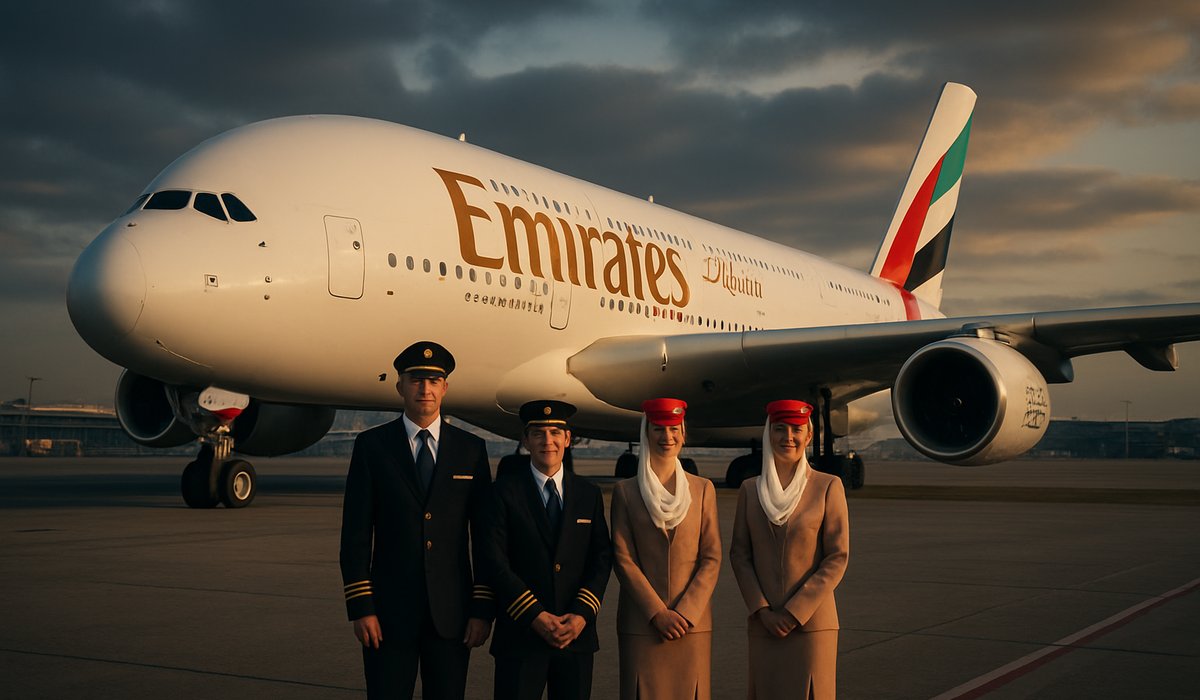
Image generated by AI
Emirates Phases Out Ultra-High-Capacity A380s: 12 Routes Face Retirement of World's Most Densely Packed Superjumbo
The airline discontinues services on its record-breaking 615-seat configuration as aviation industry shifts toward efficiency over capacity
A Landmark Retirement in Commercial Aviation
Emirates is systematically withdrawing its most densely configured Airbus A380 aircraft from service, marking a significant operational shift for the Middle Eastern carrier. The airline has identified 12 routes that will no longer operate the superjumbo's extraordinary 615-seat configuration—the highest passenger capacity of any commercial aircraft currently in active service worldwide.
The End of an Extreme Capacity Experiment
The Dubai-based carrier operates 116 A380s across multiple seating configurations, but only 15 aircraft feature the remarkable 615-seat layout that redefined commercial aviation's capacity limits. These ultra-dense configurations represent an outlier in the industry, pushing the boundaries of what airlines consider operationally viable for passenger comfort and revenue optimization.
The specific routes being abandoned have historically transported predominantly leisure travelers on high-volume, lower-yielding corridors—positioning typical of emerging travel markets and price-sensitive passenger segments rather than premium-revenue routes. This operational choice reflects Emirates' strategic recalibration toward profitability metrics beyond raw passenger numbers.
Strategic Implications for the Aviation Industry
The decision underscores a broader industry realignment occurring across global aviation. While the A380 superjumbo continues representing engineering achievement, airlines increasingly prioritize fuel efficiency, operational flexibility, and seat-mile economics over maximum capacity deployment. Current jet fuel price volatility and environmental regulations have accelerated this transition, making ultra-dense configurations economically challenging on medium-haul and leisure-oriented networks.
Emirates' move suggests that ultra-high-capacity aircraft, particularly those maximizing seating at the expense of passenger amenities, face diminishing commercial viability. Airlines have gradually recognized that modern travelers often prefer spacious, efficient aircraft over rock-bottom fares on cramped superjumbos.
What This Means for Passengers and the Industry
The retirement of these specific A380 configurations will likely redirect affected routes toward more efficient widebody aircraft, potentially improving passenger experience through increased legroom and reduced aircraft utilization costs. For Emirates, the consolidation allows fleet optimization while maintaining A380 presence on profitable, premium-focused routes.
This decision reflects fundamental shifts in post-pandemic aviation economics, where sustainable operations and passenger satisfaction increasingly outweigh historical capacity-maximization strategies that dominated early superjumbo deployment.
FAQ: Emirates A380 Retirement & Aviation Industry Changes
Q: Why is Emirates retiring the 615-seat A380 configuration? A: The ultra-dense seating limits profitability on lower-yield leisure routes while increasing operational costs. Modern airlines prioritize fuel efficiency and revenue per seat over maximum capacity.
Q: How many A380s are affected by this retirement? A: Only 15 of Emirates' 116 A380s feature the 615-seat configuration, affecting 12 specific routes initially.
Q: Will this impact airline baggage fees and ancillary charges? A: Potentially yes—routes transitioning to smaller aircraft may restructure pricing models, though fee impacts depend on specific route economics and competitive pressures.
Q: What aircraft will replace these A380s on discontinued routes? A: Emirates will likely deploy more fuel-efficient widebody aircraft like the Boeing 777 or Airbus A350, which offer better economics on these segments.
Q: How do rising jet fuel prices influence this decision? A: Elevated fuel costs make ultra-dense configurations economically unsustainable, as per-passenger fuel expenses increase significantly on larger aircraft with lower yields.
Related Travel Guides
Flight Delay Compensation Guide 2026
Understanding Airline Route Changes
Airport Security Process Updated (2026)
External Resources
Disclaimer
This article is for informational and educational purposes only. It does not constitute legal, financial, or professional advice. While we strive to provide accurate and up-to-date information, travel policies, regulations, and conditions change rapidly. Always verify information with official sources before making travel decisions. Nomad Lawyer makes no representations about the accuracy, reliability, completeness, or suitability of the information provided. Readers should consult qualified professionals for advice specific to their circumstances. The views expressed in this article are those of the author and do not necessarily reflect the views of Nomad Lawyer.
Kunal K Choudhary
Co-Founder & Contributor
A passionate traveller and tech enthusiast. Kunal contributes to the vision and growth of Nomad Lawyer, bringing fresh perspectives and driving the community forward.
Learn more about our team →