
Emirates Leads New Era Of Global Tourism Growth With Seven Destination Deals At ATM 2026
Emirates Leads New Era Of Global Tourism Growth With Seven Destination Deals At ATM 2026

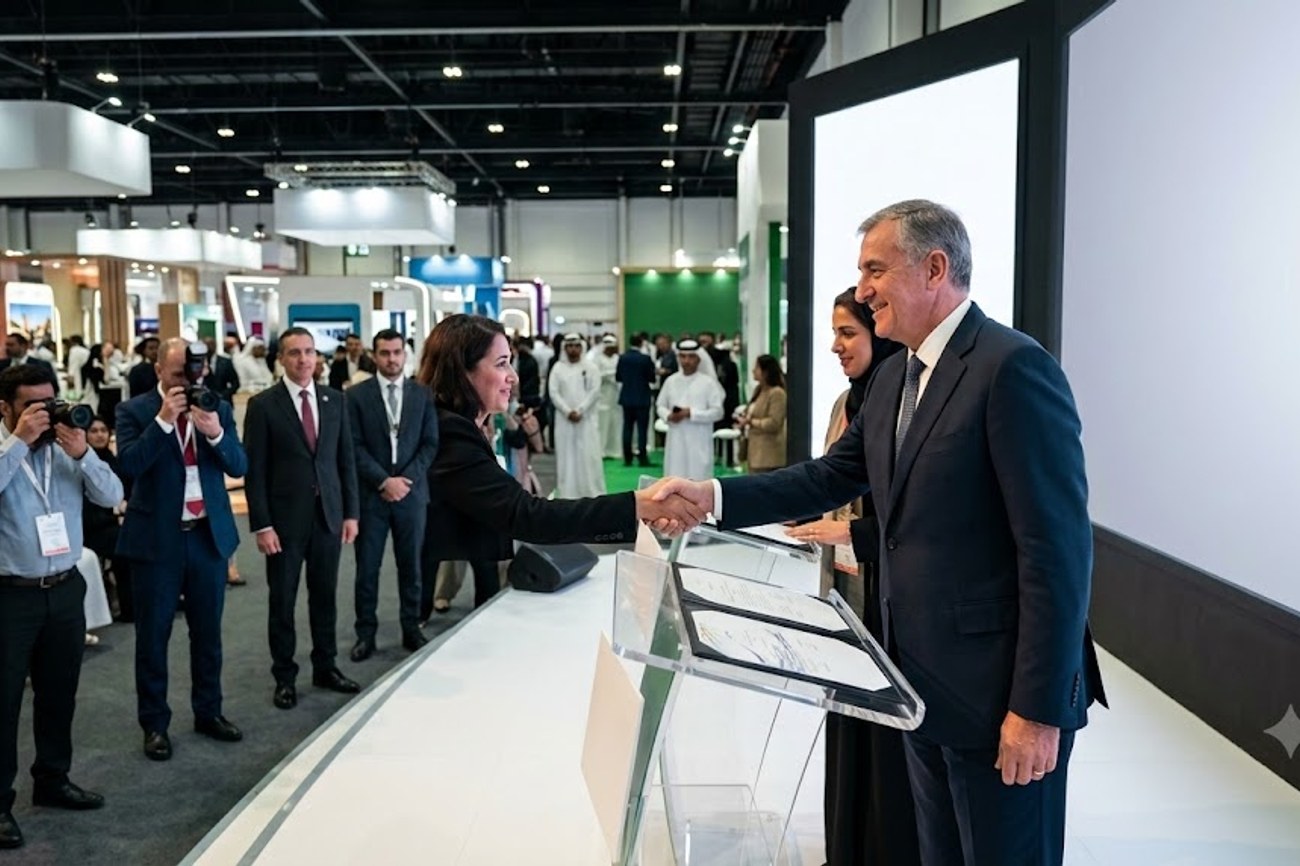
Image generated by AI
19,100 weekly seats between Dubai and Mauritius represent the scale of the logistical leverage Emirates wields when negotiating tourism treaties. By signing seven distinct agreements across the Indian Ocean, Europe, Southeast Asia, and the UAE during the lead-up to the Arabian Travel Market 2026, the carrier is not merely selling tickets—it is acting as a primary architect for national tourism strategies. These partnerships signal a shift where the airline dictates the flow of global human capital to specific emerging and established markets, effectively deciding which destinations receive the visibility required to hit aggressive growth targets.
The Geopolitics of Connectivity and Market Access
The strategic maneuvers executed by Emirates at ATM 2026 reveal a calculated effort to diversify its source markets while cementing its role as the indispensable gateway to the Global South. By aligning with tourism boards, the airline transforms its fleet into a distribution channel for destination marketing. This is a symbiotic relationship: destinations gain access to a global sales network and "familiarisation" programs for media and agents, while Emirates ensures high load factors by creating demand for its specific routes.
The scale of this influence is most evident in the Indian Ocean. The airline is not just maintaining routes but is actively participating in the economic planning of island nations. For instance, the new cooperation framework with Madagascar’s Ministry of Tourism and Handicrafts is directly tied to a national mandate: welcoming one million international tourists by 2028. When a destination's national economic goal is tethered to a single carrier's network, the airline gains significant leverage in airport negotiations and slot allocations.
Data Breakdown: Route Capacity and Visitor Metrics
The following data points illustrate the correlation between Emirates' capacity deployment and the resulting tourism growth in its partner regions.
| Destination | Key Metric | Data Point | Growth/Capacity |
|---|---|---|---|
| Seychelles | 2025 Visitor Count | 400,000 visitors | 13% increase YoY |
| Mauritius | Weekly Seat Capacity | 19,100 seats | 3 daily flights |
| Mauritius | Middle East Demand (H1 2026) | Visitor Growth | 10.5% increase YoY |
| Malaysia | National Visitor Goal | 47 million visitors | Visit Malaysia 2026–2027 |
| Malaysia | Flight Frequency | 21 weekly flights | Dubai–Kuala Lumpur |
| Madagascar | 2028 Target | 1 million tourists | New cooperation framework |
| Global | Network Reach | 140 destinations | Worldwide connectivity |
Expert Analysis: The "Destination Kingmaker" Effect
For the modern traveler, these agreements translate to a tangible shift in pricing and availability. When Emirates signs a "joint promotional campaign" with a body like Tourism Malaysia or the Seychelles Tourism Board, the direct consequence is an increase in targeted travel packages and bundled offerings. This often leads to a temporary stabilization of fares during promotional windows, but it also concentrates the flow of tourists into specific "approved" corridors.
The pricing pressure created by this consolidation is subtle. As Emirates strengthens its grip on the Dubai–Kuala Lumpur route (21 weekly flights) and adds Batik Air connectivity, it creates a near-monopoly on the high-end transit experience between Europe/Americas and Southeast Asia. For the traveler, this means fewer alternative premium options and a higher reliance on the International Air Transport Association (IATA) standards for ticketing and baggage through a single hub.
Furthermore, the renewal of the Sharjah Commerce and Tourism Development Authority agreement highlights a domestic strategy to "cross-pollinate" UAE tourism. By encouraging visitors to combine Dubai, Sharjah, and Abu Dhabi into a single itinerary, Emirates is attempting to increase the "Average Length of Stay" (ALOS) for visitors to the region. This is a classic aviation play: increasing the duration of a trip increases the likelihood of ancillary spending and higher-yield ticket sales.
The introduction of the new Premium Economy electric seat with enhanced privacy is the final piece of this puzzle. By upgrading the hardware, Emirates is targeting the "aspirational" traveler—those who cannot afford Business Class but are willing to pay a premium for the long-haul flights required to reach Madagascar or Mauritius. This creates a new pricing tier that captures a larger share of the middle-class travel market.
Key Takeaways
- National Targets: Madagascar is leveraging Emirates' network to reach a specific target of 1 million international tourists by 2028.
- Capacity Dominance: The Dubai–Mauritius corridor is heavily fortified with 19,100 weekly seats, supporting a 10.5% rise in Middle Eastern demand for H1 2026.
- Regional Synergy: A renewed push to integrate Dubai and Sharjah tourism aims to convert short-stopovers into multi-city UAE tours.
- Strategic Volume: Malaysia is utilizing the 21 weekly flights from Dubai and a partnership with Batik Air to chase a goal of 47 million foreign visitors.
- Hardware Pivot: The rollout of electric Premium Economy seats is designed to make ultra-long-haul journeys to Indian Ocean destinations more palatable for non-Business Class passengers.
FAQ: Emirates Global Connectivity 2026
How does the Emirates-Malaysia partnership affect flight options? Travelers have 21 weekly flights between Dubai and Kuala Lumpur. Additionally, a partnership with Batik Air expands connectivity to smaller Malaysian cities, making it easier to reach regional destinations via the Dubai hub.
What are the current tourism trends for the Seychelles? The destination is seeing significant growth, with 2025 recording nearly 400,000 visitors. This represents a 13% increase over the previous year, supported by two daily Emirates services to Mahé.
Will these agreements lead to cheaper flights to Madagascar? While the agreements focus on "promotional packages" and "visibility," they typically result in more frequent offers and bundled tour operator deals rather than a permanent drop in base airfares.
What is the "Visit Malaysia 2026–2027" campaign? It is a national initiative aiming to attract 47 million foreign visitors. Emirates supports this through joint advertising and familiarisation trips for travel agents and media.
The airline is no longer just a carrier; it is the primary valve controlling the flow of global tourism.
Tags: Emirates, Arabian Travel Market 2026, Visit Malaysia 2026-2027, Seychelles Tourism Board, Dubai-Kuala Lumpur Route, Mauritius Tourism Promotion Authority
Related Travel Guides
- Emirates Winter 2026 Boom Begins As New Aircraft, Rising Bookings And Global Network Expansion Transform Travel
- Wizz Air Is Now Set To Unlock Better Winter Flights To The UAE As Affordable Middle East Flights Return
- UK Unites Germany as Spain Airport Investment Drive Opens New Travel Opportunities Across Europe
Disclaimer
This article is for informational and educational purposes only. It does not constitute legal, financial, or professional advice. While we strive to provide accurate and up-to-date information, travel policies, regulations, and conditions change rapidly. Always verify information with official sources before making travel decisions. Nomad Lawyer makes no representations about the accuracy, reliability, completeness, or suitability of the information provided. Readers should consult qualified professionals for advice specific to their circumstances. The views expressed in this article are those of the author and do not necessarily reflect the views of Nomad Lawyer.
Preeti Gunjan
Contributor & Community Manager
A passionate traveller and community builder. Preeti helps grow the Nomad Lawyer community, fostering engagement and bringing the reader experience to life.
Learn more about our team →