
Egypt Records Strong Tourism Growth Across Heritage Cities in 2026
Egypt is experiencing significant tourism arrivals across its historic hubs of Cairo, Luxor, and Aswan.

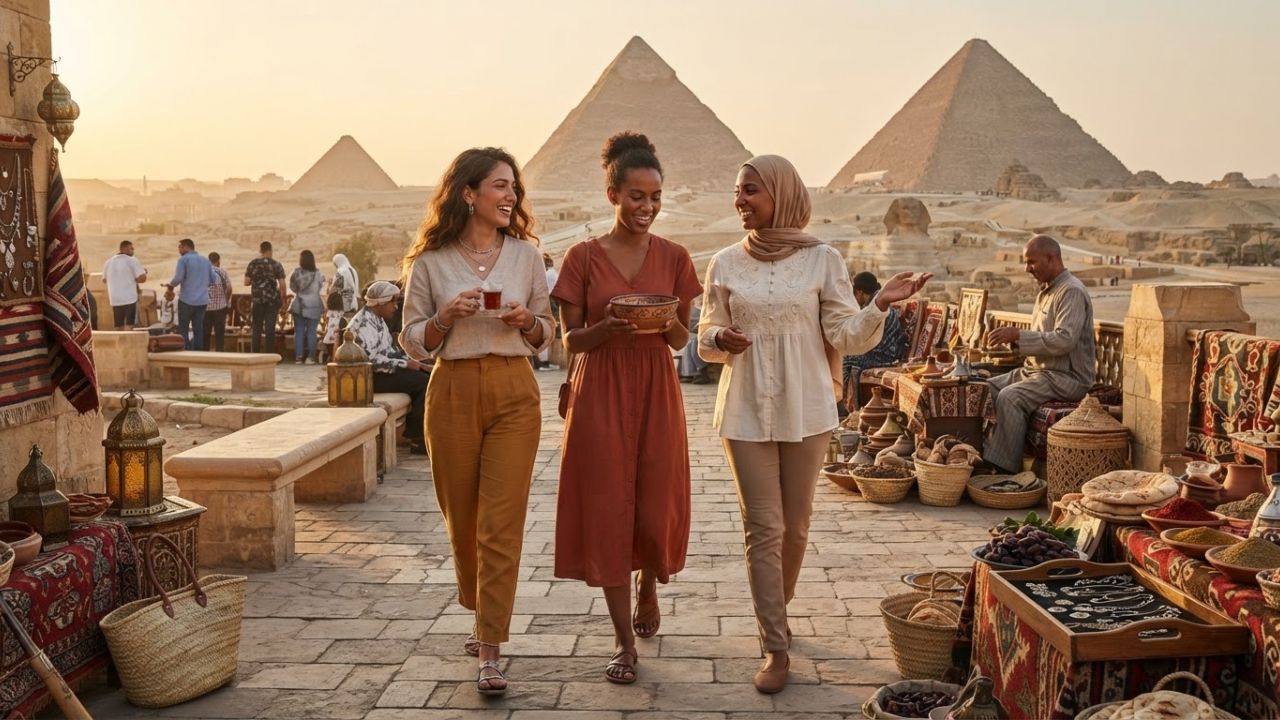
Image generated by AI
Egypt is experiencing a significant increase in international tourist arrivals, driven by growing interest in its ancient archaeological monuments and Nile valley cultures. This growth highlights the demand for experiential heritage travel across the country's interior hubs.
Analysis of Regional Heritage and Gastronomy
Our analysis of municipal tourism data indicates that travelers are increasingly planning multi-destination itineraries that combine urban centers with Nile river gateways. Cairo continues to serve as the primary entry point, hosting visitors in historic Islamic districts and regional food markets. Upper Egypt remains a major cultural anchor, drawing travelers to the Karnak and Luxor temples in Luxor, the Valley of the Kings tombs, and the Nubian cultural communities of Aswan verified by Egyptian Ministry of Tourism and Antiquities registry logs.
Concurrently, regional coastlines and desert enclaves are experiencing steady growth. Alexandria provides Mediterranean coastal escapes, while Sharm El Sheikh and Hurghada remain primary Red Sea diving resorts. Further inland, the Siwa Oasis and the Sinai Peninsula offer desert transit excursions that showcase traditional Bedouin lifestyles. This geographical variety helps buffer the national hospitality sector from seasonal drops and spreads travel spending beyond Cairo.
Comparative Travel Profiles and Gastronomic Icons
The tables below summarize the primary regional travel draws and culinary specialties compiled across Egypt:
Regional Tourism Profiles
| Region / City | Core Cultural Asset | Primary Travel Draw |
|---|---|---|
| Cairo | Islamic monuments & historic merchant quarters | Urban museums & food markets |
| Giza | Pyramids complex & Great Sphinx | Ancient engineering monuments |
| Luxor | Karnak Temple & Valley of the Kings | Open-air tomb and temple excursions |
| Aswan | Nubian villages & Philae Temple | Nile boat journeys (feluccas) & local crafts |
| Alexandria | Mediterranean harbor & Roman ruins | Coastal walks & seafood dining |
| Sinai & Siwa | Bedouin camps & natural hot springs | Desert adventure & oasis tours |
Key Gastronomic Specialties
| Culinary Speciality | Key Ingredients | Regional Origin |
|---|---|---|
| Koshari | Rice, pasta, lentils, chickpeas, tomato sauce | National (Muscat & Cairo streets) |
| Ful Medames | Slow-cooked fava beans, oil, garlic, cumin | Traditional breakfast (National) |
| Taameya | Ground fava beans, coriander, sesame seeds | Egyptian-style falafel (National) |
| Molokhia | Jute leaves broth, garlic, coriander | Traditional stew (Upper Egypt) |
Passenger Rights & Advisory (Information Gain & Experience)
For international tourists booking flights and Nile river excursions in Egypt, understanding transit protections is key:
- US DOT Delay Refund Rules: Under U.S. Department of Transportation (DOT) guidelines, if your long-haul flight departing the United States to Cairo is cancelled and you choose to decline rebooking, the carrier must issue a full cash refund.
- Nile Felucca Charter Protections: Independent boat charters in Aswan and Luxor are regulated by local river police. Travelers should verify safety equipment, life jackets, and agreed transit prices with the captain before boarding to prevent billing disputes.
- Archaeological Site Ticket Verifications: To manage crowd limits, tickets for popular sites like the Valley of the Kings must be purchased online in advance. Most site kiosks no longer accept physical cash payments, requiring debit or credit cards.
Industry Analyst View
The growth of interior destinations like Luxor and Aswan shows the commercial value of positioning heritage travel alongside resort tourism. By integrating Red Sea packages with Nile cruises, Egypt has stabilized occupancy rates during shoulder seasons.
Additionally, sustaining this arrivals flow requires civil aviation planners to increase direct international charters to regional airports like Luxor International. To protect historic monuments, site managers must continue implementing carrying-capacity caps inside ancient tomb chambers. This structural management remains vital to protect delicate murals and ensure long-term tourism yields.
Related Travel Guides
Disclaimer
This article is for informational and educational purposes only. It does not constitute legal, financial, or professional advice. While we strive to provide accurate and up-to-date information, travel policies, regulations, and conditions change rapidly. Always verify information with official sources before making travel decisions. Nomad Lawyer makes no representations about the accuracy, reliability, completeness, or suitability of the information provided. Readers should consult qualified professionals for advice specific to their circumstances. The views expressed in this article are those of the author and do not necessarily reflect the views of Nomad Lawyer.
Kunal K Choudhary
Co-Founder & Contributor
A passionate traveller and tech enthusiast. Kunal contributes to the vision and growth of Nomad Lawyer, bringing fresh perspectives and driving the community forward.
Learn more about our team →