
Edinburgh Proposes £2 Billion North-South Tram Expansion Connecting Granton to BioQuarter in 2026
Edinburgh is planning a £2 billion tram network expansion to link Granton and the BioQuarter, transforming urban mobility and sustainable tourism across Scotland's capital.

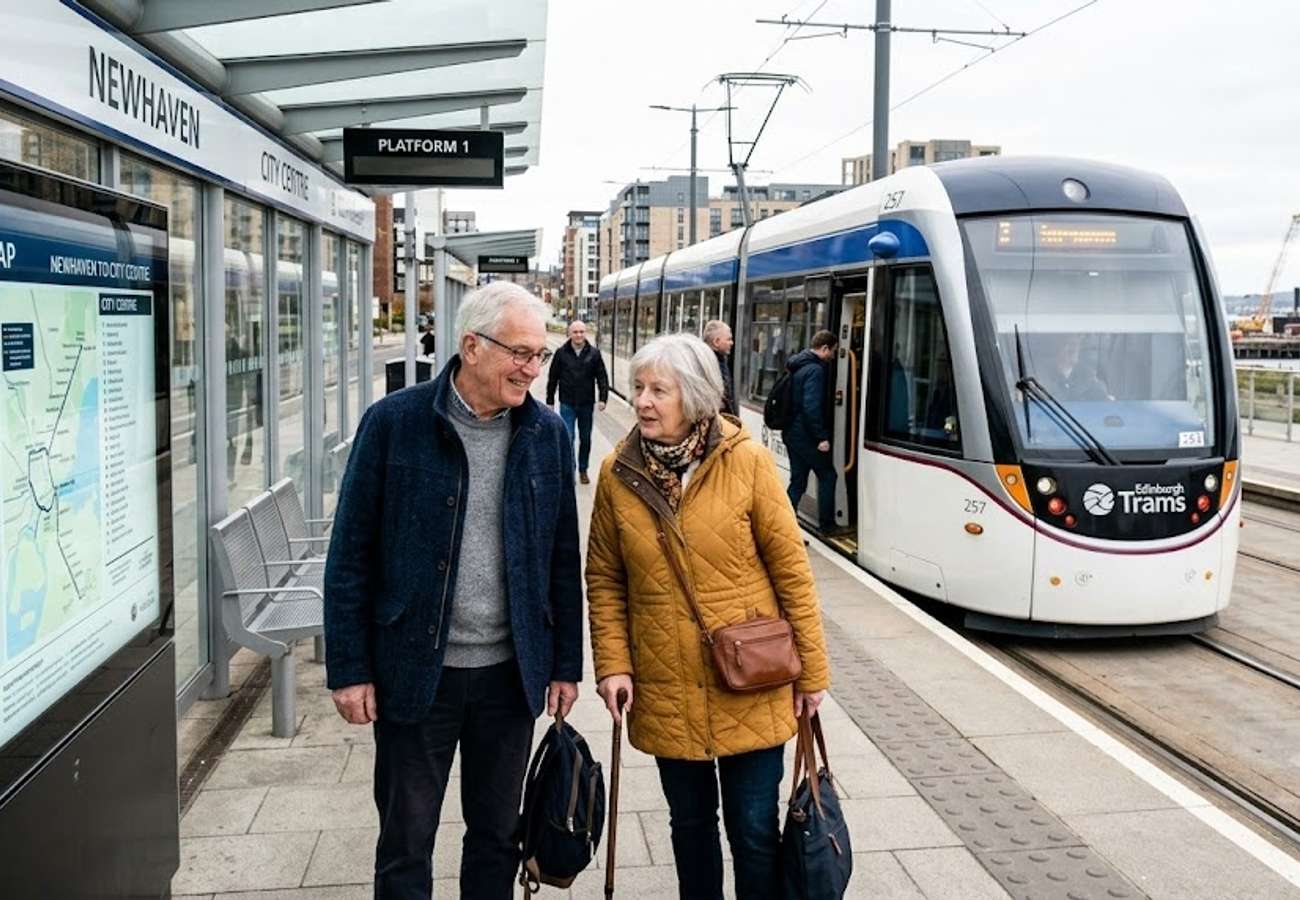
Image generated by AI
Edinburgh is advancing a £2 billion infrastructure project to link the northern waterfront of Granton with the southern innovation hub of the BioQuarter. This expansion aims to decentralize tourism and integrate underserved medical and residential districts into a single rapid-transit corridor.
The City of Edinburgh Council is currently evaluating a massive North–South tram extension designed to redefine the movement of residents and international visitors. By bridging the gap between the Firth of Forth coastline and the Royal Infirmary of Edinburgh, the project seeks to shift the city's transit gravity away from the saturated historic center and toward emerging economic zones.
The proposal has moved into a critical phase following the completion of extensive public and market research consultations in mid-2026. These findings are now under review by the Transport and Environment Committee.
Project Specifications and Route Parameters
The expansion is not merely a transit update but a strategic effort to connect healthcare, education, and regeneration zones. The following table outlines the core parameters of the proposed network.
| Parameter | Project Detail |
|---|---|
| Estimated Investment | £2 Billion |
| Primary Route | Granton $\leftrightarrow$ Edinburgh BioQuarter / Royal Infirmary |
| Key Transit Hubs | Granton Waterfront, City Centre, BioQuarter, Royal Infirmary |
| Current Status | Review of consultation findings (Mid-2026) |
| Decision Milestone | Strategic Business Case (SBC) decision expected September 2026 |
| Institutional Backing | Alliance of 18 civic/business orgs (incl. Edinburgh Airport & Chamber of Commerce) |
Traveler Logistics Guide: Navigating the New Corridor
From a ground-level perspective, the best way to navigate this expansion—once implemented—is to treat the North-South line as the primary artery for non-central attractions.
Booking and Connections For those arriving via Edinburgh Airport (EDI), the proposed integration with the existing network will allow for a seamless transition to the northern waterfront. Travelers should prioritize integrated digital ticketing (similar to the Tap-and-Pay systems used in other European capitals) to avoid the friction of multiple fare zones.
Optimal Layover and Transit Times While exact timings are pending the Strategic Business Case, the goal is to reduce reliance on private hire and buses. When planning trips to the BioQuarter for medical or academic purposes, travelers should allocate additional time for "last-mile" connectivity, as the tram will serve as the primary feeder to the Royal Infirmary.
Customs and Digital Policies Visitors should ensure their travel documents are updated for the UK's evolving digital entry requirements. While the tram is a domestic service, the influx of business tourism to the BioQuarter will likely increase the demand for streamlined transit from the airport to these specialized districts.
Infrastructure Impact Assessment
The £2 billion investment serves as a catalyst for two specific regional shifts:
- The Transformation of Granton: Traditionally a waterfront community, Granton is undergoing major regeneration. The tram provides the necessary "transit oxygen" to turn this area into a viable tourism destination, shifting visitor traffic toward the Firth of Forth coastline and Newhaven Harbour.
- Professional and Medical Tourism: The BioQuarter and Royal Infirmary are international hubs for scientific research. By providing a direct rail link, Edinburgh strengthens its position as a destination for conference delegates, academics, and medical professionals, reducing the congestion currently seen in the city's bus corridors.
The project aligns with broader European low-emission mandates, positioning Edinburgh as a leader in sustainable urban mobility by reducing the carbon footprint of the "last mile" for tourists and commuters.
Critical Timeline for 2026
- Mid-2026: Conclusion of public and market research consultations.
- August 2026: Transport and Environment Committee review of consultation data.
- September 2026: Expected final decision on the Strategic Business Case (SBC).
The shift from a historic-centric city to a connected polycentric capital depends entirely on the September 2026 decision.
Related Travel Guides
Disclaimer
This article is for informational and educational purposes only. It does not constitute legal, financial, or professional advice. While we strive to provide accurate and up-to-date information, travel policies, regulations, and conditions change rapidly. Always verify information with official sources before making travel decisions. Nomad Lawyer makes no representations about the accuracy, reliability, completeness, or suitability of the information provided. Readers should consult qualified professionals for advice specific to their circumstances. The views expressed in this article are those of the author and do not necessarily reflect the views of Nomad Lawyer.
Kunal K Choudhary
Co-Founder & Contributor
A passionate traveller and tech enthusiast. Kunal contributes to the vision and growth of Nomad Lawyer, bringing fresh perspectives and driving the community forward.
Learn more about our team →