
EasyJet passenger stranded four days in Milan after EU biometric chaos
Over 100 UK travelers missed their EasyJet flight after the EU's new biometric Entry/Exit System overwhelmed Milan airport border control in April 2026, leaving passengers stranded for days.

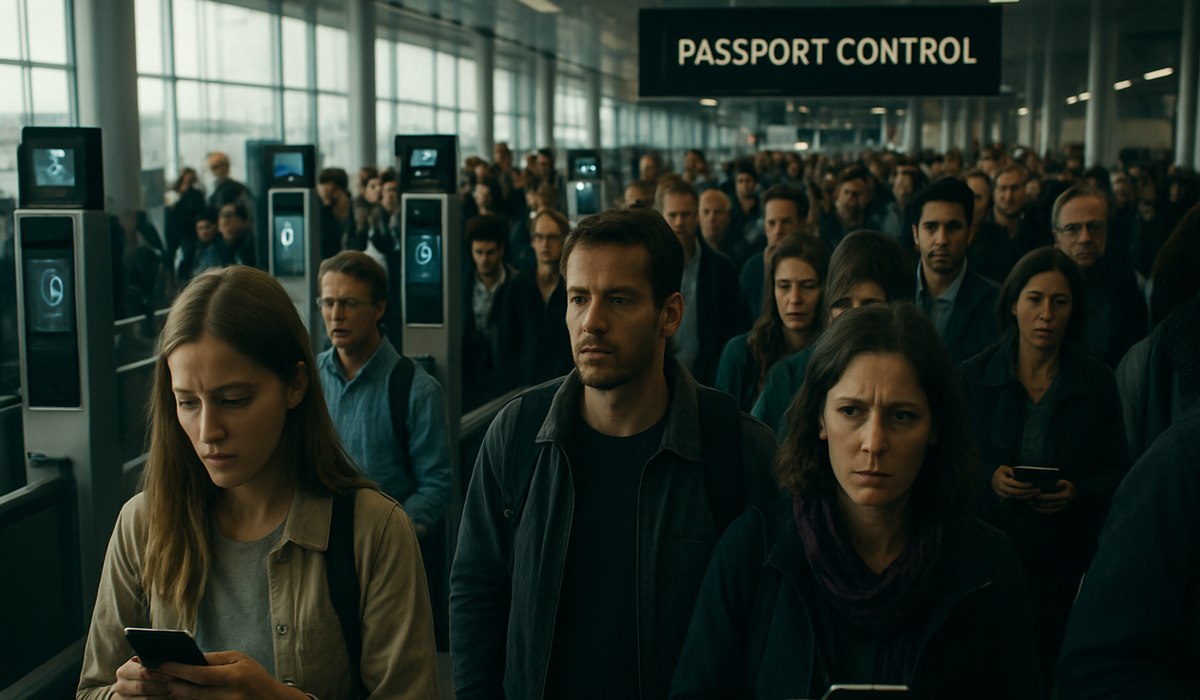
Image generated by AI
EasyJet Passenger Stranded: Milan Border Control Collapse Leaves 100+ UK Travelers Grounded
Over 100 UK travelers missed their EasyJet Manchester-bound flight after the European Union's newly implemented biometric Entry/Exit System (EES) caused severe congestion at Milan Linate Airport on April 12, 2026. One passenger was stranded for four consecutive days while waiting for rebooking options. The incident marks one of the first major airline-specific disruptions directly linked to the EES rollout, raising urgent questions about airport infrastructure capacity and passenger rights during border system transitions.
The Manchester service departed with only a fraction of its confirmed passengers aboard, leaving those still queued at biometric processing facing last-minute rebooking challenges during peak school holiday season.
What Happened: EES Chaos at Milan Linate
On Sunday, April 12, 2026, unprecedented queues formed at Milan Linate Airport's passport control as the EU's Entry/Exit System began mandatory processing for non-EU nationals, including UK citizens traveling after Brexit. Passengers were required to provide fingerprints and facial biometric data before clearing border control—a process that consumed hours during peak travel periods.
Reports indicate the queue extended so far that more than 100 passengers remained in the biometric processing hall when boarding closed for the EasyJet flight. The aircraft departed with dozens of empty seats while affected travelers faced the sudden reality of missing their connection home. EasyJet publicly described the border delays as "unacceptable," attributing responsibility to infrastructure constraints beyond the airline's control. However, passenger rights specialists note that affected travelers found themselves caught between competing authorities, with unclear responsibility chains between border police, airport operators, and the airline itself.
For one Manchester-bound passenger, this disruption triggered a four-day ordeal. Despite arriving at the airport in adequate time, they were unable to clear biometric checks before departure. With subsequent direct flights fully booked and school holiday pricing creating expensive alternatives, they spent four nights in Milan incurring unexpected accommodation and meal costs while waiting for seat availability.
The Entry/Exit System Explained
The EU's Entry/Exit System represents a significant infrastructure upgrade across European borders. Introduced to enhance security screening and monitor third-country national movements, EES requires non-EU citizens to submit biometric identifiers—fingerprints and facial recognition data—upon entry into the Schengen area.
UK citizens, classified as third-country nationals post-Brexit, must complete EES screening alongside other non-EU travelers. The system's rollout occurred in phases across member states, with Milan Linate among the earlier processing hubs handling substantial UK holiday traffic.
While designed to strengthen border security and streamline future crossings, the Milan incident exposed critical gaps between system capacity and actual passenger volumes during peak seasons. Airport infrastructure planning had not adequately scaled to accommodate simultaneous biometric processing for hundreds of holiday travelers. This infrastructure-demand mismatch created the perfect conditions for the EasyJet flight disruption, demonstrating that border technology implementation requires proportional investment in processing facilities and staffing.
Passenger Rights and Compensation
The Milan incident has reignited debate surrounding EU Regulation 261/2004, which governs airline passenger compensation for delays and cancellations. The regulation was drafted decades before large-scale biometric systems existed, creating legal gray areas when border control failures cause flight disruptions.
Under EC 261, airlines can potentially claim "extraordinary circumstances" when external authorities—including border police or government-mandated systems—directly cause passenger disruption. This classification may exempt airlines from compensation obligations. However, airlines retain separate care duties, including meal provision and accommodation when passengers face extended delays.
Passenger rights advocates suggest the Milan case will test these boundaries. Key legal considerations include whether EasyJet adequately warned passengers about potential EES-related delays and whether check-in and boarding cutoff times accounted for known border facility strain. Several affected passengers have initiated compensation claims, consulting with passenger rights specialists about whether the airline bore responsibility for adjusting boarding procedures during the EES transition period.
For travelers seeking compensation after missing flights due to biometric processing delays, documentation becomes critical—keep all boarding passes, border processing records, and receipts for incurred expenses including accommodation and meals during involuntary extensions abroad.
What Travelers Need to Know
The Milan disruption offers urgent lessons for anyone traveling from or through the EU with biometric requirements. The EES transition period may create unpredictable delays at major airports, particularly during peak travel seasons when border facilities face maximum stress.
UK travelers heading to EU destinations should anticipate extended border processing times and arrive at airports with increased buffers. Holiday periods warrant particular caution, as school vacation demand concentrates passenger flows precisely when border systems face maximum strain. Consider booking flights departing during off-peak hours when biometric processing queues typically move faster.
Airlines may not automatically adjust boarding cutoff times to account for infrastructure delays, meaning passengers bear personal responsibility for clearing borders in time. Purchasing travel insurance that covers missed connections due to border delays provides important financial protection during this transition period. Additionally, maintain detailed records of all border processing experiences—timestamps, receipts, and documentation—should you need to file compensation claims later.
Monitor official EES implementation updates through the European Commission's border management resources and your departure airport's real-time status notifications. These sources provide advance warning about documented processing delays at specific hubs.
Key Data Table: Milan EasyJet Incident Overview
| Metric | Details |
|---|---|
| Date of Incident | Sunday, April 12, 2026 |
| Airport Affected | Milan Linate (MXP) |
| Affected Passengers | 100+ UK travelers |
| Cause | EU Entry/Exit System biometric processing congestion |
| Flight Route | Milan to Manchester |
| Longest Personal Disruption | Four consecutive days stranded |
| Biometric Requirements | Fingerprints and facial recognition scan |
| Affected Nationality | UK (third-country nationals post-Brexit) |
| Peak Season Factor | School holiday travel demand |
| System Status | EES rollout transition phase |
Related Border and Travel Regulation Guidance
For comprehensive information about EU Entry/Exit System requirements, visit the European Commission's official EES page, which provides country-specific implementation timelines and processing procedures.
The IATA Travel Centre offers updated visa and border requirements by nationality and destination, essential for travelers planning EU itineraries.
Current UK government guidance on traveling to the EU post-Brexit clarifies third-country national status and border procedures specific to British citizens.
FAQ: EES and Border Disruption Questions
Q: Can I claim compensation from EasyJet for missing a flight due to EES biometric processing delays?
A: EU Regulation 261/2004 compensation depends on whether the airline can claim "extraordinary circumstances" from border control failures. Claims merit exploration with passenger rights specialists, particularly if the airline failed to adjust procedures during known processing bottlenecks. Documentation of your timeline and the border queue situation strengthens your case.
Q: How much additional time should I allocate at EU airports for EES biometric processing?
A: During peak seasons, plan an extra 90-120 minutes beyond standard international airport arrival recommendations. Off-peak travel typically requires 30-45 additional minutes. Monitor your specific airport's real-time status notifications for current processing times before travel.
Q: Does travel insurance cover missed flights due to border delays?
A: Most standard travel insurance excludes border processing failures as covered events. However, premium policies including "missed connection" coverage may apply if delays were unexpected and documented
Kunal K Choudhary
Co-Founder & Contributor
A passionate traveller and tech enthusiast. Kunal contributes to the vision and growth of Nomad Lawyer, bringing fresh perspectives and driving the community forward.
Learn more about our team →