
FAA Approves Historic Cargo Conversion for Boeing 777-200LR, Extending Aircraft Lifespan in Freight Market
Breaking airline news and aviation industry updates for 2026.

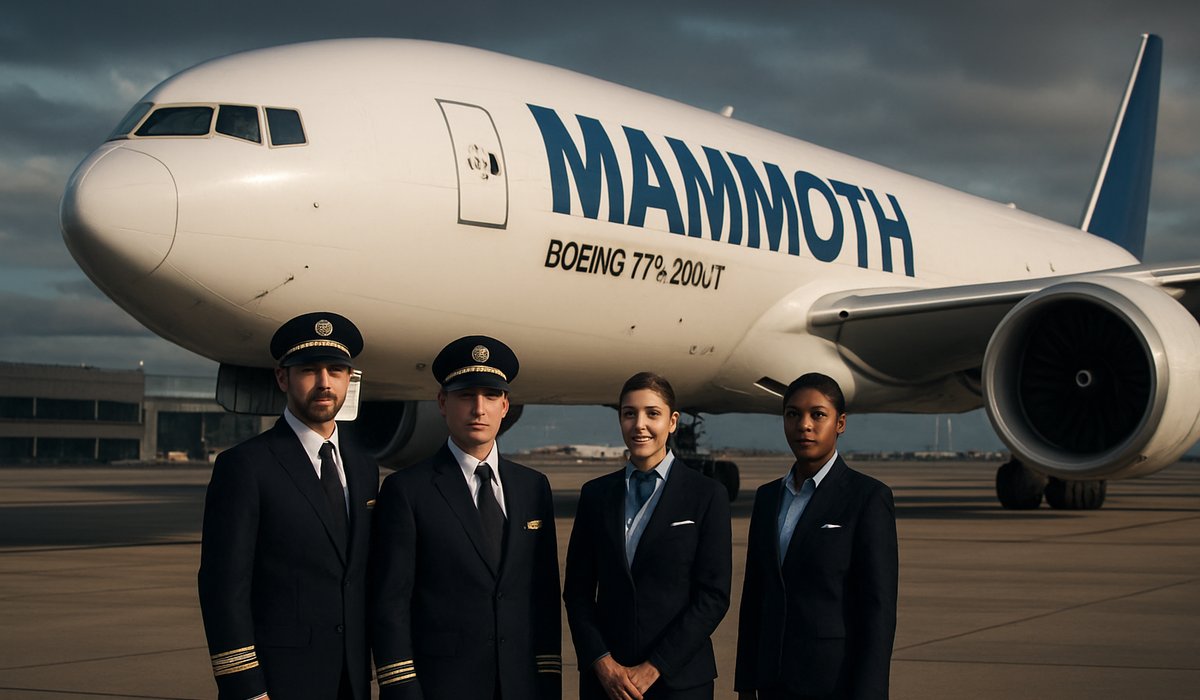
Image generated by AI
FAA Approves Historic Cargo Conversion for Boeing 777-200LR, Extending Aircraft Lifespan in Freight Market
Mammoth Freighters secures certification milestone as aging widebody jets find new life in high-demand logistics sector
Game-Changing Certification Opens New Chapter for Aging Widebodies
The Federal Aviation Administration has granted formal certification for Mammoth Freighters' cargo conversion program targeting the Boeing 777-200LR, marking a pivotal development in the aerospace aftermarket and signaling renewed economic viability for a generation of aircraft nearing retirement from passenger service.
The 777-200LR(MF) conversion represents a strategic answer to an industry challenge: what to do with specialized widebody aircraft that have become economically marginal on commercial routes but retain substantial structural integrity. Rather than facing the scrapyard, these long-range jets are being reimagined for freight operations—a sector experiencing sustained demand as e-commerce and supply chain restructuring drive logistics capacity requirements globally.
Why This Matters for the Aviation Industry
The Boeing 777-200LR occupied an exclusive market segment during its commercial heyday, deployed by a limited number of international carriers on extended ultra-long-haul routes where its exceptional fuel efficiency and range capabilities justified its premium operating costs. However, evolving aviation economics and the introduction of newer, more efficient aircraft platforms have left many of these jets underutilized in passenger configuration.
Mammoth Freighters' certification achievement addresses this transition head-on. The conversion process transforms these widebodies into dedicated cargo aircraft, optimizing them for freight operations where payload density and range capabilities command premium economics. The conversion extends aircraft lifecycles by an estimated 15-20 additional years of productive service—a significant financial advantage for cargo operators facing chronic capacity constraints.
Broader Industry Implications
The cargo conversion sector has emerged as a critical component of aviation's economic ecosystem, particularly as freight demand remains elevated due to international trade patterns and last-mile delivery pressures. This trend has accelerated post-pandemic, with operators aggressively seeking additional cargo capacity to capitalize on favorable freight rate environments.
The FAA certification validates Mammoth Freighters' engineering approach and positions the company as a key player in converting aging widebodies into revenue-generating assets. This development is likely to trigger similar conversion programs for other 777-200LR aircraft currently in operator fleets, effectively creating an additional supply of dedicated cargo capacity without requiring new aircraft manufacturing.
For aircraft manufacturers and operators, these conversions represent a pragmatic response to both economic pressures and environmental considerations—extending aircraft life through cargo conversion maximizes utilization of existing assets rather than accelerating fleet replacement cycles.
FAQ: Cargo Conversions and Aviation Economics
What is a cargo conversion for commercial aircraft? Cargo conversions involve removing passenger seating, galleys, and lavatories from retired widebody aircraft and reconfiguring the cabin for freight operations. This extends aircraft lifespan and provides operators with high-capacity cargo solutions.
Why are cargo conversions profitable in today's market? International e-commerce demand and supply chain diversification maintain strong cargo pricing power. Freighter aircraft face chronic capacity shortages, making converted widebodies economically attractive compared to new aircraft purchases.
How long can a converted 777-200LR operate in cargo service? Most cargo conversions extend aircraft operational life by 15-20 additional years, depending on maintenance schedules and structural condition. The 777-200LR's robust design makes it particularly suitable for extended freighter service.
Which airlines operate converted Boeing 777 cargo aircraft? Multiple international cargo operators, including FedEx, UPS, and specialist freighter carriers, have integrated converted widebodies into their fleets. The market continues expanding as conversion capacity increases.
How does jet fuel pricing impact cargo conversion economics? Fuel costs directly influence operating economics for all aircraft. The 777-200LR's exceptional fuel efficiency—a primary advantage during its passenger-service years—makes converted examples highly competitive in the cargo sector despite elevated energy costs.
Related Travel Guides
Disclaimer
This article is for informational and educational purposes only. It does not constitute legal, financial, or professional advice. While we strive to provide accurate and up-to-date information, travel policies, regulations, and conditions change rapidly. Always verify information with official sources before making travel decisions. Nomad Lawyer makes no representations about the accuracy, reliability, completeness, or suitability of the information provided. Readers should consult qualified professionals for advice specific to their circumstances. The views expressed in this article are those of the author and do not necessarily reflect the views of Nomad Lawyer.
Kunal K Choudhary
Co-Founder & Contributor
A passionate traveller and tech enthusiast. Kunal contributes to the vision and growth of Nomad Lawyer, bringing fresh perspectives and driving the community forward.
Learn more about our team →