
Eastar Jet Launches Daily Busan-Hong Kong Route: Direct Flights Boost South Korea’s Coastal Tourism
Eastar Jet Launches Daily Busan-Hong Kong Route: Direct Flights Boost South Korea’s Coastal Tourism. Latest travel news, updates, and expert analysis.

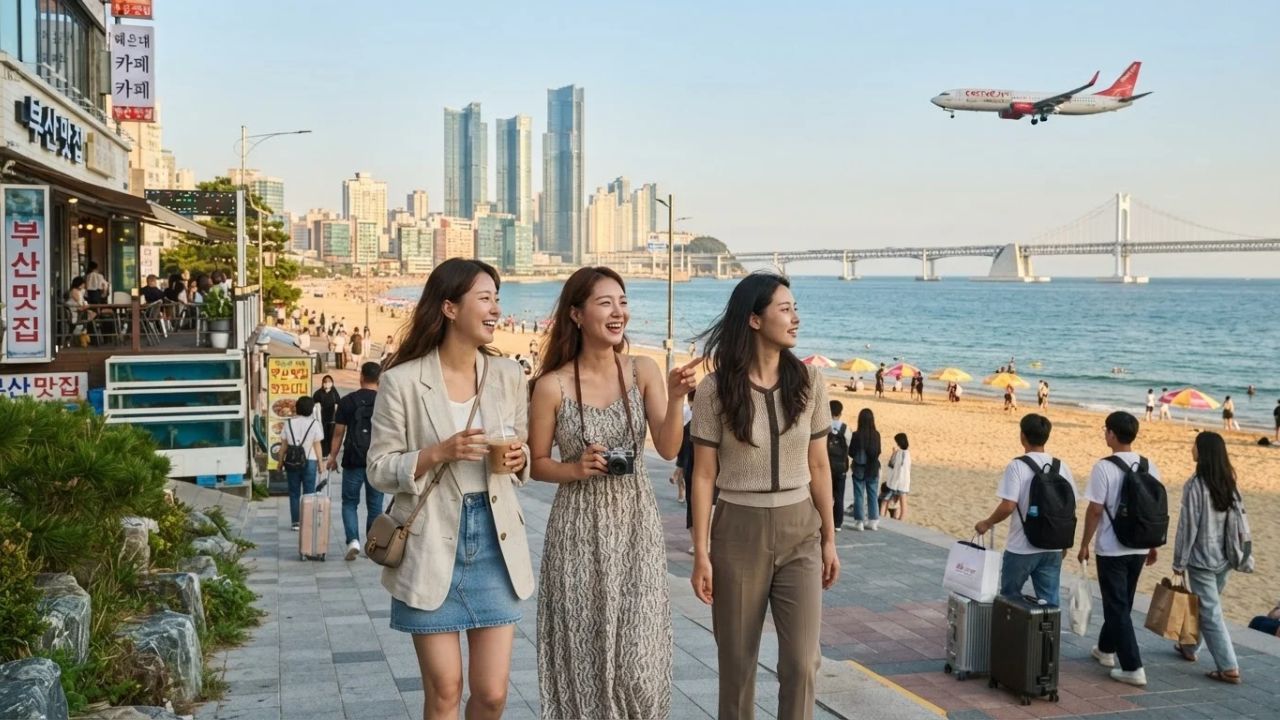
South Korean low-cost carrier Eastar Jet will launch a daily nonstop service between Busan and Hong Kong on 25 October 2026, offering seven weekly flights that connect Gimhae International Airport directly with Hong Kong International Airport. Building on the remarkable success of its Incheon–Hong Kong route inaugurated in March 2026—which achieved an average load factor of approximately 90% with foreign passengers accounting for around 90% of travelers—this direct southern corridor eliminates the necessity of transiting through Seoul, unlocking seamless access to South Korea’s vibrant maritime capital.
Operating on an evening-departure schedule tailored to maximize traveler schedules, flight departures leave Busan at 9:30 PM to land in Hong Kong at 12:10 AM the following day, with return flights departing Hong Kong at 2:00 AM to touch down in Busan at 7:05 AM. By landing travelers in southern Korea at the crack of dawn, the service creates a high-efficiency bridge for international weekenders, digital professionals, and cultural explorers eager to experience Busan’s coastal temples, cliffside art enclaves, and legendary seafood markets without losing daylight hours to domestic train transfers.
The Local Trend Revealed: Decentralizing Korean Travel Beyond the Capital Bubble
For decades, international leisure travel to South Korea centered overwhelmingly on Seoul. International visitors landed at Incheon International Airport and rarely ventured beyond the palaces, shopping districts, and K-pop attractions of the capital basin. However, travel preferences across East Asia have evolved significantly. Repeat visitors from Hong Kong, mainland China, and Southeast Asia increasingly bypass the capital to seek regional authenticity, dramatic oceanic coastlines, and distinct culinary identities.
Eastar Jet’s expansion into Gimhae International Airport reflects this decentralized aviation shift:
Plan your coastal itinerary and discover local attractions through the official Visit Busan tourism portal.
- The Second Gateway Axis: By establishing its second connection between South Korea and Hong Kong, Eastar Jet captures soaring demand for regional travel. Rather than spending 2.5 hours on the KTX bullet train or navigating crowded domestic terminal transfers at Incheon or Gimpo, travelers land directly on South Korea's southeastern coastline.
- Red-Eye Flight Optimization: The 2:00 AM departure from Hong Kong and 7:05 AM arrival into Gimhae matches a growing preference among Asian weekend holidaymakers. Travelers can complete a full workday in Hong Kong on Friday, fly overnight, and begin exploring Busan's beaches before breakfast on Saturday morning, returning on Sunday night's 9:30 PM departure.
- Regional Dispersal Hub: Landing in Busan transforms the port city into a launchpad for exploring the historical treasures of Gyeongsangnam-do, including the ancient Silla kingdom capital of Gyeongju (just 30 minutes north via high-speed rail) and the coastal island fjords of Tongyeong and Geoje.
Cultural & Environmental Value: Maritime Heritage and Community Preservation
As South Korea’s second-largest city, Busan presents a compelling counterpoint to Seoul’s frantic urban density. Framed by rugged mountain ridges that plunge into the blue waters of the Korea Strait, the city’s identity is steeped in maritime grit, resilience, and creative preservation:
Gamcheon Culture Village: From Wartime Refuge to Community Art
Clinging to the steep coastal slopes of Saha-gu, Gamcheon was founded in the 1950s by thousands of refugees fleeing the Korean War:
- Living Heritage Architecture: Known as the "Machu Picchu of Busan," the village features terraced rows of pastel-painted houses connected by labyrinthine stairways and alleys. In 2009, a community-driven public arts initiative transformed the struggling neighborhood into an open-air art district adorned with murals, sculptures, and rooftop viewing platforms.
- Community-Led Sustainable Tourism: Today, a dedicated village cooperative ensures that tourist visitation fees and map sales directly support local elder healthcare, neighborhood infrastructure improvements, and youth arts programs, preventing the displacement of resident families while celebrating their historical resilience.
Coastal Spiritual Sanctuaries: Haedong Yonggungsa
While the vast majority of Korean Buddhist temples are sequestered in secluded mountain valleys, Haedong Yonggungsa sits perched dramatically upon black granite sea cliffs overlooking the open ocean in Gijang-gun:
Check the latest flight schedules and booking options directly on the Eastar Jet official website.
- A 14th-Century Maritime Temple: Founded in 1376 during the Goryeo Dynasty by the royal teacher Naong, the temple honors Haesu Gwaneum Daebul (the Sea Goddess of Compassion).
- Respecting Sacred Coastal Sites: Devotees and visitors gather on coastal stone terraces at sunrise to listen to the rhythmic chanting of monks mingling with the roar of crashing ocean waves, providing an inspiring encounter with Korea’s maritime spiritual roots.
Visitor Insider Tips: Maximizing a Southern Korea Itinerary
Making the most of Eastar Jet’s early-morning arrival requires insider knowledge on luggage management, bathhouse recovery, and transportation:
Conquering the Red-Eye Arrival via Jjimjilbang Culture
- The 07:05 AM Spa Land Recovery Protocol: Landing at Gimhae Airport at 07:05 AM leaves several hours before traditional hotel check-in at 15:00. Head directly on the light rail and subway to Spa Land Centum City (located on the ground floor of Shinsegae Centum City). This world-class, multi-level jjimjilbang (Korean thermal bathhouse) pumps natural hot spring water from two distinct thermal underground reservoirs (sodium bicarbonate and sodium chloride springs). Unwind in outdoor soaking pools, rest in Finnish saunas and Himalayan salt rooms, and catch up on sleep in darkened relaxation lounges equipped with reclining heated loungers.
- Luggage Forwarding from the Airport: Utilize the ZimZero or Gimhae Airport luggage storage and forwarding services at International Terminal Gate 3. Forward your heavy luggage directly to your hotel in Haeundae or Seomyeon, freeing you to explore the city unencumbered.
Smart Urban Transit
- Purchase a T-Money or WOWPASS Card: Public transit in Busan is world-class. Tap your card on the Busan-Gimhae Light Rail to connect to Busan Metro Line 2 (Green Line) or Line 3 (Brown Line). Taxis in Busan are affordable, but metro lines completely bypass surface harbor traffic during peak morning and evening hours.
- Ride the Haeundae Blue Line Park: Avoid highway buses to Songjeong Beach. Book tickets online for the coastal Sky Capsule or Beach Train, which runs along a revitalized, scenic rail line suspended above the coastal cliffs between Mipo and Cheongsapo, offering magnificent ocean panoramas.
Seasonal Timing and Festival Windows
- The Autumn Sweet Spot (October and November): The launch date of 25 October aligns with Busan’s finest weather window. Daytime temperatures average a crisp, comfortable 15°C to 20°C (59°F to 68°F), clear blue skies dominate, and autumn foliage peaks around Beomeosa Temple on Mount Geumjeongsan.
- International Cultural Gatherings: October hosts the world-famous Busan International Film Festival (BIFF) at the Busan Cinema Center and the spectacular Busan Fireworks Festival along Gwangalli Beach, where illuminated suspension bridges form the backdrop for millions of fireworks.
Busan Gastronomy: Savoring Coastal Delicacies and Street Food
Busan’s cuisine was shaped by its seaport geography and the influx of wartime refugees, resulting in hearty, intensely flavorful dishes distinct from northern Korean cooking:
Stay updated on arrivals and departures by visiting the Gimhae International Airport official site.
Iconic Regional Comfort Dishes
- Authentic Dwaeji Gukbap (Pork Rice Soup): Busan’s soul food. A cloudy, rich broth simmered for hours from pork bones and aromatics, filled with tender boiled pork slices. Diners customize their steaming bowls table-side with fresh chives seasoned in sesame oil (buchu), salted baby fermented shrimp (saeujeot), crushed garlic, and spicy red pepper paste (dadaegi), served with steaming short-grain rice. Head to the historic Dwaeji Gukbap Alley in Seomyeon Market to taste bowls simmered in massive iron cauldrons.
- Busan Milmyeon (Wheat Flour Cold Noodles): Created by North Korean refugees during the 1950s who substituted readily available wheat flour for scarce buckwheat, milmyeon features chewy, chilled noodles served in an ice-cold, sweet-tangy beef and herbal broth topped with boiled pork slices, shredded cucumbers, a hard-boiled egg, and spicy chili seasoning.
- Fresh Seafood at Jagalchi Market: South Korea’s largest seafood market along Nampo-dong harbor. Wander among stalls tended by legendary Jagalchi Ajumma (resilient female fishmongers), select live flounder, sea bream, or king crab from saltwater tanks, and carry your catch to the second-floor dining hall where it is expertly sliced into sashimi (hoe) or prepared into spicy fish stew (maeuntang).
- BIFF Square Ssiat Hotteok: In Nampo-dong, join the queue for these sweet street pancakes. Fried in sweet clarified margarine until golden and crisp, the griddle cake is sliced open and stuffed to the brim with brown sugar, cinnamon, and a crunchy mixture of roasted sunflower, pumpkin, and pine seeds.
Tourism Outlook: Regional Aviation Driving Korea’s Travel Diversification
The launch of Eastar Jet’s daily Busan–Hong Kong route on 25 October 2026 marks a decisive step in South Korea’s long-term tourism diversification strategy. By establishing robust, direct aviation infrastructure outside Seoul, the country creates sustainable tourism growth that distributes economic prosperity into regional businesses, boutique seaside hotels, family-run seafood markets, and traditional artisan workshops.
For international travelers seeking a richer, more nuanced understanding of the Korean peninsula, Busan offers an irresistible blend of maritime grit, cutting-edge art, coastal natural wonders, and unforgettable comfort food. As direct regional flights bridge the gap between global metropolises and secondary destinations, the true depth of South Korea’s cultural world is finally within easy reach.
Related Travel Guides
- United Airlines Expands Global Reach: San Francisco to Sapporo Nonstop Headlines Major 2026 International Push
- Shanghai Inbound Tourism Surges Past 6.19 Million Visitors: US, UK, and Asian Travelers Fuel 30% International Growth
- Australian Travel Surges to Record 12.71 Million Departures: Bali, Japan, and New Zealand Dominate Post-Pandemic Escapes
FAQ: Eastar Jet Launches Daily Busan-Hong 2026
When does the Eastar Jet Busan-Hong Kong route begin? The daily nonstop service between Busan (Gimhae International Airport) and Hong Kong International Airport is scheduled to launch on 25 October 2026.
What are the flight times for the Busan-Hong Kong route? Flights depart Busan at 9:30 PM and arrive in Hong Kong at 12:10 AM. Return flights depart Hong Kong at 2:00 AM and land in Busan at 7:05 AM.
How does this route benefit travelers visiting South Korea? It allows travelers to bypass Seoul and the KTX train, providing direct access to the southeastern coast and nearby historical sites like Gyeongju.
Is this flight suitable for short weekend trips? Yes. The "red-eye" schedule allows Hong Kong travelers to depart Friday night and arrive in Busan Saturday morning, maximizing their sightseeing time.
Disclaimer
This article is for informational and educational purposes only. It does not constitute legal, financial, or professional advice. While we strive to provide accurate and up-to-date information, travel policies, regulations, and conditions change rapidly. Always verify information with official sources before making travel decisions. Nomad Lawyer makes no representations about the accuracy, reliability, completeness, or suitability of the information provided. Readers should consult qualified professionals for advice specific to their circumstances. The views expressed in this article are those of the author and do not necessarily reflect the views of Nomad Lawyer.
Raushan Kumar
Founder & Lead Developer
Full-stack developer with 11+ years of experience and a passionate traveller. Raushan built Nomad Lawyer from the ground up with a vision to create the best travel and law experience on the web.
Learn more about our team →