
Dubai's Luxury Hotel Crisis: Five-Star Properties Slash Rates 40-60% to Lure Residents Amid Gulf Instability in 2026
Dubai's iconic hotels are pivoting to domestic staycations as geopolitical tensions slash international arrivals. Weekend occupancy from residents reaches 70-90%, but weekday rates plummet below 30%.

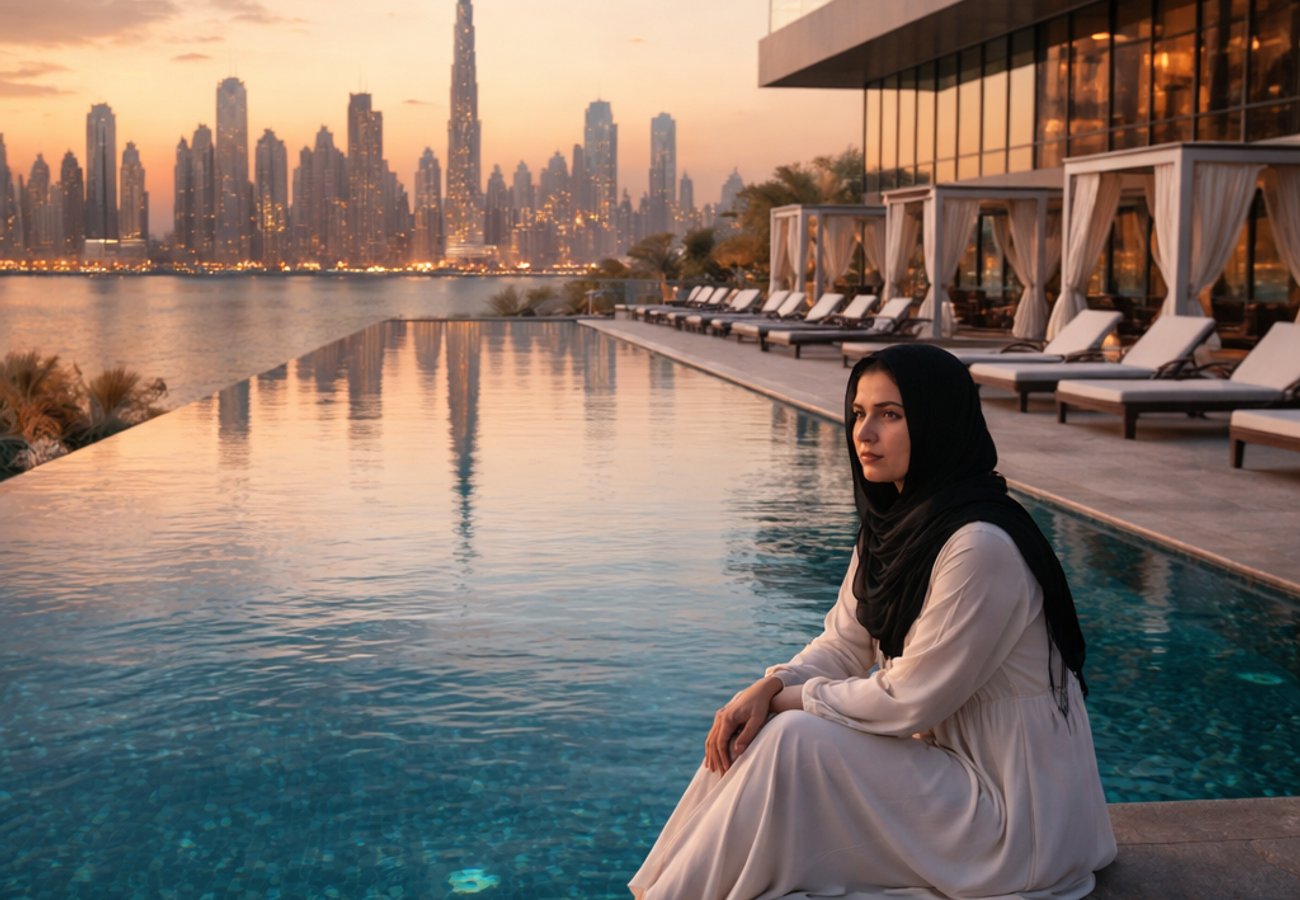
Image generated by AI
Dubai's Iconic Hotels Face the Unthinkable: A Collapse in International Demand
The emirate that once seemed recession-proof is reeling. Dubai's luxury hospitality sector — historically a powerhouse attracting over 19 million visitors annually — is now grappling with a tourism crisis that has forced its most prestigious properties into an unprecedented pivot: aggressively courting local residents with steep discounts and domestic-focused packages.
The numbers tell a sobering story. International bookings have cratered. Weekday occupancy at premium properties has plunged below 30 percent. Even the weekend surge from local guests — reaching 70 to 90 percent occupancy — cannot mask the fundamental fracture in Dubai's tourism model.
Reddit: "Dubai felt invincible. Now you can book a five-star resort for staycation prices. Something serious shifted." — r/travel
The Perfect Storm: Geopolitical Tensions Meet Record Supply
Dubai's tourism infrastructure remains vast: over 800 hotels dotting the skyline, with more than 170 five-star properties offering over 154,000 rooms. This supply was built for a world where global wealth flowed freely into the emirate. That world no longer exists — at least not in 2026.
Geopolitical tensions across the Gulf region have fundamentally altered traveler psychology. Families who once booked annual Dubai holidays are reconsidering. Corporate travel has contracted. Tour operators are redirecting bookings elsewhere. The result: empty rooms, eroded revenue, and hotel chains scrambling to fill beds however they can.
The math is brutal. A one-to-two-night staycation generates far less revenue than a five-to-seven-night international stay. Residents spend less on dining, shopping, and ancillary services. Yet these packages now represent the primary revenue defense for Dubai's luxury sector.
The Staycation Gambit: Can Domestic Demand Save the Industry?
Hotel operators have weaponized the weekend. Palm Jumeirah properties and waterfront resorts now aggressively market curated staycation packages: spa experiences, inclusive dining, weekend discounts that would have been unthinkable two years ago. These aren't budget offerings — they're stripped-down versions of premium experiences, priced for local middle-class and expatriate consumption.
The response has been measurable. Weekend bookings from residents and expatriates have surged, providing short-term cash flow relief. But the weakness is evident: midweek stays remain chronically vacant, and hotels cannot sustain operations on weekends alone.
Industry analysts are blunt about the limitation. Resident-based demand, while vital for survival, fundamentally cannot replace the economic contribution of international tourism. Global travelers stay longer, spend more per night, and stimulate entire ecosystems of restaurants, retail, and entertainment venues. Domestic guests, by necessity, are more price-conscious and shorter-stay.
The Occupancy Nightmare: When Weekdays Become Radioactive
Let's be direct about the crisis. Some luxury properties are reporting occupancy rates falling below 30 percent on weekdays. Think about that statistic: a five-star hotel with 300 rooms is hosting fewer than 90 guests on a Tuesday night.
This forces brutal operational decisions. Do you cut staff? Reduce services? Close entire floors? Each option carries reputational risk. Dubai's hospitality brand has always been built on consistency and premium service. Downgrades are dangerous when recovery depends on traveler confidence.
Hotels are responding with dynamic pricing and flexible booking policies designed to signal flexibility without appearing desperate. Transparent terms, value-focused packages, and premium service experiences aim to maintain brand dignity while courting price-sensitive domestic guests.
Regional Stability: The Unspoken Elephant
The article mentions "regional instability" repeatedly, but the implication is clear: travelers from key markets (Asia, Europe, North America) have reassessed the risk-reward of Gulf travel in 2026. This isn't just about occupancy — it's about psychological perception.
According to IATA analysis on Middle Eastern travel patterns, regional security perceptions directly correlate with booking confidence. Even when destinations remain operationally safe, traveler hesitation cuts deeper than any actual security incident.
Dubai's government maintains robust safety and operational standards. Hotels, resorts, shopping centers, and cultural attractions remain open and fully functional. Yet perception often trumps reality in travel decision-making.
What Recovery Actually Looks Like
Long-term sustainability requires a fundamental shift: restored inbound tourism from priority markets. Dubai's competitive position rests on infrastructure investment, world-class attractions, mega-events and high-profile exhibitions, and year-round entertainment offerings. These assets remain intact.
But hotels face an uncomfortable timeline problem. Staycations provide bridge-period revenue, but they're not a strategy — they're triage. The emirate needs geopolitical conditions to improve and international traveler confidence to return.
The industry's resilience is evident in its adaptability. Engaging residents allows properties to remain operational, retain staff, and preserve service quality during demand collapse. But this is a holding pattern, not a solution.
The Larger Industry Lesson
Dubai's 2026 crisis illustrates an underappreciated vulnerability in global tourism: the fragility of demand when perception shifts. A destination with 19 million annual arrivals can pivot quickly to single-digit occupancy on weekdays. Infrastructure and brand reputation provide limited protection when macroeconomic and geopolitical headwinds intensify.
Hotels are managing this moment with flexibility and operational creativity. The question is whether international recovery arrives before domestic demand alone becomes unsustainable.
The luxury hospitality sector survives on certainty. Dubai's 2026 tells a story of that certainty cracking.
Related Travel Guides
Disclaimer
This article is for informational and educational purposes only. It does not constitute legal, financial, or professional advice. While we strive to provide accurate and up-to-date information, travel policies, regulations, and conditions change rapidly. Always verify information with official sources before making travel decisions. Nomad Lawyer makes no representations about the accuracy, reliability, completeness, or suitability of the information provided. Readers should consult qualified professionals for advice specific to their circumstances. The views expressed in this article are those of the author and do not necessarily reflect the views of Nomad Lawyer.
Preeti Gunjan
Contributor & Community Manager
A passionate traveller and community builder. Preeti helps grow the Nomad Lawyer community, fostering engagement and bringing the reader experience to life.
Learn more about our team →