
Terminal Surge: Dubai Airport Prepares for 3.7 Million Returning Travelers
Dubai International Airport (DXB) is preparing for 3.7 million returning travelers, with daily traffic projected to reach 222,000 passengers.

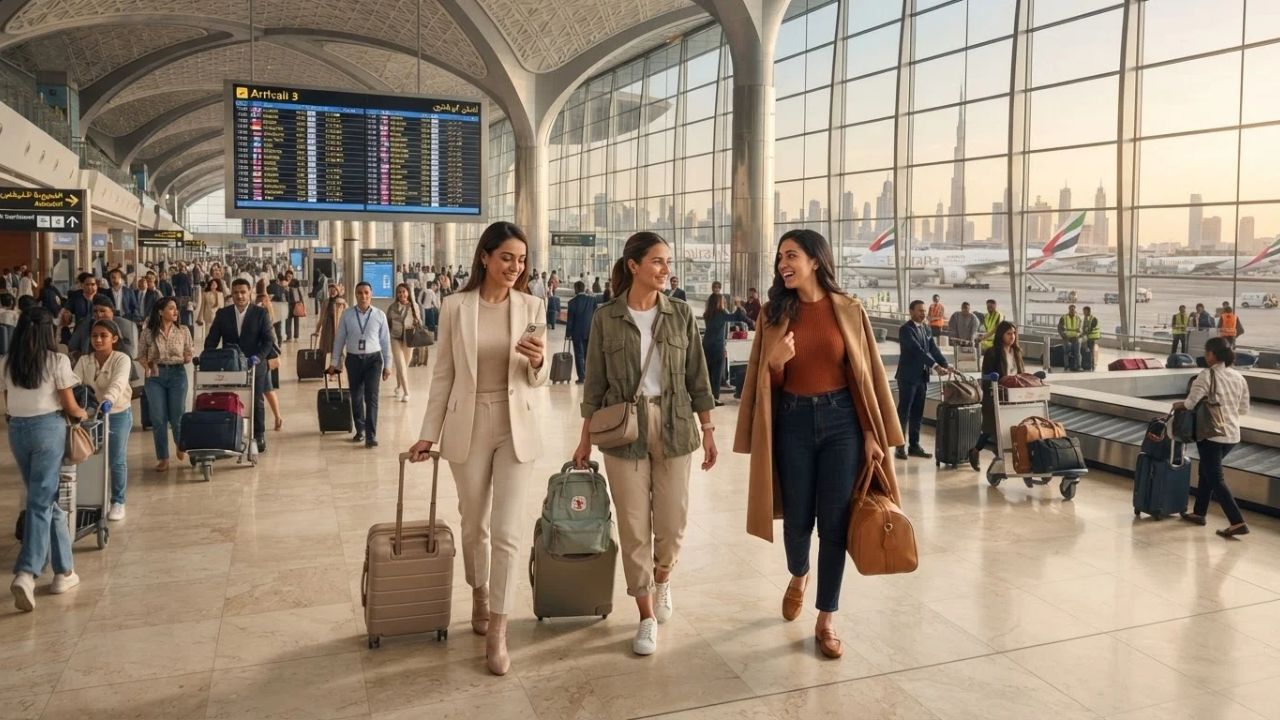
Image generated by AI
Dubai International Airport is preparing for a post-summer influx of 3.7 million return travelers, with daily passenger volumes projected to reach approximately 222,000. Transit passengers are expected to represent about 46 percent of the total traffic, putting significant pressure on terminal infrastructure.
Capacity Synchronization During Peak Travel Windows
A significant trend in airport management is the implementation of terminal-wide capacity synchronization. As global aviation hubs expand, peak travel periods—like the late August return after school breaks—concentrate passenger volumes into short, high-stress windows. Managing these influxes requires shifting operational attention from basic runway movements to ground transportation, road access, and baggage reclaim coordination.
By optimizing terminals to manage large daily passenger volumes, airports aim to maintain smooth passenger experiences and prevent local ground delays from spreading to air schedules.
Concentrated Demand and the Transit Passenger Share
The post-summer return period is one of the busiest times for the region's aviation sector, with concentrated demand across arrival and transit facilities:
- Total Passenger Influx: Up to 3.7 million travelers are expected to move through the airport during the summer return period.
- Average Daily Traffic: Daily passenger volume is forecast to reach approximately 222,000 during the busiest weeks.
- Transit Share: Transit travelers are expected to represent about 46 percent of the total traffic.
- Global Connection Hub: The high transit percentage highlights the airport's role in linking passengers across Europe, Asia, Africa, the Middle East, and other international markets.
This scale of movement means that passenger volumes will remain high throughout the day, increasing demand for terminal services.
Operational Focus Areas: Baggage and Ground Transit
Airport teams are preparing for the surge by monitoring operations across the passenger journey:
- Baggage Reclaim: Returning holidaymakers travel with larger amounts of luggage, placing pressure on handling and reclaim systems.
- Ground Transportation: Coordinating taxi queues, metro services, and terminal road access is essential to prevent congestion from spreading beyond the arrivals hall.
- Operational Flexibility: Teams coordinate to adjust their response as arrival waves change or unexpected flight schedule changes occur.
- Passenger Processing: Managing check-in areas, security check lanes, and immigration counters helps reduce waiting times.
These measures ensure that passengers can move from the aircraft to baggage collection and onward transport.
Dubai International Airport Summer Return Metrics
The table below breaks down the total return volumes, daily traffic averages, transit shares, and primary focus areas for the airport's peak-period operations:
| Travel Period Metric | Summer Return Rush Coordinates | Operational Focus Areas | Connecting Region Links | Target Daily Capacity |
|---|---|---|---|---|
| Total Influx | 3.7 million passengers | Arrivals, check-in & immigration | Europe, Asia & Africa | ~222,000 passengers |
| Daily Traffic | Approximately 222,000 | Baggage reclaim & luggage handling | Middle East transit markets | Smooth passenger flow |
| Transit Share | About 46% of total | Taxis, metro & road access | Global international centers | Minimized waiting times |
These coordinates outline the passenger volumes, transit percentages, and ground logistics established for the summer return period.
Environmental Considerations and Public Transit
For the traveler, the real benefit of utilizing the Dubai Metro instead of private road transport is the reduction in carbon emissions. The electric rail link connects directly to terminals, bypassing airport access road congestion.
Additionally, using automated immigration gates (Smart Gates) cuts terminal processing time and lowers energy consumption. Coordinating passenger flows prevents aircraft from idling on taxiways, reducing fuel burn and emissions at the terminal.
For example, you can explore the changing dynamics of Airspace Strains: Flight Delays and Cancellations Affect Middle East Hubs to see how regional disruptions develop. For budget-conscious travelers, checking regional flight guides mirrors similar capacity shifts, such as the Vietjet Colombo Ho Chi Minh City Direct Flights updates. This trend is similar to the tourism growth seen in other destinations, as detailed in our guide on how Utica, New York Emerges as an Affordable Northeast Tourism Hub.
Visitor Insider Tips: Navigating DXB During the Surge
If you are planning to travel through Dubai International Airport during this peak period, keep these practical tips in mind:
- Use the Dubai Metro: Connect directly to Terminal 1 or Terminal 3 via the metro to avoid traffic delays on airport access roads.
- Register for Smart Gates: If you are a UAE resident or eligible tourist, use the automated Smart Gates to complete passport control in seconds.
- Monitor Flight Status Remotely: Check flight details on your airline's app before leaving for the airport to confirm schedules.
- Allow Extra Terminal Time: Arrive earlier than usual to navigate busy check-in desks and security screening checkpoints.
- Check Luggage Allowances: Ensure your baggage meets airline dimensions to prevent delays at baggage drop and reclaim counters.
Long-Term Outlook for Hub Airport Logistics
The long-term outlook for Dubai International Airport is focused on upgrading automated baggage systems, expanding smart immigration lanes, and integrating regional rail networks. As passenger volumes grow, airport authorities will rely on terminal automation to manage capacity.
By investing in ground infrastructure and supporting public transport links, the airport aims to maintain its position as a global aviation gateway.
FAQ
How many passengers are expected during the post-summer return period?
Dubai International Airport is projected to welcome up to 3.7 million returning travelers during the summer rush.
What is the projected daily passenger traffic?
Average daily traffic is forecast to reach approximately 222,000 passengers during the busiest part of the travel period.
What percentage of travelers are transit passengers?
Transit passengers represent about 46 percent of the total projected traffic at DXB.
What terminal facilities are the main focus for airport staff?
Staff are focusing on arrivals processing, baggage reclaim areas, and ground transportation links.
Stay updated on the terminal conditions and airport plans shaping Dubai travel.
Related Travel Guides
- Amsterdam, Venice, Barcelona Join Europe's Historic Hotel Bans and Rental Crackdown in 2026
- US Air Travel Chaos 2026: 1,657 Flight Cancellations and 3,425 Delays Hit New York and Chicago Hubs
- Peru Expands High Andes Aviation Network: New Huaraz and Chinchero Gateways Transform Adventure Tourism 2026
Disclaimer
This article is for informational and educational purposes only. It does not constitute legal, financial, or professional advice. While we strive to provide accurate and up-to-date information, travel policies, regulations, and conditions change rapidly. Always verify information with official sources before making travel decisions. Nomad Lawyer makes no representations about the accuracy, reliability, completeness, or suitability of the information provided. Readers should consult qualified professionals for advice specific to their circumstances. The views expressed in this article are those of the author and do not necessarily reflect the views of Nomad Lawyer.
Raushan Kumar
Founder & Lead Developer
Full-stack developer with 11+ years of experience and a passionate traveller. Raushan built Nomad Lawyer from the ground up with a vision to create the best travel and law experience on the web.
Learn more about our team →