
Dubai International Airport Disruptions: 158 Flight Delays Affect Emirates and FlyDubai Global Networks in 2026
Operational instability at Dubai International Airport has triggered 158 delays and 10 cancellations, impacting Emirates and FlyDubai flights across the US, Europe, and Asia.

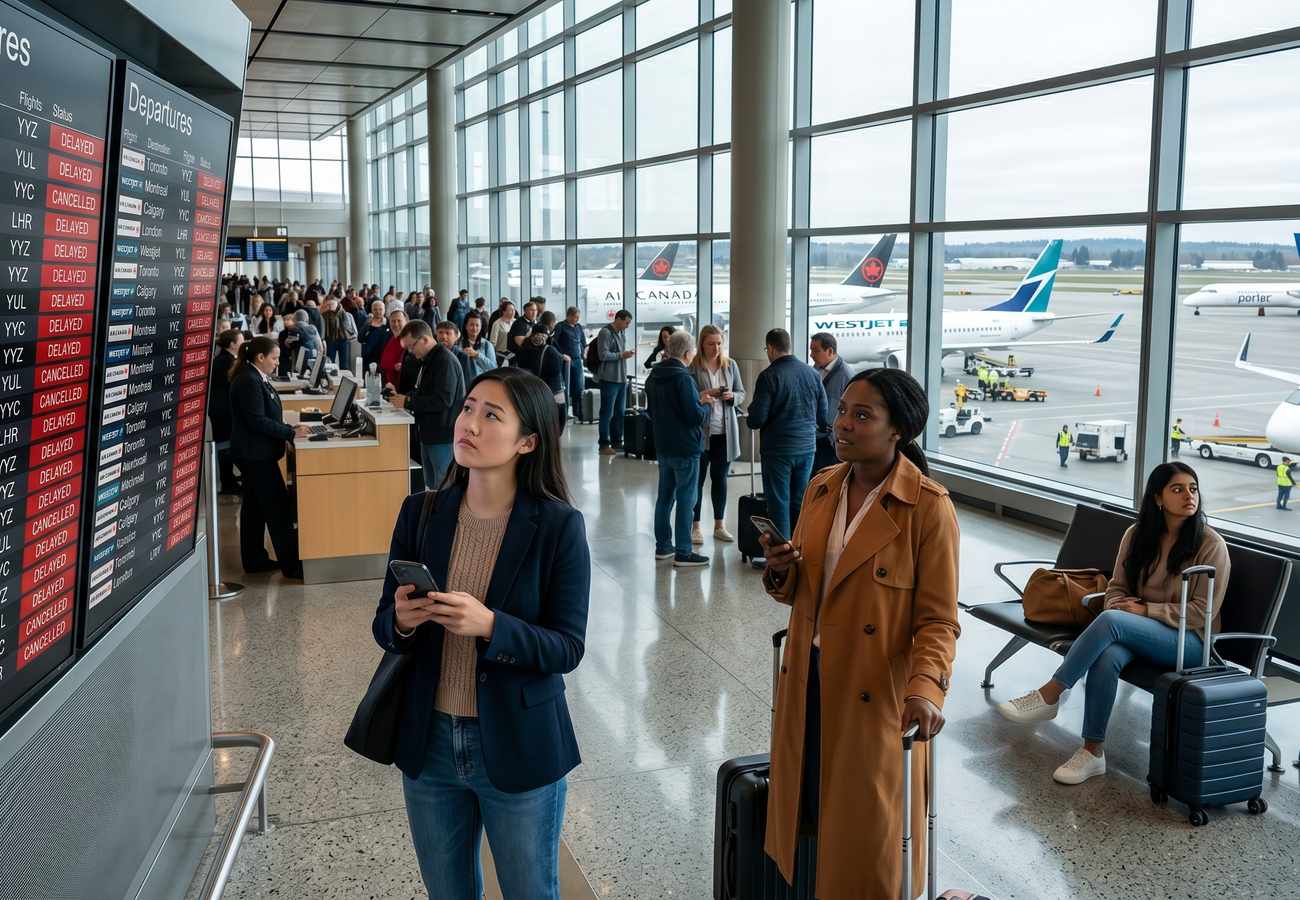
Image generated by AI
Dubai International Airport (DXB) is currently managing a surge of operational instability, with 158 flight delays and 10 cancellations creating a ripple effect across the global aviation network. As one of the world's primary transit hubs, the disruption at DXB has immediate consequences for passengers traveling between the Middle East, North America, Europe, and Asia.
The volatility is primarily centered on the airport's two largest home-based carriers, Emirates and FlyDubai. While the number of outright cancellations remains low, the high volume of delays has triggered a cascade of missed connections and scheduling conflicts for thousands of international travelers.
Global Network Impact and Affected Hubs
The geographic reach of these disruptions is extensive, illustrating how a localized bottleneck in Dubai can destabilize long-haul corridors. The operational fallout has extended to major cities and regional hubs across six continents.
Key affected regions include:
- North America: Major hubs including Dallas, Los Angeles, Chicago, and Seattle.
- Europe: Connectivity issues affecting London (Heathrow, Birmingham, Manchester, Newcastle), Amsterdam, Paris, Zurich, Vienna, and Copenhagen.
- Middle East & Gulf: Significant impact on flights to Kuwait, Saudi Arabia (Riyadh, Jeddah, Dammam), Bahrain, and Muscat.
- Asia & Oceania: Disruptions reaching Mumbai, Delhi, Singapore, Hong Kong, Tokyo, Bali, and Brisbane.
- Africa: Impacted routes to Addis Ababa, Nairobi, Cairo, Casablanca, and Johannesburg.
This widespread disruption highlights the systemic vulnerability of "hub-and-spoke" aviation models, where a delay in the central hub creates a domino effect for all connecting spokes.
Carrier Performance Breakdown
The operational data reveals a stark difference in how the two primary carriers are being affected. FlyDubai has seen a higher percentage of its schedule disrupted by delays compared to the full-service giant, Emirates.
Operational Disruption Summary
| Airline | Cancelled Flights | Delayed Flights |
|---|---|---|
| FlyDubai | 6 | 94 |
| Emirates | 4 | 64 |
FlyDubai recorded a 33% delay rate, marking it as the most affected carrier by volume. While Emirates maintained a cancellation rate below 1%, 14% of its listed operations faced delays, contributing to significant passenger congestion at the terminals.
Navigating Flight Disruptions: Passenger Rights and Recovery
For travelers caught in this operational gridlock, the priority is maintaining communication and understanding legal entitlements. Because DXB serves as a gateway to various jurisdictions, passenger rights may vary based on the airline's origin and the destination's regulations.
Immediate Steps for Affected Passengers:
- Digital Monitoring: Prioritize the airline's official app and email notifications over airport departure boards, which can sometimes lag behind real-time updates.
- Communication Channels: Use online chat systems or social media direct messaging to reach customer service, as physical queues at airport service desks often become overwhelmed during these events.
- Alternative Routing: If a connection is missed, request the airline to explore "interlining" options—booking you on a partner airline or a competitor to reach your destination faster.
Understanding Compensation: Passengers should be aware of regional protections. For example, those on flights departing from the EU or arriving in the EU on an EU-based carrier may be entitled to compensation under EC 261/2004, depending on the cause of the delay. Travelers should document all expenses related to the disruption, including meals and accommodation, to facilitate future claims.
Travelers are urged to allow additional time for security and check-in procedures as the airport works to clear the backlog of delayed departures.
Related Travel Guides
Disclaimer
This article is for informational and educational purposes only. It does not constitute legal, financial, or professional advice. While we strive to provide accurate and up-to-date information, travel policies, regulations, and conditions change rapidly. Always verify information with official sources before making travel decisions. Nomad Lawyer makes no representations about the accuracy, reliability, completeness, or suitability of the information provided. Readers should consult qualified professionals for advice specific to their circumstances. The views expressed in this article are those of the author and do not necessarily reflect the views of Nomad Lawyer.
Raushan Kumar
Founder & Lead Developer
Full-stack developer with 11+ years of experience and a passionate traveller. Raushan built Nomad Lawyer from the ground up with a vision to create the best travel and law experience on the web.
Learn more about our team →