
Boeing 747 Never Supposed To Be Passenger Aircraft: Cargo Origins Revealed
The Boeing 747, aviation's most iconic widebody jet, was originally engineered as a cargo freighter before becoming the world's premier passenger aircraft in 1970.

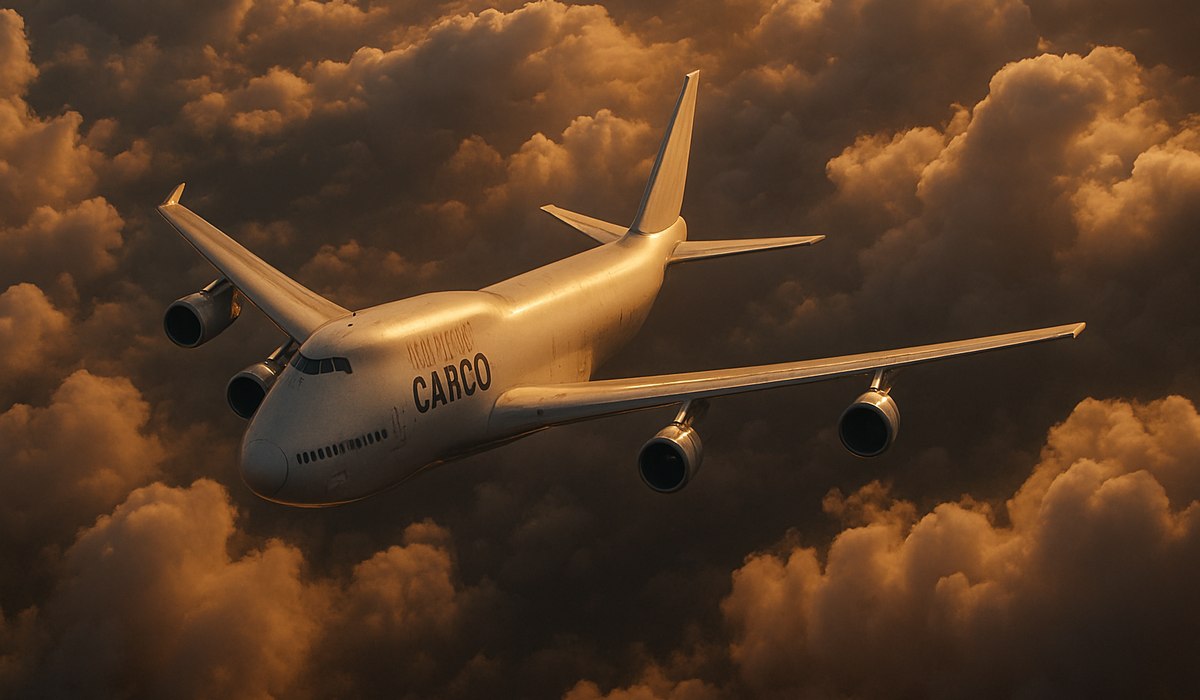
Image generated by AI
The Aviation Secret: Boeing's Jumbo Jet Started as Freight Hauler
The Boeing 747, aviation's most legendary widebody aircraft, carries a surprising historical truth that few travelers know. What passengers celebrated as the first true jumbo jet was originally designed for cargo operations, not commercial air travel. The aircraft entered service with Pan Am on January 22, 1970, nearly a year after its maiden flight on February 9, 1969. This architectural decision to build for freight fundamentally shaped the aircraft's revolutionary double-deck fuselage and massive cargo capacity that would later transform long-haul passenger travel globally. Since introduction, over 1,570 aircraft have been delivered worldwide, yet its original engineering specifications for cargo remain embedded in every aspect of the design.
The 747's Hidden Original Purpose
The Boeing 747's development emerged from a specific cargo industry requirement in the 1960s. Airlines required an aircraft capable of transporting heavy freight loads across continents without intermediate stops. Traditional narrow-body freighters couldn't accommodate oversized cargo or meet growing demand for efficient freight transport. Boeing engineers designed the 747 with a distinctive upper deck profile—not primarily for first-class passenger lounges, but to accommodate cargo loading mechanisms and maximize internal volume.
The aircraft's enormous fuselage diameter and load-bearing capacity reflected cargo specifications. Freight operators needed flexible internal configurations allowing rapid loading of palletized goods. The main deck could be reconfigured instantly, with removable seats enabling maximum cargo stowage. This freight-first engineering explains why the 747 features reinforced flooring, overhead cargo handling systems, and a structural design that prioritizes weight distribution over comfort. Modern freighter variants still use these cargo-optimized configurations, proving the original engineering vision's durability and foresight.
From Cargo Design to Passenger Service
Pan American Airways recognized the 747's commercial potential beyond freight operations. The airline envisioned the massive fuselage carrying hundreds of passengers across the Atlantic—a concept previously impossible with existing aircraft. Rather than redesign the aircraft, Boeing leveraged the already-approved cargo framework for passenger seating. The double-deck configuration suddenly became an asset for premium cabins, featuring exclusive upper-deck seating that became synonymous with luxury long-haul travel.
This transition proved revolutionary. Airlines could seat 366 to 524 passengers depending on configuration, compared to 139 in the Boeing 707 it replaced. The aircraft's cargo-derived volume meant unprecedented baggage capacity underneath, addressing a previously intractable passenger service problem. Travelers experienced spacious cabins with room to move—a direct benefit of freight engineering priorities. The structural strength designed for heavy cargo meant smooth flight characteristics even fully loaded with humans. What was engineered as a burden became an unexpected blessing for the traveling public.
How Freighter Specifications Shaped the Jumbo Jet
Every physical characteristic of the 747 traces directly to cargo requirements. The aircraft's four-engine configuration provided the thrust needed for maximum payload capacity—essential for freight operations across long distances. The landing gear design was engineered for distributed weight loading typical of fully-loaded cargo pallets. The cargo-door on freighter variants remains a distinctive feature, positioned as specified in original engineering blueprints.
The nose design particularly reflects freight origins. Early Boeing 747 freighters feature a hinged nose section allowing direct cargo access—a specification that influenced the entire forward fuselage geometry. Passenger variants retained these design proportions even without a cargo door, carrying the structural heritage forward. The aircraft's height advantage over competing jets wasn't accidental; elevated fuselage positioning accommodated cargo handling equipment and loading ramps. Interior cabin width exceeded passenger aircraft norms because cargo containers required specific dimensions. Overhead bins, crew rest areas, and galley placements all inherited positions from original cargo-loading schemes.
This engineering inheritance extended to maintenance procedures. Freighter-originated inspection protocols established industry standards still followed today. Cargo-focused structural analysis meant the 747 possessed exceptional longevity—many aircraft remain operational after 30+ years, defying typical commercial jet lifecycles. The Aircraft Commerce database documents numerous 747s still flying charter and cargo routes after passenger retirement, a testament to robust freight-engineering fundamentals.
Legacy: Passenger Icon Born From Freight Engineering
The Boeing 747 retired from most passenger services beginning in 2023, yet its cargo heritage ensures continued relevance. Modern cargo operators depend on 747 freighters for transpacific shipping, Middle Eastern logistics, and emergency relief operations. Major carriers like Lufthansa Cargo, FedEx, and UPS operate dedicated 747 freighter fleets exclusively—returning the aircraft to its original purpose after decades in passenger service.
This circular history demonstrates brilliant engineering foresight. Boeing created an aircraft flexible enough to serve two radically different markets without fundamental redesign. The 747's ability to transition from passenger to cargo service reflects cargo-first design principles that transcended their original application. Travelers benefited from engineering specifications intended for pallets, experiencing unprecedented comfort in an airframe optimized for structural integrity and volume.
The aircraft's cultural impact—the "Jumbo Jet" nickname, distinctive silhouette, upper-deck prestige—obscures its utilitarian origins. Yet every innovation attributed to passenger comfort emerged from cargo engineering requirements. The 747 proved that freight-focused design could deliver superior passenger experiences when coupled with appropriate cabin finishing and service standards.
Key Data Table: Boeing 747 Development and Deployment
| Specification | Detail | Impact |
|---|---|---|
| First Flight Date | February 9, 1969 | Foundation of widebody jet era |
| Pan Am Service Entry | January 22, 1970 | Commercial aviation revolution begins |
| Original Design Purpose | Cargo/Freight Operations | Determined fuselage dimensions and structure |
| Fuselage Diameter | 6.5 meters (21.3 feet) | Largest of era—designed for cargo containers |
| Upper Deck Function | Originally Cargo Access | Repurposed for premium passenger seating |
| Total Aircraft Delivered | 1,573 units (as of 2026) | Longest production run for widebody jet |
| Maximum Payload Capacity | 140,000+ kg | Reflects freight engineering specifications |
| Typical Passenger Configuration | 366-524 seats | Enabled by spacious cargo-derived fuselage |
| Freighter Variants Active | 400+ aircraft | Continue primary cargo mission globally |
| Operational Lifespan | 30+ years average | Exceeds industry norms due to robust structure |
What This Means for Travelers
Understanding the 747's cargo origins provides valuable context for modern air travel decisions and aviation appreciation:
-
Spacious Cabin Heritage: Historical 747 passenger flights offered notably more legroom and standing room than competing aircraft. This reflected cargo-focused fuselage proportions never compressed for efficiency. Today's premium cabin experiences owe direct debt to freight engineering priorities.
-
Reliability Insights: The 747's extended service life and exceptional safety record resulted from cargo-engineering standards exceeding passenger requirements. Aircraft stress calculations assumed heavier loads than typical passenger weights, providing structural safety margins competitors lacked.
-
Cargo Shipping Connections: Frequent international travelers may unknowingly benefit from 747 cargo flights. E-commerce packages, emergency supplies, and time-sensitive freight share flight paths with passenger aircraft, supported by dedicated 747 freighter operations ensuring last-mile delivery reliability.
-
Nostalgia and Investment Value: Recognizing the 747's revolutionary role in both cargo and passenger aviation enhances travel experiences. Collectors and aviation enthusiasts increasingly value 747 flights as cultural artifacts, driving boutique charter operations preserving passenger variants.
-
Future Aircraft Design Implications: Modern widebody development still references 747 cargo-engineering principles. Understanding these foundational standards helps travelers evaluate newer aircraft comfort claims against established benchmarks.
FAQ: Boeing 747 Cargo Origins
Q: Why was the 747 originally designed as a cargo aircraft instead of a passenger jet?
Disclaimer
This article is for informational and educational purposes only. It does not constitute legal, financial, or professional advice. While we strive to provide accurate and up-to-date information, travel policies, regulations, and conditions change rapidly. Always verify information with official sources before making travel decisions. Nomad Lawyer makes no representations about the accuracy, reliability, completeness, or suitability of the information provided. Readers should consult qualified professionals for advice specific to their circumstances. The views expressed in this article are those of the author and do not necessarily reflect the views of Nomad Lawyer.
Preeti Gunjan
Contributor & Community Manager
A passionate traveller and community builder. Preeti helps grow the Nomad Lawyer community, fostering engagement and bringing the reader experience to life.
Learn more about our team →