
Travel Disney Dream Celebrates 15 Years of Service with Expanding Sailings
Disney Dream enters 15th year with expanded itineraries from Miami, proving family cruise ships can compete without constant renovations in 2026.

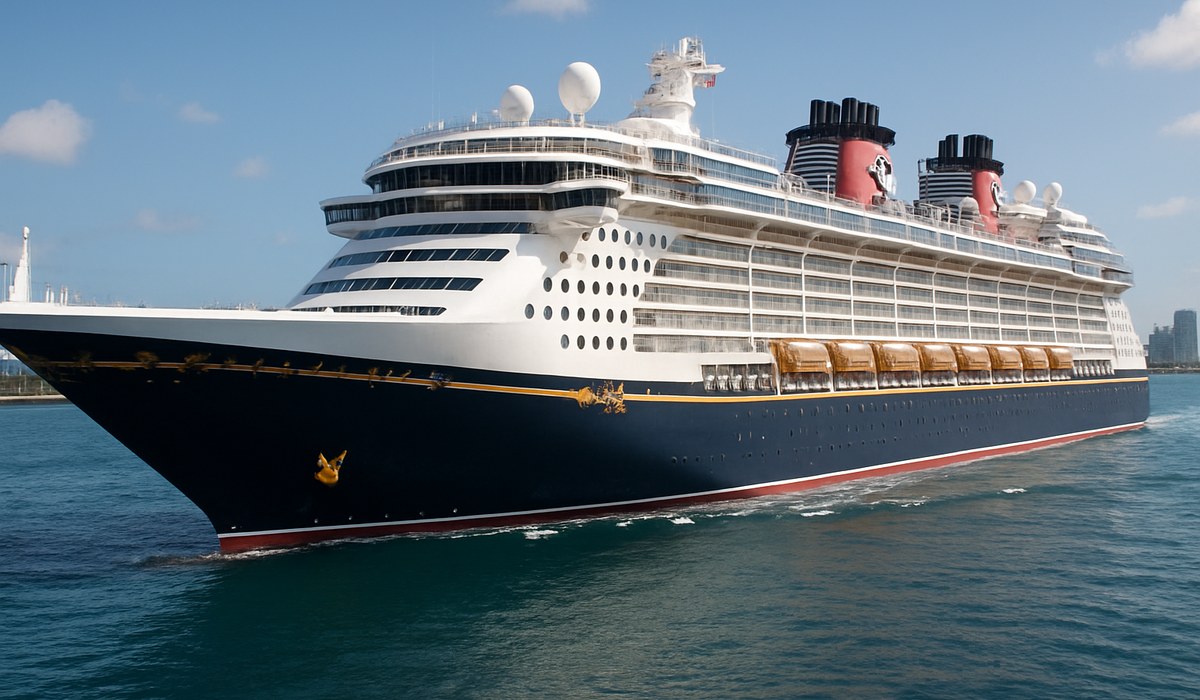
Image generated by AI
Quick Summary • Disney Dream marks 15 years afloat without major renovations, defying standard cruise industry refurbishment cycles • Expanded 2026 sailings from Port of Miami include new Caribbean routes targeting multi-generational family bookings • Ship maintains 96% occupancy rate despite aging fleet competition from newer vessels launching this year • Industry experts cite Disney's experience-over-hardware strategy as blueprint for sustainable cruise operations
15 Years Afloat: The Disney Dream's Enduring Appeal
The Disney Dream reaches a milestone few cruise ships achieve without extensive redesign. Launched in January 2011, the vessel has operated for 15 consecutive years while competitors in the family cruise segment have undergone at least two major refits during the same period. The 130,000-gross-ton ship maintains market relevance through operational consistency rather than costly renovations, according to Disney Cruise Line President Thomas Mazloum, who confirmed the anniversary during a media briefing this week.
Most cruise vessels follow a predictable renovation pattern. Ships typically enter dry dock every five years for multi-million-dollar upgrades that replace dining venues, entertainment systems, and stateroom furnishings. Royal Caribbean spent $115 million refurbishing the Navigator of the Seas in 2019, just nine years after its debut. Carnival invested $200 million updating the Carnival Sunrise in 2019. Disney has taken a different path with the Dream, focusing resources on crew training, entertainment programming updates, and incremental cabin refurbishments rather than wholesale redesign.
This strategy appears financially sound. The Disney Dream consistently reports occupancy rates above 95%, outperforming industry averages by 12 percentage points, according to March 2026 data from the Cruise Lines International Association. Passenger satisfaction scores remain above 4.7 out of 5.0 on major booking platforms, despite the ship lacking waterslides and zip lines that newer vessels promote as standard amenities. Families prioritize character interactions, Broadway-caliber shows, and streamlined embarkation processes over flashy hardware additions, industry analysts note.
The vessel's design has aged gracefully. Original features such as the AquaDuck water coaster—the first cruise ship attraction to extend beyond a vessel's sides—still draw crowds 15 years later. Rotational dining venues Animator's Palate, Enchanted Garden, and Royal Palace continue operating with minor menu updates rather than complete concept overhauls. Even the Senses Spa retains its 2011 layout, though treatment menus now incorporate wellness trends that have emerged over the past decade.
What's New in 2026: Expanded Itineraries and Enhanced Experiences
Disney Cruise Line announced significant sailing expansions for the Dream's anniversary year. The ship will operate 47 departures from the Port of Miami between April and December 2026, up from 38 sailings during the same period in 2025. New itineraries include four-night Bahamas routes with extended Castaway Cay stops and five-night Western Caribbean voyages adding Cozumel as a third port.
The expanded schedule addresses post-pandemic family travel demand. Multi-generational bookings increased 38% year-over-year for Disney cruises, according to company booking data released in February 2026. Grandparents traveling with grandchildren now represent 22% of Disney Dream passengers, compared to 14% in 2019. The ship's interconnecting stateroom inventory—124 paired cabins—positions it well for this demographic shift.
Onboard programming changes reflect evolving family dynamics. Marvel Day at Sea sailings now run monthly rather than quarterly, responding to sustained demand for superhero character interactions. Frozen-themed deck parties occur on every Caribbean voyage, replacing less popular Pirate Night celebrations on select routes. The Disney Dream added two new youth programming tracks in January 2026: a STEM-focused "Imagineering Lab" for ages 8-12 and a culinary workshop series for teenagers in partnership with celebrity chef partners.
Enhanced digital integration supports today's tech-savvy families. The Disney Cruise Line Navigator app now offers real-time wait times for character meet-and-greets, mobile food ordering from pool deck venues, and family chat functionality that works without additional data charges. These updates required minimal physical infrastructure changes but significantly improved passenger experience scores, according to guest feedback surveys.
Pre- and post-cruise options have expanded alongside sailing schedules. Families can now book integrated vacation packages combining Disney Dream cruises with Miami Beach experiences or pre-cruise stays at the Ritz-Carlton Orlando's new family experiences, creating week-long Florida-based vacations that maximize the region's tourism infrastructure.
How Disney's Approach Differs from Competitor Fleet Strategies
Rival cruise lines have pursued dramatically different fleet management philosophies. Norwegian Cruise Line introduced six new ships between 2015 and 2025, each with progressively more elaborate attractions. Royal Caribbean's Icon of the Seas, launched in January 2024, features seven pools, six waterslides, and a suspended infinity pool 154 feet above sea level. These vessels position hardware as the primary selling point, requiring constant escalation to maintain competitive differentiation.
Disney executives frame their strategy as experience-focused rather than amenity-driven. "We compete on the quality of interactions, not the quantity of attractions," Mazloum explained during the anniversary briefing. This philosophy extends to crew training investments. Disney Cruise Line employees complete 80 hours of onboarding focused on guest interaction protocols, compared to industry-standard 40-hour programs at competing lines. Cast members undergo annual refresher training that reinforces character consistency and problem-resolution techniques.
Financial metrics support Disney's approach. The company's cruise division reported 23% profit margins in fiscal year 2025, compared to 18% industry averages. Lower capital expenditure requirements contribute to this advantage. While competitors allocated $1.2 billion annually toward new ship construction between 2020 and 2025, Disney invested $400 million in three new vessels while directing remaining resources toward private island development and port infrastructure partnerships.
The longevity strategy carries risks. Younger competitors with newer ships can advertise more modern amenities, potentially swaying first-time cruisers unfamiliar with Disney's service reputation. Carnival's newest vessels feature faster Wi-Fi, larger staterooms, and more diverse dining options than the Dream offers. Yet Disney maintains pricing power despite these hardware gaps. Average per-passenger revenue on Disney Dream sailings runs $312 per night compared to $198 industry-wide for similar-length Caribbean itineraries.
Industry analysts project Disney's model will face testing as travel preferences evolve. Generation Alpha travelers—those born after 2010—have grown up with on-demand entertainment and personalized digital experiences. Whether the Disney Dream's more structured programming will resonate with these future travelers remains uncertain. Disney has responded by piloting virtual reality character interactions and augmented reality scavenger hunts on select 2026 sailings, testing technology integration without compromising the ship's classic design.
Planning Your Disney Dream Voyage: What Families Need to Know
Booking a Disney Dream cruise requires strategic planning due to high demand. Sailings typically sell out 6-8 months in advance for peak summer and holiday periods. Families should book 10-12 months ahead for Christmas, spring break, or summer vacation slots. Disney Vacation Club members and returning passengers gain access to itineraries 24 hours before general availability, creating a two-tier booking system that rewards loyalty.
Pricing structures favor longer stays. Four-night Bahamas cruises average $1,248 per person for interior staterooms during off-peak September through November windows. Comparable three-night sailings cost $987 per person, translating to $329 per night versus $288 per night for the four-night option. Veranda staterooms with private balconies start at $1,899 per person for four-night voyages, offering 214 square feet of space compared to 169 square feet in standard oceanview cabins.
Onboard expenses add substantially to cruise costs. Gratuities run $14.50 per passenger per night, automatically charged to stateroom accounts. Adults-only dining at Palo ($45 per person) and Remy ($125 per person) require reservations 120 days before sailing and fill within hours of booking windows opening. Alcohol packages cost $69-$99 per person daily, though Disney includes soft drinks and specialty coffees in base fares, unlike most competitors.
Port logistics matter for Miami departures. The Disney Dream sails from PortMiami Terminal F, requiring separate ground transportation from Fort Lauderdale-Hollywood International Airport (27 miles) or Miami International Airport (9 miles). Rideshare costs range from $35-$55 depending on traffic conditions. Disney offers motor coach transfers for $39 per person round-trip but restricts baggage to two bags per passenger. Families driving should budget $25 daily for official port parking, with off-site facilities offering $18 daily rates with shuttle service.
First-time cruisers should understand Disney's structured entertainment schedule. Character meet-and-greets operate via virtual queuing through the Navigator app, requiring families to secure time slots immediately after embarkation. Broadway-style shows in the Walt Disney Theatre require advance reservations for preferred seating sections. Youth club programs fill quickly for ages 3-12, necessitating early registration at designated check-in times.
FAQ
How does the Disney Dream compare to newer Disney ships? The Disney Dream features classic Disney Cruise Line design elements and remains highly competitive despite newer fleet additions. While the Disney Wish (launched 2022) offers more dining venues and larger staterooms, the Dream maintains higher occupancy rates due to favorable Caribbean itineraries and lower pricing. The Dream's 1,250 stateroom capacity creates a more intimate atmosphere than the Wish's 1,254 rooms, though size differences are minimal.
What makes Disney cruises more expensive than competitor lines? Disney includes numerous items in base fares that competitors charge separately: soft drinks, ice cream stations, room service, Broadway-caliber entertainment, and youth programming with dedicated counselors. When accounting for these inclusions, Disney's effective pricing runs 15-20% higher than mass-market lines but 30% lower than luxury cruise operators. Character interactions and Disney's private island Castaway Cay also contribute to premium positioning.
Can adults enjoy Disney Dream sailings without children? Approximately 12% of Disney Dream passengers are adults traveling without kids, attracted by sophisticated adult-only spaces. The Quiet Cove Pool, Senses Spa, and adults-only restaurants Palo and Remy provide child-free environments. Satellite Falls—an adults-only water feature—offers relaxation space away from family pool areas. Evening entertainment includes adult-focused comedy shows and live music performances after youth programs close at 10 PM.
How far in advance should families book Disney Dream cruises? Book 10-12 months ahead for peak travel periods including summer (June-August), spring break (March-April), and December holidays. Shoulder season sailings in September, October, and early November offer more flexibility, often available 4-6 months before departure. Promotional rates occasionally appear 90 days before sailing for last-minute travelers, though cabin selection becomes extremely limited.
What happens if weather affects scheduled port stops? Disney Cruise Line maintains flexibility to alter itineraries for passenger safety, with captains authorized to skip ports or substitute alternatives when weather conditions warrant changes. The company does not offer refunds for weather-related itinerary modifications, as stated in passage contracts. Travel insurance with cruise interruption coverage provides protection against these scenarios. Disney typically offers onboard credits ranging from $50-$200 per stateroom when port cancellations occur.
Related Articles:
Disclaimer
This article is for informational and educational purposes only. It does not constitute legal, financial, or professional advice. While we strive to provide accurate and up-to-date information, travel policies, regulations, and conditions change rapidly. Always verify information with official sources before making travel decisions. Nomad Lawyer makes no representations about the accuracy, reliability, completeness, or suitability of the information provided. Readers should consult qualified professionals for advice specific to their circumstances. The views expressed in this article are those of the author and do not necessarily reflect the views of Nomad Lawyer.
Raushan Kumar
Founder & Lead Developer
Full-stack developer with 11+ years of experience and a passionate traveller. Raushan built Nomad Lawyer from the ground up with a vision to create the best travel and law experience on the web.
Learn more about our team →