
Travel Disney Dream Ship Marks 15 Years with Route Expansion in 2026
Travel Disney Dream celebrates 15 years afloat as cruise line expands sailings and routes, proving legacy vessels compete amid mega-ship era in 2026.

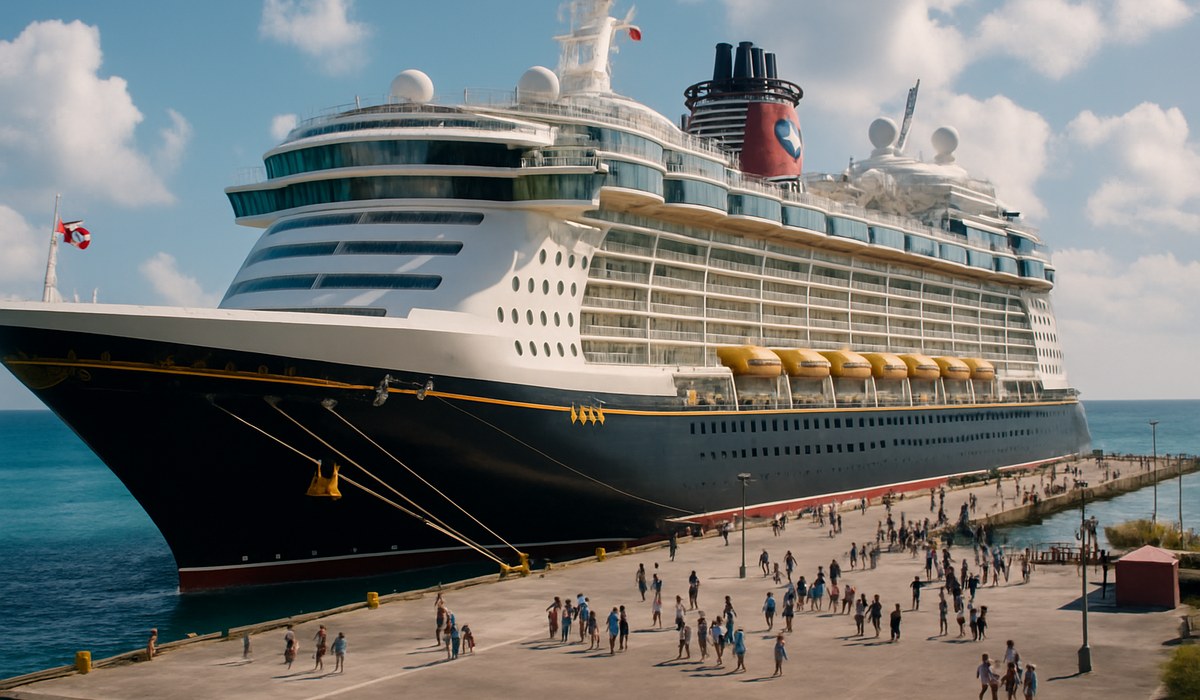
Image generated by AI
Quick Summary • Disney Dream reaches 15-year milestone while competitors focus on new mega-ship construction • Cruise line announces expanded 2026-2027 sailing schedule from Miami homeport • Mid-sized vessel strategy demonstrates alternative to industry's bigger-is-better approach • Recent upgrades and family-focused features keep 15-year-old ship competitive for modern travelers
While cruise lines race to build ever-larger ships, Disney's 15-year-old Dream proves that thoughtful updates and strategic route expansion can keep a mid-sized vessel at the forefront of family travel. As travel Disney Dream vessel marks a decade and a half of Caribbean and Bahamas voyages, Disney Cruise Line's anniversary announcement reveals how legacy ships maintain relevance in an industry increasingly dominated by floating cities carrying 6,000-plus passengers.
The timing celebrates a notable achievement: few cruise vessels remain premier offerings 15 years post-launch. Most operators relegate older ships to budget lines or secondary markets. Disney's commitment to maintaining Dream as a flagship product signals confidence that quality, not tonnage, drives family vacation decisions.
15 Years Afloat: Disney Dream's Evolution in a Changing Cruise Market
Disney Dream entered service in January 2011, carrying 4,000 passengers at 130,000 gross tons—substantial for its era but modest by 2026 standards. The ship established Disney's blueprint for at-sea family entertainment: Broadway-style shows, character dining, water coasters, and adult-exclusive spaces within a kid-centric environment.
Data from the Cruise Lines International Association{:target="_blank" rel="noopener noreferrer"} shows average new cruise ship size has increased 42% since 2011, with several lines launching vessels exceeding 200,000 gross tons. Yet Disney has resisted this arms race, choosing to enhance existing ships rather than perpetually chase capacity records.
Since 2021, Disney Dream has undergone three major refurbishment periods totaling $87 million in investments. Upgrades included suite-category expansion, enhanced Wi-Fi infrastructure, modernized theater technology, and safety improvements aligned with CDC cruise ship health protocols{:target="_blank" rel="noopener noreferrer"}. These renovations extended Dream's competitive lifespan while preserving its original design DNA.
The vessel's 15-year anniversary coincides with Disney Cruise Line's broader expansion strategy. While Dream maintains its core mission, the company recently announced two additional ships entering service through 2028, bringing fleet total to eight vessels. This balanced approach—preserving proven assets while adding capacity—contrasts with competitors' tendency to sideline older inventory.
Industry analysts note Disney's model acknowledges a fundamental truth: families prioritize experience consistency over novelty. A ship that delivered magical vacations in 2011 can continue doing so in 2026 if properly maintained and thoughtfully updated.
Expanded Sailings and New Itineraries for 2026-2027
Disney has confirmed expanding Dream's deployment schedule from Port of Miami{:target="_blank" rel="noopener noreferrer"} through early 2028. The enhanced program adds 23 departure dates for the 2026-2027 season, representing a 19% capacity increase over the previous year.
New itineraries include five-night Western Caribbean routes calling at Cozumel and Grand Cayman, alongside traditional three- and four-night Bahamas sailings to Nassau and Castaway Cay. Seven-night Eastern Caribbean voyages—previously rare on Dream—now appear monthly through fall 2027, featuring St. Maarten, St. Thomas, and Disney's private Bahamian island.
The schedule expansion reflects broader trends in family cruise demand. Disney reports 2025 booking velocity exceeded pre-pandemic levels by 34%, with particular strength in multi-generational groups. Dream's capacity—large enough for entertainment variety but small enough to avoid overwhelming crowds—suits this demographic perfectly.
Pricing for the expanded sailings ranges from $649 per person for three-night Bahamas cruises to $2,849 for seven-night Caribbean voyages, based on double occupancy in standard staterooms. Concierge-level suites command premiums exceeding $8,000 per person, yet maintain 91% occupancy rates according to Disney's March 2026 investor presentation.
While competitors like Royal Caribbean's Wonder of the Seas offer Singapore to Alaska cruise route exotica spanning hemispheres, Disney leans into familiar Western Hemisphere itineraries that minimize travel complexity for families with young children. This geographic focus has proven commercially sound: Dream's average occupancy rate has exceeded 96% over its 15-year history.
The sailings expansion also addresses operational realities. Miami's cruise infrastructure supports year-round Disney operations more efficiently than rotating homeports. Consistency reduces logistical costs while building passenger familiarity—returning guests appreciate knowing exactly what to expect from embarkation to debarkation.
Family-Centric Features That Keep Disney Dream Relevant
Disney Dream's enduring appeal stems from purpose-built family infrastructure that newer ships struggle to replicate. The 765-foot AquaDuck water coaster—first of its kind at sea—remains a marquee attraction that competitors have imitated but not surpassed in family appeal.
Youth programming divides children into age-specific clubs: Oceaneer Club (3-12 years), Edge (11-14), and Vibe (14-17). Recent upgrades introduced Marvel Super Hero Academy and Frozen Adventures themed spaces, replacing original Disney Channel programming that became dated. These refreshes cost $12 million but preserved the clubs' core operational model.
Adult guests access the Quiet Cove Pool, Senses Spa, and specialty restaurants like Palo Italian and Remy French dining. This dual-demographic approach—keeping kids engaged while offering parents respite—differentiates Disney from mass-market cruise lines where adult spaces feel like afterthoughts.
Comparing the onboard experience to land-based alternatives, Disney Dream offers concentrated entertainment that rivals family-friendly resort experiences in Mexico or Caribbean all-inclusives, with the added dimension of port variety. The ship essentially functions as a floating resort that changes scenery daily.
Technology updates have been critical to relevance. In 2023, Dream received enhanced connectivity supporting 15 Mbps per stateroom—adequate for streaming and remote work. The Disney Cruise Line Navigator app now handles everything from dining reservations to character meet-and-greet scheduling, reducing reliance on physical Guest Services queues.
Entertainment production values match shoreside Broadway touring shows. "Disney's Believe" and "The Golden Mickeys" feature costuming, lighting, and technical complexity that smaller or older ships cannot accommodate. Recent addition "Disney Wishes" incorporated LED scenic technology installed during 2024 drydock, demonstrating Disney's willingness to invest in 15-year-old infrastructure.
What Disney Dream's Longevity Means for Cruise Shoppers
For families planning 2026-2027 cruises, Dream's anniversary offers several practical considerations. First, a 15-year operational track record means extensive online reviews, YouTube walkthroughs, and social media documentation. Prospective passengers can research every stateroom category, dining venue, and entertainment option with confidence that current conditions match recent accounts.
Second, crew experience levels on Dream typically exceed newer ships. Many staff members have worked aboard five-plus years, creating service consistency that enhances the family experience. Disney's low crew turnover—averaging 23% annually compared to industry norm of 34%—compounds this advantage on legacy vessels.
Third, pricing for Dream sailings tends to run 8-12% below equivalent itineraries on Disney's newest ships, Fantasy and Wish. Families accepting slightly older decor can access the Disney cruise experience at meaningful savings while receiving functionally identical service and entertainment.
Booking windows currently extend through March 2028, with best availability in September-November 2026 (hurricane season, though modern forecasting and ship design mitigate risks). Holiday periods—especially Thanksgiving, Christmas, and spring break—show limited inventory, requiring bookings 11-14 months in advance for preferred stateroom categories.
Travel insurance has become standard practice for cruise vacations, particularly given health protocol uncertainties and Caribbean weather patterns. Policies covering trip cancellation, interruption, and medical evacuation typically cost 6-8% of total trip price but provide essential protection for family travel investments often exceeding $10,000.
FAQ: Disney Dream Anniversary and Booking Information
How does Disney Dream compare to newer Disney cruise ships? Dream offers 95% of the features found on newer vessels at lower pricing. Main differences include slightly smaller staterooms (averaging 204 sq ft versus 221 sq ft on Wish) and fewer dining venues (nine versus twelve). Entertainment quality and youth programming remain equivalent across the fleet.
What upgrades has Disney made to Dream over 15 years? Major refurbishments totaling $87 million included suite additions, enhanced Wi-Fi, updated youth clubs with Marvel and Frozen theming, modernized theater technology, refreshed Senses Spa, and comprehensive mechanical system overhauls. Soft goods (carpeting, upholstery, mattresses) undergo replacement every 4-5 years.
Are there age restrictions for Disney Dream sailings? Infants must be at least six months old for Caribbean itineraries. No maximum age exists. Approximately 18% of passengers are adults traveling without children, drawn by adult-exclusive spaces and sophisticated dining options.
How far in advance should families book Disney Dream cruises? For standard staterooms during non-peak periods, 6-8 months provides adequate selection. Holiday weeks and school vacation periods require 12-14 month advance bookings. Concierge-level suites often sell out within 48 hours of schedule release, 18 months before sailing.
Can passengers visit Castaway Cay on all Disney Dream sailings? All Disney Dream itineraries include a stop at Castaway Cay, Disney's private Bahamian island. Three-night cruises allocate one day; four-night sailings include one full day; longer itineraries may feature extended hours or overnight stays depending on specific routing.
Related Articles:
Disclaimer
This article is for informational and educational purposes only. It does not constitute legal, financial, or professional advice. While we strive to provide accurate and up-to-date information, travel policies, regulations, and conditions change rapidly. Always verify information with official sources before making travel decisions. Nomad Lawyer makes no representations about the accuracy, reliability, completeness, or suitability of the information provided. Readers should consult qualified professionals for advice specific to their circumstances. The views expressed in this article are those of the author and do not necessarily reflect the views of Nomad Lawyer.
Raushan Kumar
Founder & Lead Developer
Full-stack developer with 11+ years of experience and a passionate traveller. Raushan built Nomad Lawyer from the ground up with a vision to create the best travel and law experience on the web.
Learn more about our team →