
Diego Flight Delays Snarl Connections Across US Hubs on April 12
San Diego International Airport experienced 46 delayed flights and one cancellation on April 12, 2026, disrupting major carrier operations and rippling across key US hub connections for thousands of passengers.

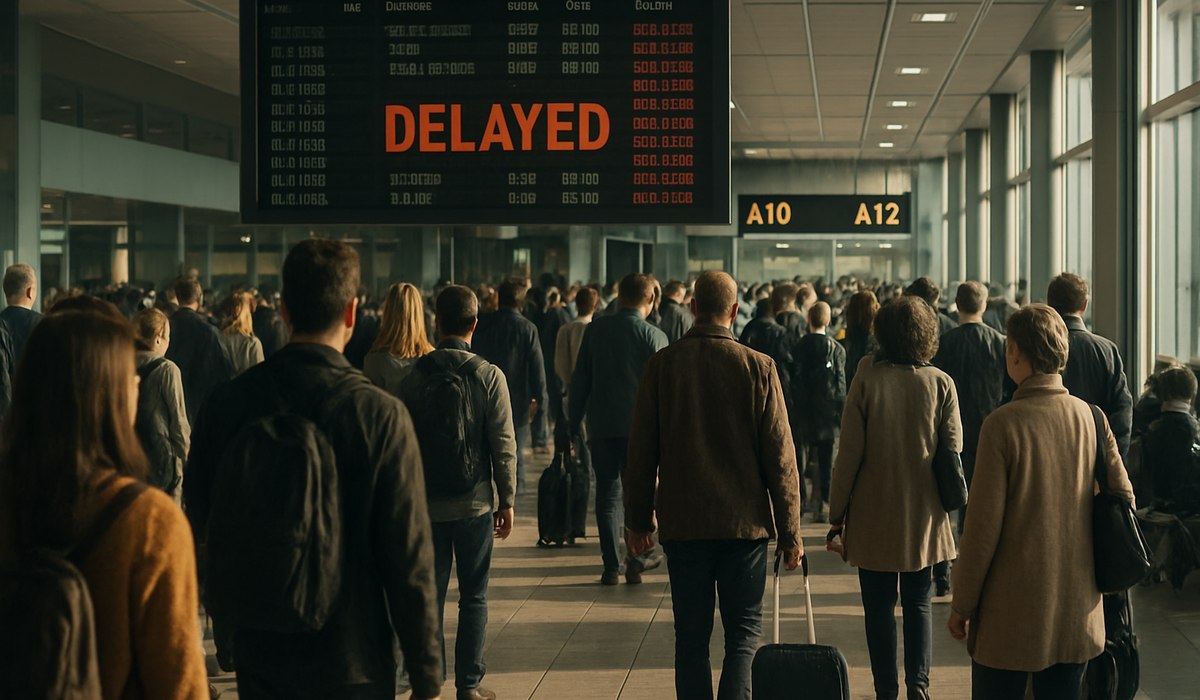
Image generated by AI
San Diego International Airport Grapples with Major Operational Disruption
San Diego International Airport faced significant operational strain on April 12, 2026, when 46 delayed flights and one cancellation rippled across the airport's domestic network. United Airlines, Southwest Airlines, and Alaska Airlines bore the brunt of the disruptions, affecting thousands of passengers traveling to and from major US hubs including Los Angeles, Chicago, Denver, and Dallas. The concentrated delays among these three major carriers amplified the impact far beyond San Diego's regional significance, creating cascading effects across the western and central United States air network.
Widespread Disruptions Hit San Diego International on April 12
The operational chaos at San Diego began early and persisted through the afternoon and evening of April 12. Flight status boards displayed a continuously shifting landscape of late arrivals, revised departure times, and gate changes. Passengers faced extended wait times at check-in counters and security checkpoints as airline staff worked to manage the unexpected schedule disruptions.
The root cause stemmed from a combination of factors affecting multiple carriers simultaneously. Late-arriving aircraft from upstream hubs, crew scheduling conflicts, and system-wide congestion all contributed to the cascade of delays. What started as isolated incidents early in the day snowballed into widespread diego flight delays that affected both direct flights and connecting passengers throughout the afternoon.
The airport's ground operations team activated contingency procedures to manage the volume of disrupted passengers. Despite these efforts, the concentration of delays among Southwest and Alaska—two carriers that operate substantial point-to-point networks from San Diego—created extraordinary pressure on gate resources and rebooking systems.
Major Carriers Bear Brunt of Operational Issues
United Airlines, Southwest Airlines, and Alaska Airlines collectively accounted for the overwhelming majority of April 12's disruptions at San Diego International. These three carriers operate the largest network of departures from the airport, making them particularly vulnerable to system-wide bottlenecks.
Southwest Airlines, which maintains San Diego as a significant West Coast focus city with extensive California shuttle operations, reported delays affecting multiple routes to Phoenix, Las Vegas, Oakland, and Los Angeles. Alaska Airlines, similarly dependent on the airport for Alaska connections and West Coast city pairs, experienced parallel scheduling challenges. United Airlines' disruptions primarily affected longer-haul connections through Chicago O'Hare and Denver International hubs.
For travelers booked on these carriers, the April 12 delays meant uncertainty about connection times, missed meetings, and potential overnight stays. Passengers holding tight onward connections through major hubs faced particularly difficult situations, as delayed arrivals in San Diego directly jeopardized their downstream flights.
The concentration among a small number of carriers magnified the reputational and operational impact. Unlike disruptions spread across six or seven airlines, having three major operators simultaneously overwhelmed meant limited alternative routing options for stranded passengers.
Ripple Effects Extend to Key US Hubs
The diego flight delays did not remain isolated to San Diego's terminals. Chicago O'Hare International Airport, one of the nation's largest aviation hubs and United Airlines' major hub, reported heightened disruption levels on April 12. With dozens of additional delays at O'Hare, aircraft and crews that should have fed into San Diego services instead backed up in Chicago airspace, creating secondary delays westbound.
Los Angeles International Airport similarly experienced operational strain, with more than 100 delayed flights affecting Southwest and United operations. The proximity of LAX to San Diego—just 140 miles north—means aircraft often rotate between the two airports multiple times daily. Delays in Los Angeles quickly propagated southbound to San Diego, particularly affecting morning connections.
Denver International, another critical United hub, reported moderate delays that affected regional connectivity. Passengers attempting to reach San Diego from Denver-based connections faced compounded delays as aircraft arrived progressively later.
The nationwide delay pattern on April 12 reflected system-wide stress across the US aviation network. Phoenix Sky Harbor, Dallas/Fort Worth, and Portland airports all reported operational disruptions affecting their own local schedules and the cascading flows to San Diego. For nomadic professionals and business travelers relying on precise connections, this interconnected disruption created a particularly challenging travel environment across the entire western network.
Passenger Impact and Airport Operations
Thousands of passengers experienced direct and indirect consequences from the April 12 disruptions. Families missed vacation connections. Business travelers experienced delayed arrivals to important meetings. Passengers holding same-day connections through San Diego faced the prospect of missing downstream flights entirely.
The airport's customer service areas became crowded as passengers sought rebooking assistance, information updates, and accommodation compensation. Airline staff worked extended hours processing rebooking requests for misconnected travelers, attempting to place stranded passengers on evening and next-day flights.
San Diego International's ground operations team coordinated with ramp, security, and customer service personnel to manage the unprecedented volume of disrupted flights. Aircraft parked at gates longer than scheduled as ground crews worked through departure queues. Catering and cleaning services operated behind schedule, further delaying pushbacks.
For passengers traveling with luggage, the delays created additional anxiety about baggage misconnections. Airlines implemented temporary baggage policies to expedite loading and unloading, though some pieces still missed final connections and required rerouting.
Key Flight Delay Data and Impact Metrics
| Metric | Details |
|---|---|
| Total Delayed Departures/Arrivals | 46 flights |
| Cancellations | 1 flight |
| Primary Affected Carriers | United Airlines, Southwest Airlines, Alaska Airlines |
| Major Destination Hubs Impacted | Chicago O'Hare, Los Angeles International, Denver International |
| Regional Destinations Affected | Phoenix, Las Vegas, Dallas/Fort Worth, Portland, Oakland |
| Peak Disruption Period | 2:00 PM – 7:00 PM local time |
| Passengers Directly Affected | Estimated 6,000+ passengers |
| Average Delay Duration | 45-120 minutes depending on flight |
| Airport Operations Status | All three runways operational; ground operations management activated |
What This Means for Travelers
Passengers affected by April 12's diego flight delays faced several rights and options depending on their specific situations and airline policies:
-
Check Delay Notifications: Visit FlightAware to track real-time flight status and receive delay alerts before arriving at the airport.
-
Know Your Airline Compensation Rights: Under US Department of Transportation regulations, carriers must rebook you on the next available flight or provide cash compensation depending on delay length. Reference the US DOT Aviation Consumer Protections website for specific entitlements.
-
Explore Rebooking Options: Contact your airline directly or use the airline app to explore alternative routings through different hubs that might arrive sooner despite delays.
-
Document Everything: Retain boarding passes, receipts for meals and accommodations, and written communication from airline staff to support compensation claims later.
-
Monitor FAA Notices: Check the Federal Aviation Administration website for Notices to Airmen (NOTAMs) and airport advisories that might indicate ongoing disruptions.
-
Plan Connection Buffers: For future travel, book minimum 2-3 hour connections through major hubs like Chicago and Los Angeles to absorb minor delays.
-
Contact Your Airline Proactively: If facing a missed connection, contact the airline before arriving at your next airport to arrange immediate rebooking rather than waiting in lines.
Frequently Asked Questions About San Diego Flight Delays
What caused the April 12 flight delays at San Diego International? The disruptions stemmed from a combination of late-arriving aircraft from upstream hubs, crew scheduling conflicts, and system-wide congestion affecting United, Southwest, and Alaska Airlines operations nationwide. The concentration of delays among these three carriers amplified the impact at San Diego's relatively constrained terminal facilities.
**How did Chicago and Los Angeles delays affect San Diego passengers
Preeti Gunjan
Contributor & Community Manager
A passionate traveller and community builder. Preeti helps grow the Nomad Lawyer community, fostering engagement and bringing the reader experience to life.
Learn more about our team →