
Flight Disruptions Snarl Myrtle Beach Airport During Peak Spring Travel
Dozens of flights face cancellations and delays at Myrtle Beach International Airport during spring break season in 2026. Cascading disruptions from weather and hub congestion leave travelers with limited rebooking options.

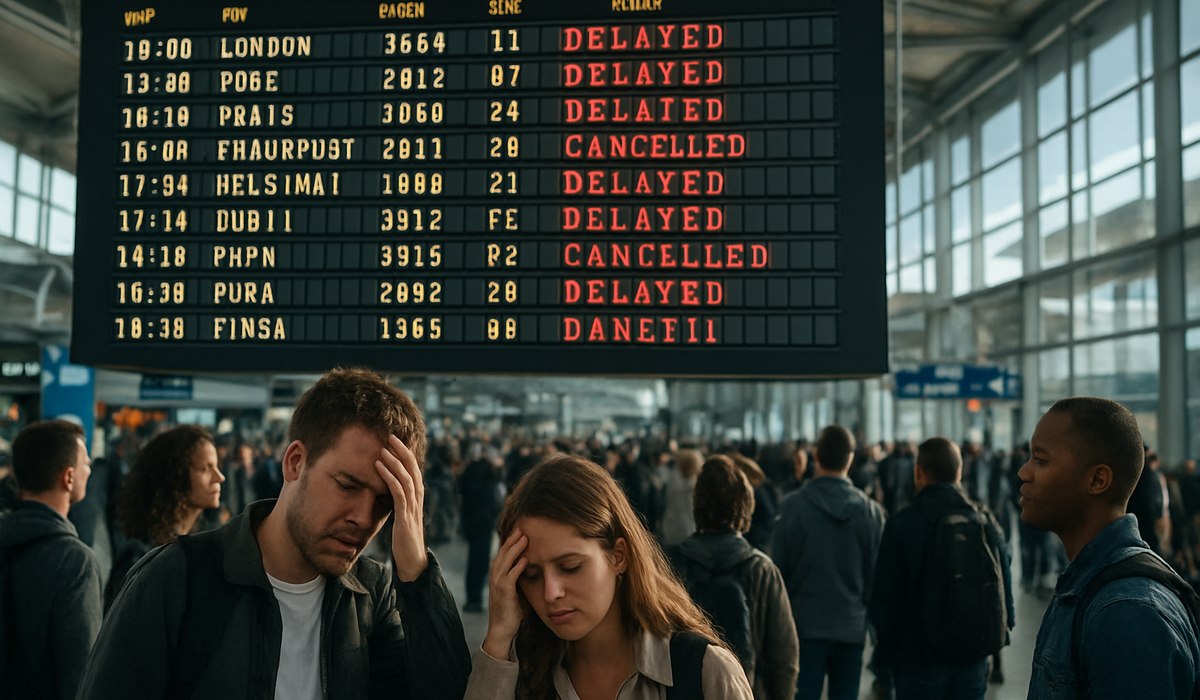
Image generated by AI
Spring Break Travel Chaos: Flight Disruptions Snarl Myrtle Beach Airport
Myrtle Beach International Airport faces widespread operational disruptions on May 9, 2026, forcing hundreds of spring getaway travelers to rethink plans during the peak leisure travel window. Multiple flight cancellations and extended delays are affecting connections to major U.S. hubs including Atlanta, Charlotte, Chicago, and New York. The cascading impact extends far beyond the South Carolina coast, with rebooking challenges intensifying as aircraft availability tightens and weather-related constraints ripple across the national airline network. Travelers seeking alternative routes face limited same-day options and increasingly crowded remaining flights.
Major Cancellations Hit Key Domestic Routes
Flight tracking data and official airline status pages confirm significant operational strain at Myrtle Beach International Airport throughout May 9. The busiest domestic corridors—connecting to Atlanta, Charlotte, Baltimore, Chicago, and New York area airports—show the heaviest concentration of cancellations and multi-hour delays.
These major hub connections typically handle high-frequency service, but when irregular operations strike, airlines immediately redeploy aircraft to their largest bases and long-haul international operations. This prioritization leaves regional leisure routes particularly vulnerable. Midwest and Northeast corridor flights face elevated disruption risk, with unsettled weather patterns earlier this week already stretching schedules at connecting hubs.
Secondary seasonal routes operating only several times weekly pose an additional challenge. When one of these limited flights gets cancelled, passengers may not find another nonstop option for days, effectively eliminating direct service between inland cities and Myrtle Beach during the disruption window. For families bound by school holiday schedules, this creates impossible alternatives. High-frequency routes may recover faster through passenger consolidation, though travelers should expect oversold cabins and limited carry-on space.
For real-time flight status, consult FlightAware or your airline's official website before heading to the airport.
Cascading Disruptions From Regional Weather and Hub Congestion
Weather systems affecting major airline hubs create domino effects that destabilize operations hundreds of miles away. When thunderstorms or winter weather disrupts Atlanta or Chicago—two of America's busiest airline hubs—the ripple effects immediately cascade to smaller airports like Myrtle Beach that depend on connecting aircraft and crews.
Tight aircraft availability across the industry amplifies these disruptions. Airlines are operating fuller flights than in previous years, meaning backup aircraft are already deployed elsewhere. Operational issues combine with reduced crew flexibility to create perfect storm conditions for widespread cancellations rather than manageable delays.
Local conditions at Myrtle Beach may appear stable, yet hub congestion or weather hundreds of miles away triggers flight removals that strand passengers. The interconnected nature of modern airline networks means a single major disruption propagates across multiple cities simultaneously. This week's earlier disruptions have already compressed schedules across key connecting airports, leaving minimal buffer capacity for additional problems.
The FAA's real-time network status provides updates on national airspace conditions and traffic management initiatives that may contribute to delays.
Rebooking Nightmare: Limited Alternatives for Stranded Travelers
The challenging reality for cancelled passengers: few viable same-day alternatives exist. Myrtle Beach's recent network expansion focused on point-to-point leisure routes with minimal frequency. When those flights disappear, travelers cannot simply catch the next departure on the same airline.
Rebooking displaced passengers has become increasingly difficult due to constrained airline capacity. Seats on remaining flights are typically sold out. Alternative options like rerouting through secondary hubs involve long detours, extended layovers, or overnight stays that extend travel time by 6-12 hours. Shifting to another carrier often requires purchasing new tickets at full price rather than using existing bookings.
Airlines operating from Myrtle Beach have published flexible travel policies including fee waivers for one-time changes and limited fare differences on alternative dates. However, these policies vary by carrier and don't apply universally. Mobile apps and airline websites serve as primary rebooking channels; call centers are overwhelmed during widespread disruptions. Travelers who check in digitally often receive push notifications and can self-serve rebooking without airport lines.
Check US Department of Transportation consumer resources for passenger rights information specific to your airline and disruption circumstances.
What This Means for Spring Getaway Plans
Spring break and long-weekend travelers face significant uncertainty as flight disruptions snarl Myrtle Beach airport operations. The timing compounds frustration—families have booked specific dates around school schedules, and alternative plans cannot simply shift to the following week.
Operational reality for passengers:
- Direct flights to major hubs may be unavailable for 24-48 hours
- Ground transportation alternatives (rental cars, buses) are sold out or experiencing delays
- Hotel accommodations in the Myrtle Beach area fill quickly when travelers miss flights
- Rerouting through secondary carriers often doubles total travel time
The confluence of constrained airline networks and fuller aircraft means rebooking capacity is genuinely scarce. This isn't a situation where everyone disrupted gets rebooked on the next departure. Rather, passengers must choose between accepting significant delays, paying for new tickets on competing airlines, or postponing trips entirely.
Weather improvements over the next 24-48 hours should gradually restore normal operations, but full recovery typically requires 2-3 days as airlines cycle aircraft and crews back into normal patterns.
Traveler Action Checklist
If your spring getaway involves Myrtle Beach airport travel, take these steps immediately:
- Check your flight status now on your airline's app or website, not at the airport
- Review airline rebooking policies for fee waivers and fare difference rules before calling
- Monitor inbound aircraft using FlightAware—heavy delays on previous legs signal your departure may cancel
- Set up push notifications on your airline's mobile app for real-time cancellation alerts
- Gather alternative contact information for your airline beyond the main reservation line
- Document all communications with airlines regarding cancellations and rebooking attempts
- Understand your rights under DOT regulations regarding compensation eligibility
- Consider ground transportation alternatives if rebooking isn't viable within acceptable timeframes
- Call your hotel to discuss flexible check-in dates if arrival delays seem likely
- Request written confirmation of any rebooking on alternative flights before leaving for the airport
Impact Summary Table
| Metric | Details |
|---|---|
| Airport Affected | Myrtle Beach International Airport (MYR) |
| Disruption Date | May 9, 2026 |
| Primary Routes Impacted | Atlanta, Charlotte, Chicago, New York, Baltimore |
| Disruption Type | Cascading cancellations and extended delays |
| Primary Cause | Weather at major hubs + operational constraints + aircraft availability |
| Rebooking Difficulty | High—limited same-day alternatives |
| Affected Travelers | Spring break passengers, leisure travelers, families |
| Expected Recovery | 2-3 days for normal operations restoration |
Frequently Asked Questions
Q: What causes flight disruptions to cascade from other airports to Myrtle Beach?
A: Modern airline networks operate interconnected hub-and-spoke systems. When weather or operational issues disrupt major hubs like Atlanta or Chicago, the same aircraft and crews that should operate Myrtle Beach flights are instead deployed elsewhere. Local conditions at Myrtle Beach can appear stable while hub disruptions still eliminate flights.
Q: Does my airline owe me compensation for cancellations?
A: Compensation eligibility
Disclaimer
This article is for informational and educational purposes only. It does not constitute legal, financial, or professional advice. While we strive to provide accurate and up-to-date information, travel policies, regulations, and conditions change rapidly. Always verify information with official sources before making travel decisions. Nomad Lawyer makes no representations about the accuracy, reliability, completeness, or suitability of the information provided. Readers should consult qualified professionals for advice specific to their circumstances. The views expressed in this article are those of the author and do not necessarily reflect the views of Nomad Lawyer.
Preeti Gunjan
Contributor & Community Manager
A passionate traveller and community builder. Preeti helps grow the Nomad Lawyer community, fostering engagement and bringing the reader experience to life.
Learn more about our team →