
Dhorpatan Valley Records Surge in Visitor Arrivals and Trekking Tourism
Nepal's Dhorpatan Valley recorded 37,520 tourist arrivals in the 2025/26 fiscal year, driven by domestic travellers and high-altitude trekking.
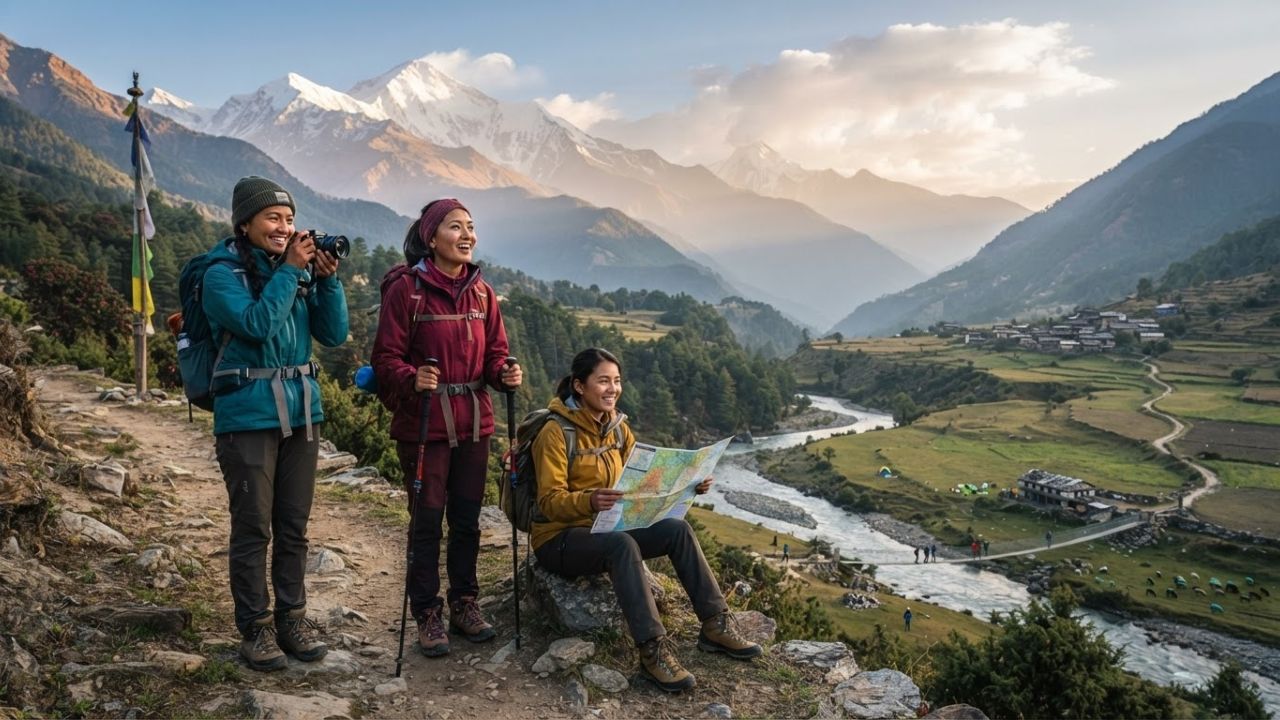
Image generated by AI
Nepal's Dhorpatan Valley welcomed a record 37,520 arrivals in the 2025/26 fiscal year, driven by domestic travel and high-altitude trekking routes.
The Core Transit Update
Himalayan trekking and adventure travel are shifting toward lesser-known valleys in western Nepal. According to the Dhorpatan Hunting Reserve Office in Baglung, the remote valley welcomed a record 37,520 visitors in the 2025/26 fiscal year, up from 23,692 in 2024/25 and 15,573 in 2023/24.
This visitor boom has generated Rs 4.7 million in tourist entry fee revenue, supporting conservation and local homestay management. The majority of the visitors were domestic tourists, with Nepali travelers accounting for 37,270 of the arrivals, showing a growing domestic interest in high-altitude trekking routes.
Transit Schedule & Route Specifications
Reaching remote valleys in western Nepal requires planning road connections and tracking checkpoint entry fees. The following table provides historical arrivals, revenue figures, and entry parameters for Dhorpatan.
| Fiscal Year Period | Inbound Domestic Arrivals | Inbound International Arrivals | Total Combined Arrivals | Reserve Entry Revenues (NPR) | Main Trekking Attractions |
|---|---|---|---|---|---|
| FY 2023/24 | Baseline metrics | Unmeasured minor margin | 15,573 visitors | Unspecified baseline | Jaljala pass, Dhorpatan valley |
| FY 2024/25 | High-density margins | Unspecified foreign arrivals | 23,692 visitors | Rs 3.1 million | Bukipatan trail, Dhorpatan valley |
| FY 2025/26 | 37,270 Nepali travellers | 250 foreign travellers | 37,520 visitors | Over Rs 4.7 million | Bukiful, Bukipatan, Jaljala trails |
Visitor arrivals and entry fee revenues compiled in coordination with the Dhorpatan Hunting Reserve Office in Baglung and the Ministry of Culture, Tourism, and Civil Aviation of Nepal.
Traveler Logistics Guide
From a ground-level perspective, the best way to navigate this is to fly into Pokhara (PKR) and charter a four-wheel-drive Jeep to travel the rugged 140-kilometer dirt road through Baglung, as regional bus schedules are highly variable during monsoon shoulder periods and road washouts are common. Securing permits in advance is recommended.
To plan your Himalayan journey:
- Flight Connections: Fly from Kathmandu's Tribhuvan International Airport (KTM) to Pokhara (PKR) on domestic carriers. Pokhara serves as the primary transit hub for western Nepal.
- Permits and Checkpoints: Obtain your reserve entry permit at the Baglung entry gate or through licensed agencies in Kathmandu. Foreign visitors pay Rs 3,000, SAARC visitors pay Rs 1,500, and Nepali visitors pay Rs 100.
- Trekking Routes: The 2,900-meter Dhorpatan Valley serves as the base camp. Popular high-altitude trekking routes lead to Bukipatan, Bukiful, and Jaljala, rising above 4,000 meters.
- Accommodation Strategy: While hotels are available in the valley, higher altitude treks require homestays or tent camps. Confirm local homestay bookings through community-led tourism committees.
Infrastructure Impact Assessment
The Dhorpatan Hunting Reserve covers parts of Baglung, Myagdi, and Rukum districts, protecting rare wildlife such as blue sheep, Himalayan tahr, musk deer, and red pandas. The growth in trekking arrivals has prompted local authorities to invest in high-altitude trail markings and community homestays.
By dispersing adventure tourists away from crowded routes like the Annapurna Circuit, Dhorpatan's rise helps protect delicate alpine habitats while directing tourism revenue directly to rural mountain communities, supporting both local business growth and biodiversity conservation.
Related Travel Guides
Disclaimer
This article is for informational and educational purposes only. It does not constitute legal, financial, or professional advice. While we strive to provide accurate and up-to-date information, travel policies, regulations, and conditions change rapidly. Always verify information with official sources before making travel decisions. Nomad Lawyer makes no representations about the accuracy, reliability, completeness, or suitability of the information provided. Readers should consult qualified professionals for advice specific to their circumstances. The views expressed in this article are those of the author and do not necessarily reflect the views of Nomad Lawyer.