
Detroit Airport Delays Cascade Through Spring 2026 Travel Peak
A ground stop at Detroit Metropolitan Wayne County Airport on April 10, 2026 triggered detroit airport delays across major U.S. carriers during spring travel peak, stranding thousands and creating ripple effects nationwide through evening operations.

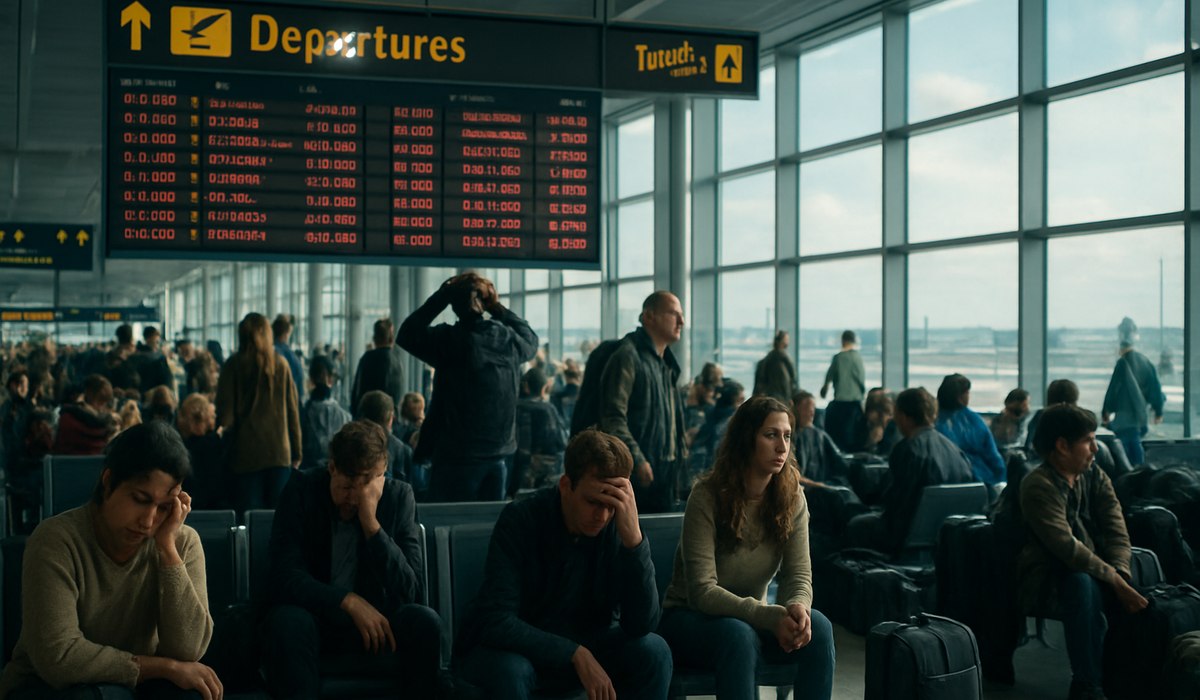
Image generated by AI
Detroit Metropolitan Airport Ground Stop Snarls Spring Travel
A sudden ground stop at Detroit Metropolitan Wayne County Airport on April 10, 2026 triggered widespread detroit airport delays across the nation's busiest spring travel period. The operational halt, which restricted departures and slowed arrivals at this critical Midwest hub, cascaded through networks operated by Delta Air Lines, United, and major U.S. carriers. Thousands of passengers faced missed connections, overnight rebookings, and extended delays as aircraft and crews fell out of position during one of the year's most congested travel windows.
Ground Stop Triggers Cascading Disruptions Across Networks
The brief ground stop at Detroit Metropolitan Wayne County Airport created immediate chaos on April 10, halting departures and backing up arriving traffic. Federal Aviation Administration advisories documented the operational pause as air traffic controllers worked through accumulated traffic backlog. Flight tracking platforms recorded aircraft holding in queues and maintaining high altitude holds while controllers managed the congestion.
The timing proved particularly disruptive during spring break travel surge, when airline schedules already operated with minimal slack capacity. Once controllers lifted the ground stop and resumed departures, ripple effects persisted through evening operations. Crew duty time limitations and aircraft rotation adjustments extended delays for flights scheduled well after the initial disruption ended. Airlines struggled to restore normal operations as cascading detroit airport delays affected connections across their networks.
Delta Air Lines and Major Carriers Hit Hardest by Detroit Disruption
Delta Air Lines absorbed the largest operational impact, given its substantial hub presence at Detroit. The carrier's extensive domestic network and transatlantic services routed through Detroit created vulnerability to any operational disruption. United Airlines and American Airlines also reported significant delays affecting passengers on connecting routes through the Midwest hub.
Airlines implemented emergency recovery procedures including flight consolidations and aircraft upgauges on select routes. Carriers offered travel waivers permitting passengers to rebook on different dates or reroute around the most affected airports. These policies provided limited relief given the compressed spring schedule and high demand across all major carriers.
Staffing shortages at security checkpoints and airline operations centers nationwide compounded operational challenges. With limited spare crews and aircraft positioned during peak travel season, even brief operational pauses translate into hours of downstream disruption.
Compounding Pressures From March Storm and Staffing Challenges
Detroit's April disruption followed recovery efforts from a powerful late-season winter storm that swept the Upper Midwest in March 2026. The March 16 storm system produced heavy snow, ice, and high winds, generating nearly 2,000 national flight cancellations. Detroit logged scores of cancellations as visibility dropped and de-icing operations intensified.
The March storm hit during spring break travel surge, creating what aviation observers called a "perfect storm" of high demand, limited spare capacity, and fragile schedules. Carriers required several days to reposition aircraft and crews after March weather cleared, causing residual disruptions through late March.
By early April, Detroit operations appeared stabilized relative to other major hubs. However, the fragile recovery status meant operations remained vulnerable to additional disruptions. Staffing challenges at security checkpoints and operations centers nationwide left carriers with minimal buffer capacity.
Ripple Effects Extend Into Evening Operations and Recovery Efforts
After ground stop restrictions lifted on April 10, departures resumed but delays persisted through evening flights. Crew duty time regulations limited flight crew availability for rerouted passengers and recovery flights. Aircraft maintenance schedules and ground crews approaching shift changes created additional capacity constraints.
Airlines cancelled and delayed thousands of flights nationwide throughout the broader spring disruption period affecting Detroit and connecting hubs. Passengers on multi-leg itineraries encountered missed connections at Detroit and downstream connecting airports. Gate changes announced with minimal notice added confusion to already disrupted travel plans.
Recovery extended beyond April 10 as airlines worked to reposition equipment and crews across their networks. The disruption demonstrated how interconnected modern airline networks have become, with detroit airport delays instantly affecting passenger journeys across North America.
Key Disruption Data and Operational Impact
| Metric | Details |
|---|---|
| Ground Stop Date | April 10, 2026 |
| Primary Hub Affected | Detroit Metropolitan Wayne County Airport |
| Most Impacted Carrier | Delta Air Lines |
| Travel Period Context | Spring 2026 peak travel season |
| Preceding Weather Event | March 16, 2026 winter storm (2,000+ national cancellations) |
| Recovery Timeline | Cascading delays extended through evening operations |
| Network Impact | Ripple effects across Delta, United, American Airlines networks |
| Passenger Rebooking | Airlines issued travel waivers for date changes and rerouting |
| Contributing Factors | Crew staffing limits, minimal spare aircraft capacity, tight spring schedules |
| Tracking Resource | FlightAware provided real-time disruption data |
What This Means for Travelers During Peak Seasons
Spring 2026 detroit airport delays highlight vulnerability in tight airline schedules and staffing models. Passengers face increased risks of disruption during peak travel periods when carriers operate with minimal spare capacity. Understanding your rights and planning contingencies becomes essential for spring and summer travel.
Immediate Traveler Actions:
- Check real-time flight status on FlightAware before departing for the airport
- Register your flight with your airline's app to receive immediate delay notifications
- Review airline rebooking policies and travel waiver eligibility on airline websites
- Confirm crew and aircraft availability 24 hours before departure, particularly during peak periods
- Build buffer time into connections when routing through Detroit or other major hubs
- Photograph baggage tags and keep receipts for expenses from operational disruptions
- Document delay times and circumstances for compensation claim documentation
- Monitor FAA advisories for weather or operational ground stops
Frequently Asked Questions About Detroit Airport Delays
What caused the April 10 ground stop at Detroit Metropolitan Airport? Federal Aviation Administration advisories cited operational constraints at the busy Midwest hub during peak spring travel. While specific technical details remain limited, air traffic control systems managed accumulated traffic backlog and crew duty time constraints.
Which airlines were most affected by detroit airport delays on April 10? Delta Air Lines experienced the most significant impact given its hub operations at Detroit. United Airlines, American Airlines, and other carriers routing through Detroit also reported cascading delays affecting passengers on connecting flights through evening operations.
How long did detroit airport delays extend after the ground stop lifted? Ripple effects persisted through evening operations on April 10 and into April 11 as airlines repositioned crews and aircraft. Cascading delays affected flights scheduled well after the initial ground stop ended, with some passengers experiencing overnight rebookings and missed connections.
What passenger compensation and rebooking options did airlines offer? Major carriers issued travel waivers permitting date changes and rerouting around affected airports. Airlines consolidated flights and upgauged aircraft on select routes. Compensation eligibility varies by airline, route, and delay duration. Consult U.S. Department of Transportation consumer guidelines for detailed rights information.
Related Travel Guides
- Greece Experiences a Stealth Economic Crisis as Middle East Conflict Drives Energy Inflation, Surging Ferry and Airfare Costs, and Shifting Tourism Flows Across the Eastern Mediterranean: Latest Update
- Vanuatu Ambae Volcano Alert Level 3 Restricts Lake Voui Access and Impacts Grand Manaro Summit Trek 2026
- Iran Revolutionary Guard Missile Strike on US Bases in Jordan Sparks Middle East Crisis as Iraq, Saudi Arabia Respond in 2026
Disclaimer
This article presents information from publicly available aviation news reporting, [FAA](https
Disclaimer
This article is for informational and educational purposes only. It does not constitute legal, financial, or professional advice. While we strive to provide accurate and up-to-date information, travel policies, regulations, and conditions change rapidly. Always verify information with official sources before making travel decisions. Nomad Lawyer makes no representations about the accuracy, reliability, completeness, or suitability of the information provided. Readers should consult qualified professionals for advice specific to their circumstances. The views expressed in this article are those of the author and do not necessarily reflect the views of Nomad Lawyer.
Kunal K Choudhary
Co-Founder & Contributor
A passionate traveller and tech enthusiast. Kunal contributes to the vision and growth of Nomad Lawyer, bringing fresh perspectives and driving the community forward.
Learn more about our team →