
Delta and US Airlines See Summer 2026 Airfares Surge as Fuel Costs Drive Price Hikes
US airline fares jumped over 20% in early 2026 due to fuel volatility, prompting travelers to offset costs by targeting hidden fees in roaming and baggage.

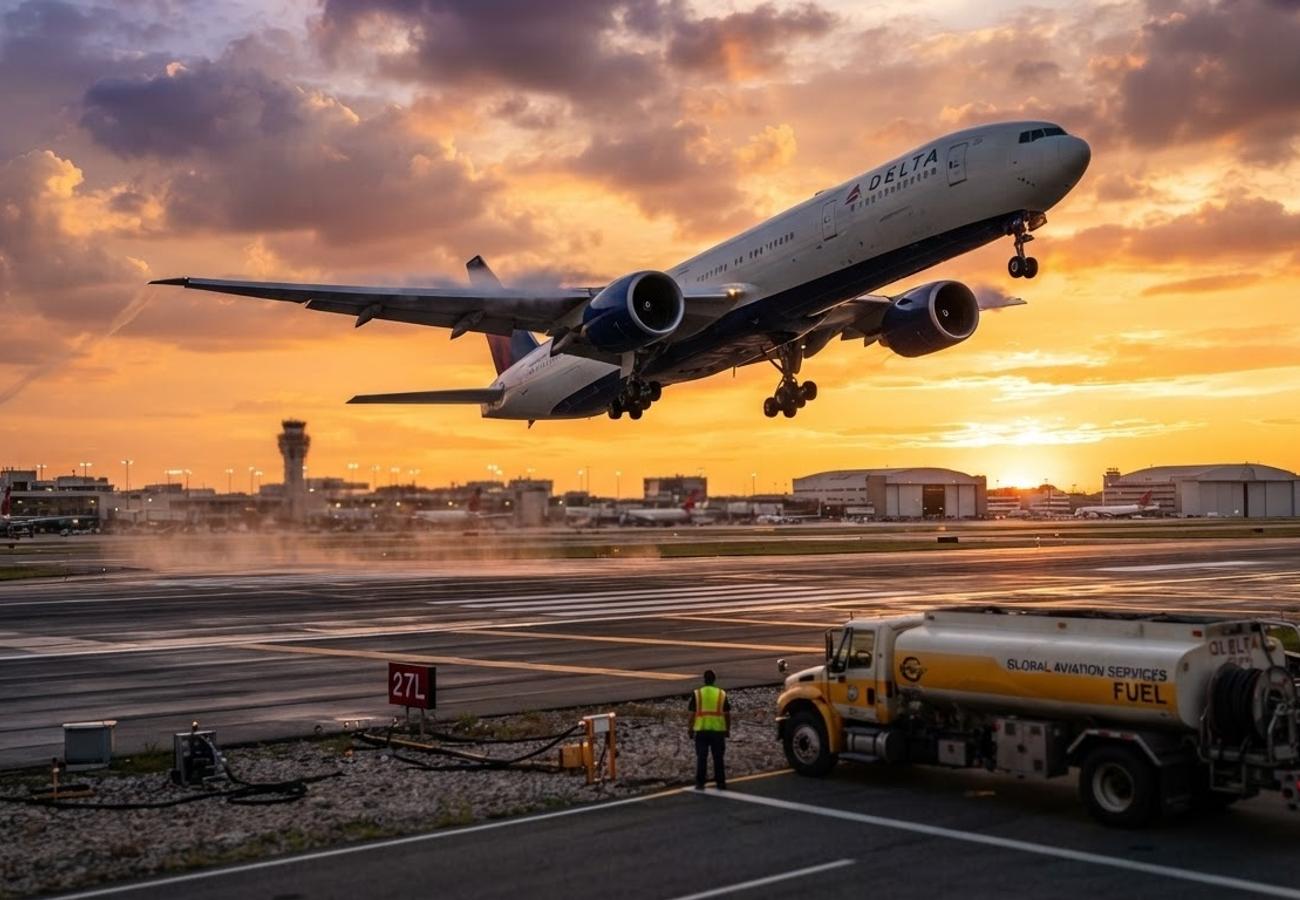
Image generated by AI
Summer 2026 is witnessing a significant price shock for travelers as major US carriers pass rising operational costs directly to consumers. While fuel volatility drives ticket prices upward, savvy passengers are shifting their focus toward controlling "hidden" expenses to protect their holiday budgets.
The aviation sector is currently grappling with a volatile energy market, leading to some of the sharpest airfare increases in recent years. This trend is not limited to the United States; similar pressures are mounting across European and UK hubs, where jet fuel shortages and supply chain disruptions are creating a climate of pricing uncertainty.
The Economic Drivers of 2026 Fare Hikes
The primary catalyst for the current price surge is the volatility of the jet fuel market, exacerbated by ongoing conflict and disruption in the Middle East. Because fuel represents one of the largest and most unpredictable operating expenses for airlines, carriers are forced to adjust fares, fees, and surcharges to maintain profitability.
Data from the US Bureau of Labor Statistics highlights the severity of this shift. The Consumer Price Index revealed that US airline fares jumped 20.7% year-over-year in April 2026. The upward trajectory continued through the spring, with a 6.3% increase between March and April, eventually pushing annual airfare inflation to 26.5% by June.
This inflation is not restricted to luxury or long-haul routes. It is a systemic increase affecting domestic and international travel alike, forcing passengers to allocate a larger portion of their total vacation budget to transportation.
Carrier Recovery Strategies: Delta vs. United
Major network carriers are utilizing different degrees of pricing power to mitigate these fuel shocks. Because there is often a lag between a fuel price spike and the revenue generated from newly priced tickets, airlines must rely on aggressive revenue management.
Delta Air Lines has leveraged its extensive premium network and strong demand to recover approximately 60% of its additional fuel costs. This ability to offset expenses demonstrates the advantage of a high-spend customer base. However, Delta has also increased ancillary costs, including a $10 increase in checked baggage fees for first and second bags.
United Airlines, while also facing significant exposure due to its vast global hub network, has recovered approximately 50% of its fuel cost increases through fare adjustments. The discrepancy between these recovery rates highlights a divide in the industry: carriers with narrower margins or more price-sensitive passengers are finding it harder to absorb energy market shocks.
Mitigating the "Hidden" Costs of Travel
While passengers have little influence over global fuel prices or airline base fares, industry experts suggest that total trip expenditures can be lowered by targeting controllable "hidden" fees.
Harry Deacon, a travel expert at eSIM provider Holafly, notes that mobile connectivity is one of the most overlooked expenses. Roaming charges can unexpectedly add hundreds of dollars to a trip, often surfacing only after the traveler returns home.
Beyond connectivity, travelers are encouraged to scrutinize the following areas to offset rising ticket costs:
- Payment Processing: Avoiding high-fee transaction methods.
- Baggage Management: Planning luggage to avoid the recent hikes in checked bag fees.
- Data Usage: Utilizing eSIMs or local data passes to avoid automatic carrier roaming charges.
Impact on the Broader Tourism Economy
The surge in transportation costs creates a ripple effect across the travel industry. When airfares consume a larger share of the budget, the "destination spend" typically drops. This manifests in several ways:
- Shortened Trip Duration: Travelers may reduce their stay to afford the flight.
- Destination Shifting: A preference for closer, more affordable locations.
- Reduced Discretionary Spending: Lower spending on hotels, local attractions, and dining.
Summary of US Airfare Inflation (2026)
| Metric | Value | Period |
|---|---|---|
| Year-over-Year Fare Increase | 20.7% | April 2026 |
| Month-over-Month Increase | 6.3% | March to April 2026 |
| Annual Airfare Inflation | 26.5% | By June 2026 |
| Delta Fuel Cost Recovery | ~60% | Summer 2026 |
| United Fuel Cost Recovery | ~50% | Summer 2026 |
| Delta Baggage Fee Increase | $10 | Summer 2026 |
Key Takeaways
- Fuel Volatility: Middle East disruptions have driven jet fuel prices higher, leading to a 26.5% inflation rate in US airfares by June 2026.
- Carrier Response: Delta and United are recovering 60% and 50% of fuel costs, respectively, through higher fares and ancillary fees.
- Budget Protection: Travelers can offset ticket costs by managing roaming, data charges, and baggage fees.
- Economic Shift: Higher transport costs are likely to reduce overall spending at travel destinations.
Frequently Asked Questions
Why are US airfares increasing so rapidly in 2026? The primary driver is the volatility of jet fuel prices caused by geopolitical instability in the Middle East, combined with high seasonal summer demand.
Which airlines are most affected by fuel costs? Major carriers like Delta and United are heavily exposed due to their large-scale domestic and international networks, though they use pricing power to recover a portion of these costs.
How can I save money if flight prices are high? Focus on controllable expenses. Use eSIMs to avoid roaming charges, optimize luggage to avoid increased baggage fees, and compare the "total cost of travel" rather than just the base fare.
As aviation costs climb, the difference between a budget-breaking trip and a manageable vacation lies in the details of the hidden fees.
Related Travel Guides
Disclaimer
This article is for informational and educational purposes only. It does not constitute legal, financial, or professional advice. While we strive to provide accurate and up-to-date information, travel policies, regulations, and conditions change rapidly. Always verify information with official sources before making travel decisions. Nomad Lawyer makes no representations about the accuracy, reliability, completeness, or suitability of the information provided. Readers should consult qualified professionals for advice specific to their circumstances. The views expressed in this article are those of the author and do not necessarily reflect the views of Nomad Lawyer.
Raushan Kumar
Founder & Lead Developer
Full-stack developer with 11+ years of experience and a passionate traveller. Raushan built Nomad Lawyer from the ground up with a vision to create the best travel and law experience on the web.
Learn more about our team →