
Delta Air Lines Restores Tokyo Narita Nonstop US Routes After Seven Year Absence in 2026
Delta Air Lines returns to Tokyo Narita International Airport with restored nonstop US service, ending a seven-year hiatus to meet surging Japan travel demand.

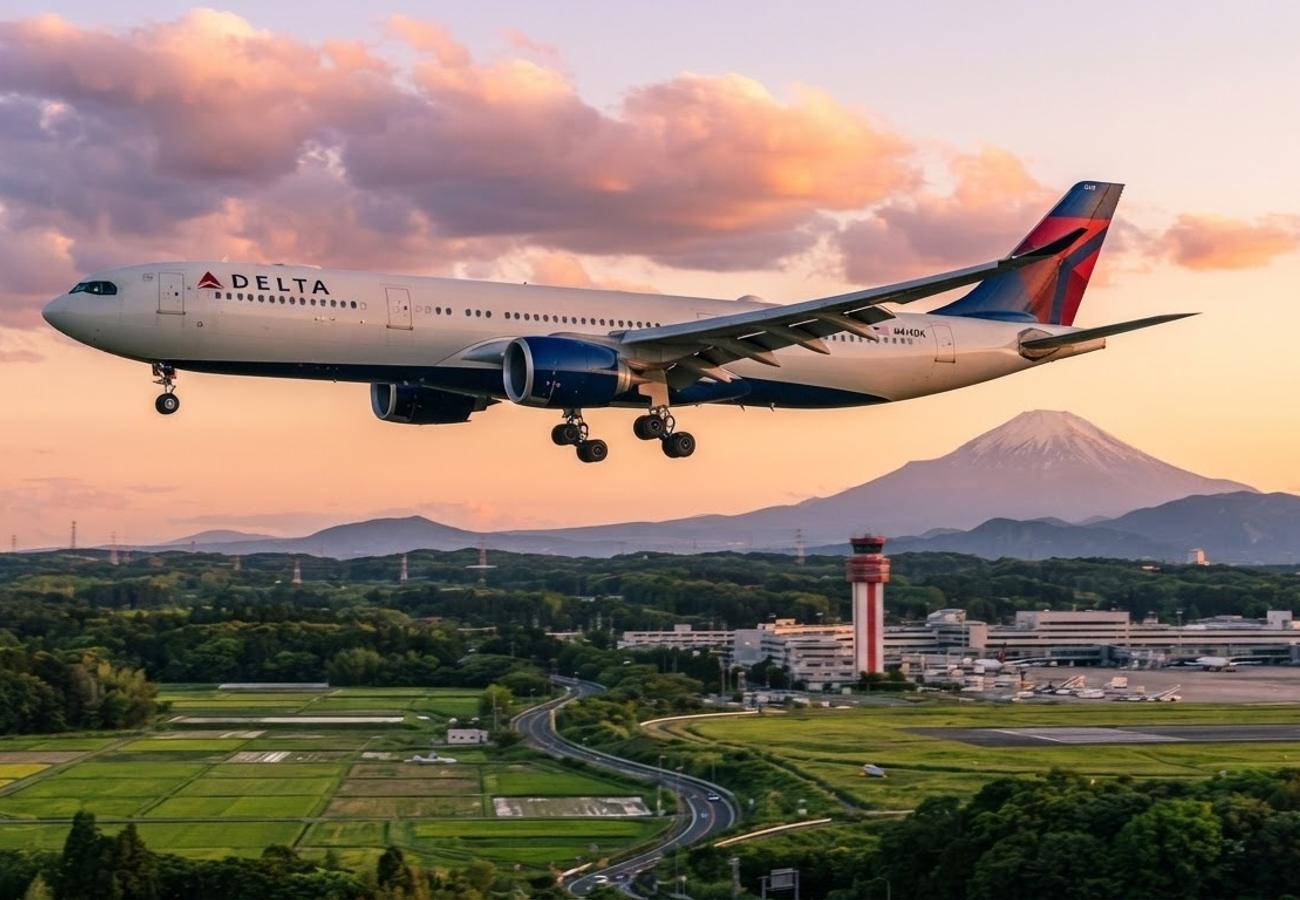
Image generated by AI
Japan's aviation landscape is shifting as Delta Air Lines ends a seven-year hiatus by restoring nonstop service between the United States and Tokyo Narita International Airport. This strategic pivot signals a significant expansion in capacity to meet the relentless growth of North American travel to Japan.
The restoration of the Narita connection marks a departure from Delta's 2020 strategy, which saw the carrier migrate the bulk of its Tokyo operations to Haneda Airport. While Haneda remains prized for its proximity to the city center, the return to Narita indicates that demand has now surpassed the capacity of a single-airport strategy.
Strategic Shift in Tokyo's Aviation Network
For nearly a decade, the industry trend favored Haneda Airport due to its accessibility for business travelers. Delta followed this trajectory in 2020, prioritizing the convenience of central Tokyo access. However, the current market environment has evolved, necessitating a dual-airport approach to capture diverse passenger segments.
Narita International Airport remains a powerhouse for long-haul operations. Its robust infrastructure and ability to accommodate the largest international aircraft make it an essential gateway for the Kanto region. By returning to Narita, Delta is not merely adding flights but is reclaiming a vital piece of infrastructure that serves different traveler needs than Haneda.
Impact on Tourism and Regional Accessibility
The renewed service arrives during a period of unprecedented interest in Japan. The country's appeal—ranging from the futuristic streets of Tokyo to the traditional temples of Kyoto—has created a surge in leisure demand that requires more flexible entry points.
While Haneda is the primary choice for those heading straight into the urban core, Narita provides a strategic advantage for travelers exploring the wider Kanto region. This includes easier access to:
- Mount Fuji: The iconic peak remains a top priority for first-time visitors.
- Nikko: Famous for its UNESCO World Heritage sites.
- Chiba: Offering coastal attractions and regional countryside experiences.
By diversifying its landing points, Delta allows passengers to optimize their itineraries based on their final destination within Japan, reducing transit times for those not staying in central Tokyo.
Strengthening the US-Japan Economic Corridor
Beyond leisure, the restoration of the Narita route serves as a critical artery for bilateral trade and corporate diplomacy. The economic relationship between the US and Japan remains deeply integrated across several high-value sectors:
- Technology and Innovation: Continuous exchange of talent and intellectual property.
- Finance and Manufacturing: Essential corporate travel for executive oversight and plant management.
- Academic Exchanges: Facilitating research and educational partnerships.
Business travelers often prioritize schedule reliability and airport choice. The availability of both Narita and Haneda options allows corporate entities to select flights that align with their specific meeting locations and time constraints.
Delta's Broader Asia-Pacific Strategy
This move is a component of a larger realignment within Delta’s Pacific network. The airline is actively adjusting its capacity to match post-pandemic travel patterns, which show a strong preference for direct, long-haul connectivity.
Japan continues to be the anchor of Delta's Asia-Pacific operations. The decision to return to Narita demonstrates a confidence in the long-term growth of the Japanese market and a willingness to adapt network structures to avoid bottlenecks at Haneda.
Traveler Guide: Choosing Between Narita and Haneda
With Delta now operating at both gateways, passengers must make a strategic choice when booking. The decision typically hinges on three factors:
1. Destination Proximity Haneda is the clear winner for those staying in central Tokyo. Narita is often more convenient for those heading to the outskirts of the city or utilizing regional rail links to other prefectures.
2. Facility Requirements Narita is specifically designed for massive international volumes and often provides a different scale of international transit facilities compared to the more compact, efficiency-driven layout of Haneda.
3. Cost and Logistics Transportation from Narita to the city center is generally longer and more expensive than from Haneda. Travelers should weigh the flight price against the ground transport cost.
Japan's Primary Tourism Hubs
The expansion of air capacity supports the growth of several key destinations across the archipelago:
| Destination | Primary Appeal | Traveler Profile |
|---|---|---|
| Tokyo | Tech, Entertainment, Modernity | All Segments |
| Kyoto | Temples, Traditional Culture | Cultural Tourists |
| Osaka | Gastronomy, Nightlife | Foodies & Leisure |
| Hokkaido | Nature, Winter Sports | Adventure Travelers |
| Okinawa | Beaches, Marine Tourism | Vacationers |
A strategic return to Narita ensures that Japan remains one of the most accessible and attractive destinations in the global travel market.
Key Takeaways
- Service Restoration: Delta returns to Tokyo Narita after a seven-year gap.
- Network Diversification: Delta now utilizes both Haneda and Narita to serve different passenger needs.
- Regional Boost: Increased connectivity benefits the Kanto region, including Mount Fuji and Nikko.
- Economic Link: The route strengthens corporate and academic ties between the US and Japan.
FAQ
Why did Delta leave Narita seven years ago? Delta shifted operations to Haneda in 2020 to take advantage of the airport's closer proximity to central Tokyo and changes in international slot availability.
Which airport is better for first-time visitors? Haneda is generally more convenient for those staying in the city center, while Narita is excellent for those planning to visit the wider Kanto region or seeking extensive international terminal facilities.
Does this route only serve leisure travelers? No. While tourism is a major driver, the route is essential for corporate travel in finance, technology, and manufacturing sectors.
Related Travel Guides
Disclaimer
This article is for informational and educational purposes only. It does not constitute legal, financial, or professional advice. While we strive to provide accurate and up-to-date information, travel policies, regulations, and conditions change rapidly. Always verify information with official sources before making travel decisions. Nomad Lawyer makes no representations about the accuracy, reliability, completeness, or suitability of the information provided. Readers should consult qualified professionals for advice specific to their circumstances. The views expressed in this article are those of the author and do not necessarily reflect the views of Nomad Lawyer.
Raushan Kumar
Founder & Lead Developer
Full-stack developer with 11+ years of experience and a passionate traveller. Raushan built Nomad Lawyer from the ground up with a vision to create the best travel and law experience on the web.
Learn more about our team →