
Delta Starlink Snub: Musk Criticizes Airline's Amazon Kuiper Choice
Delta Air Lines selected Amazon's Kuiper over Elon Musk's Starlink for inflight WiFi in 2026, triggering public criticism from the SpaceX CEO. The decision reshapes airline connectivity competition.

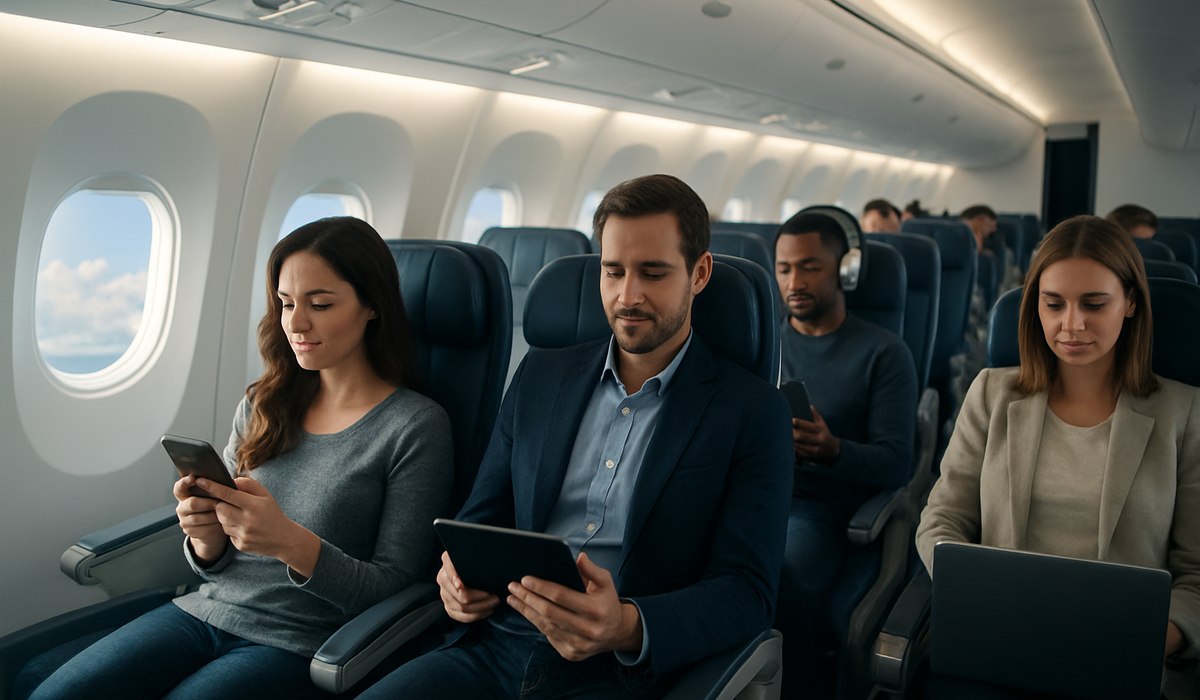
Image generated by AI
Delta Air Lines Selects Amazon Over Starlink, Sparking Musk Controversy
Delta Air Lines, Atlanta's flagship carrier and a pillar of the SkyTeam alliance, has made headlines by choosing Amazon's Kuiper satellite network over SpaceX's Starlink for its next-generation inflight WiFi infrastructure. The decision prompted Elon Musk to publicly criticize the major U.S. legacy carrier on social media, highlighting a growing competitive rift in the satellite internet space. This strategic shift signals how airlines evaluate connectivity partnerships and what factors influence billion-dollar infrastructure decisions in 2026.
The Decision: Why Delta Chose Amazon Kuiper
Delta's procurement team evaluated multiple satellite internet providers before committing to Amazon's Kuiper platform for fleet-wide deployment. Industry analysts attribute the selection to several technical and financial factors. Amazon's Kuiper offers lower-latency connections compared to Starlink's existing constellation, with projected speeds exceeding 400 megabits per second. Cost structures also played a role, with Amazon reportedly offering competitive pricing and integration support for airline operations.
The carrier cited reliability requirements for premium cabin passengers and frequent flyer members as a primary consideration. Delta operates over 900 aircraft across domestic and international routes, requiring a scalable, redundant connectivity solution. Kuiper's advanced ground infrastructure and integration with Amazon Web Services cloud architecture aligned with Delta's modernization roadmap. The airline expected deployment to begin in 2026, with full fleet coverage targeted by 2028.
FlightAware tracks real-time aircraft connectivity and performance metrics, allowing travelers to monitor inflight services during transitions between providers.
Musk's Public Response and Criticism
Elon Musk responded swiftly on social media, characterizing Delta's choice as misguided and suggesting Starlink's technology offered superior performance metrics. The SpaceX CEO highlighted Starlink's existing deployment across hundreds of aircraft and its proven track record with other carriers. Musk's criticism extended to Amazon's timeline, claiming Kuiper would experience delays compared to Starlink's operational constellation.
The public dispute reflects broader competitive tensions in the satellite internet market. Starlink currently serves airlines including United, American, and Southwest, establishing an installed user base across North American airspace. Musk's comments underscored Starlink's speed advantages and claimed cost efficiencies, positioning the company's technology as industry-leading for aviation connectivity.
Delta remained measured in its response, emphasizing that the Kuiper partnership aligned with long-term infrastructure investment and passenger experience objectives. The airline did not directly engage with Musk's criticism, instead reaffirming its commitment to delivering world-class inflight internet to all passengers.
Competitive Implications for Starlink and Inflight Connectivity Markets
Delta's decision carries significant implications for Starlink's aviation expansion strategy. The carrier represents approximately 19% of U.S. domestic seat capacity, commanding substantial negotiating power with technology providers. Losing Delta to a competitor signals potential market share erosion as other major carriers evaluate their connectivity contracts during renewal cycles.
Amazon's Kuiper initiative gains credibility through Delta's endorsement, validating years of development investment and satellite constellation deployment. The partnership strengthens Amazon's position in aviation connectivity, a vertical market projected to exceed $4.5 billion annually by 2030. Other airlines may follow Delta's precedent, accelerating Kuiper's adoption across international carriers.
Starlink retains competitive advantages including faster deployment timelines and existing operational relationships. However, the Delta snub demonstrates that technical superiority alone doesn't guarantee market dominance. Airlines weigh contractual flexibility, pricing structures, international coverage, and long-term provider stability when selecting connectivity partners.
FAA regulations govern inflight internet equipment certification and deployment standards, requiring all providers to meet rigorous safety and performance benchmarks.
Timeline: What's Next for Inflight Connectivity Rollout
Delta's transition to Amazon Kuiper will occur in phases across its regional and mainline fleets. First-priority aircraft include Airbus A350 and Boeing 787 widebody jets serving premium transatlantic and transpacific routes. Regional carriers operating Delta Connection flights will receive upgrades by mid-2027. The carrier committed to maintaining Starlink service on affected aircraft until Kuiper systems are fully operational and tested.
Amazon projects completing Kuiper's initial constellation deployment by late 2026, enabling broader airline partnerships and commercial operations. The timeline positions Kuiper for competitive capability with Starlink's established network by early 2027. International carriers from Europe, Asia, and the Middle East may announce Kuiper partnerships pending successful Delta implementation results.
Travelers should expect improved bandwidth and reduced latency during Delta flights equipped with Kuiper technology. Streaming video, video conferencing, and real-time communications will benefit from lower-latency connections. However, service interruptions may occur during transition periods as legacy Starlink equipment is replaced with Kuiper receivers on specific aircraft types.
What This Means for Travelers
Traveler Action Checklist
1. Check your flight equipment before booking Visit Delta's website or call reservations to confirm whether your scheduled aircraft has Starlink or Kuiper connectivity. Older regional jets may retain legacy systems longer than mainline widebodies.
2. Download offline content for uncertain transition periods Stream movies, podcasts, and documents to your devices before departure. Connectivity may be intermittently unavailable during the 18-24 month transition window.
3. Monitor Delta's inflight technology announcements Subscribe to Delta's official mobile app notifications for updates on WiFi upgrades affecting your frequent routes. Early adopters of Kuiper aircraft gain competitive advantages.
4. Verify connectivity coverage on international routes Confirm that your preferred international destination has active satellite coverage. Kuiper's deployment prioritizes transatlantic and transpacific corridors initially.
5. Test your WiFi connection immediately after departure Connect devices during the first 15 minutes of flight to diagnose connectivity issues early. Report problems to flight attendants for documentation.
6. Use Delta's WiFi Pass options strategically Delta offers monthly subscriptions, day passes, and annual plans. Kuiper's superior speeds may justify upgrading from economy to premium connectivity tiers.
Key Data: Delta Starlink Snub Facts and Figures
| Metric | Details |
|---|---|
| Aircraft Affected | 900+ Delta mainline and regional jets |
| Deployment Timeline | Phases throughout 2026–2028 |
| Expected Speeds | 400+ Mbps peak (Kuiper vs. 150 Mbps Starlink) |
| Primary Routes | Transatlantic, transpacific, North American transcontinental |
| Financial Scope | Multi-billion dollar infrastructure investment |
| Competitive Status | Starlink serves United, American, Southwest; Kuiper gains Delta |
| Passenger Impact | Estimated 180+ million annual Delta passengers affected |
FAQ: Delta Starlink Musk Connectivity Questions
Q: Will Delta remove Starlink from all aircraft immediately? No. Delta will transition aircraft to Kuiper in phases through 2028, maintaining Starlink service until replacement equipment is installed and tested on each aircraft type. This gradual approach minimizes operational disruptions.
Q: Does Amazon Kuiper offer better WiFi than Starlink on flights? Kuiper promises lower latency and higher bandwidth. Early technical specifications suggest 400+ Mbps peak speeds versus Starlink's 150 Mbps. Real-world performance will depend on satellite constellation maturity and ground infrastructure deployment.
**Q: Why did Elon Musk publicly criticize Delta's decision
Disclaimer
This article is for informational and educational purposes only. It does not constitute legal, financial, or professional advice. While we strive to provide accurate and up-to-date information, travel policies, regulations, and conditions change rapidly. Always verify information with official sources before making travel decisions. Nomad Lawyer makes no representations about the accuracy, reliability, completeness, or suitability of the information provided. Readers should consult qualified professionals for advice specific to their circumstances. The views expressed in this article are those of the author and do not necessarily reflect the views of Nomad Lawyer.
Kunal K Choudhary
Co-Founder & Contributor
A passionate traveller and tech enthusiast. Kunal contributes to the vision and growth of Nomad Lawyer, bringing fresh perspectives and driving the community forward.
Learn more about our team →