
Delta A330 Flight DL251 Diverts to Porto After Cabin Smoke: Transatlantic Safety and EU261 Guide

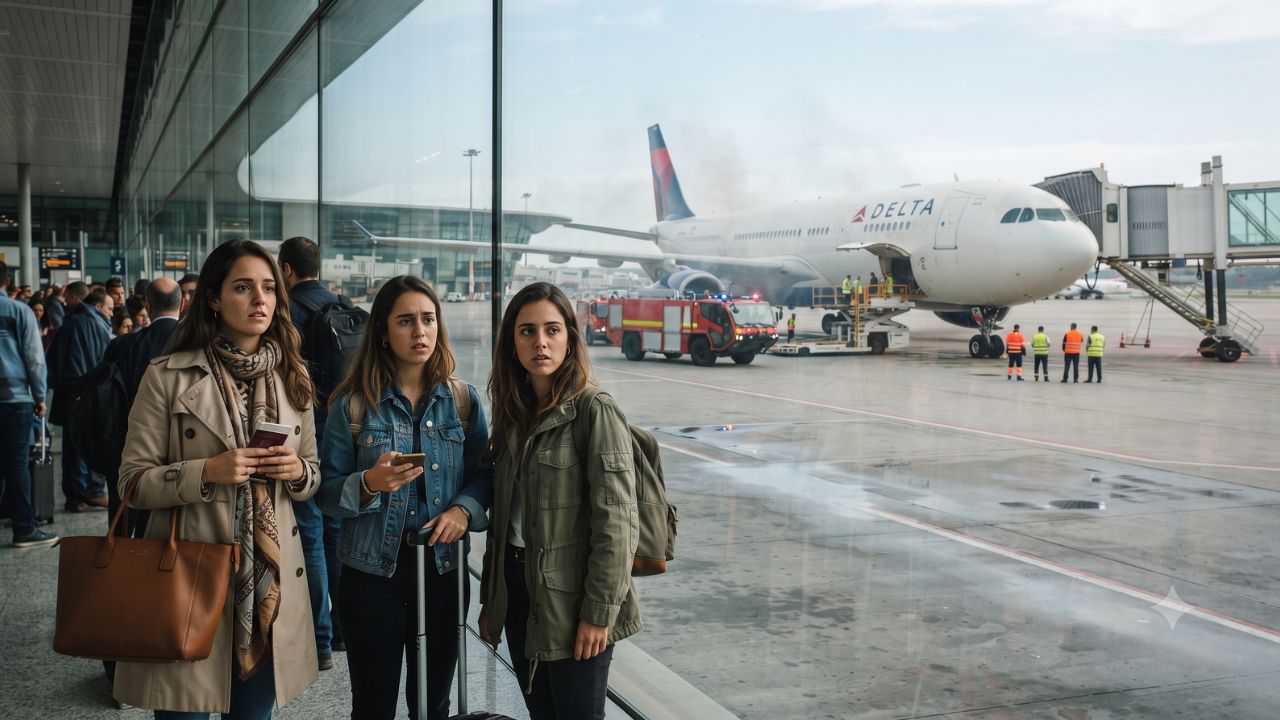
When smoke penetrates the pressurized cabin of a wide-body jet cruising at 32,000 feet over the open Atlantic, pilots have fewer than thirty minutes to identify an emergency diversion runway before options narrow to open water. On Sunday afternoon, Delta Air Lines flight DL251 carrying 296 passengers and crew from Barcelona to Boston executed an immediate descent into Portugal's Francisco Sá Carneiro Airport in Porto after thick fumes engulfed the cabin. The emergency diversion resulted in four hospitalizations, twelve passengers requiring emergency oxygen, and eight individuals receiving on-tarmac medical treatment, underscoring the demanding operational protocols governing transatlantic air safety.
Flight DL251: Anatomy of an Atlantic Emergency Descent
The scheduled transatlantic flight departed Barcelona-El Prat Airport at 3:15 PM on Sunday, bound for Boston Logan International Airport on what was planned as an eight-and-a-half-hour non-stop flight. Operating an Airbus A330 wide-body jet, the aircraft climbed across northern Spain and reached its oceanic cruising altitude of 32,000 feet.
Approximately two and a half hours into the journey, unexplained smoke entered the passenger cabin, prompting the flight deck to declare a Pan-Pan emergency and execute a sharp southward turn toward the Portuguese coastline. Air traffic controllers cleared DL251 for an immediate approach into Francisco Sá Carneiro Airport (Porto), where municipal fire units and mobile ambulances were positioned along the runway.
Following touchdown, emergency medical teams boarded the aircraft to triage passengers. Three travelers and one flight attendant were transported to a regional hospital for observation, with two male passengers treated for mild smoke inhalation. Delta subsequently cancelled the replacement departure scheduled from Porto at 1:00 PM on Monday, arranging alternative rebookings and hotel accommodations while staging a separate Boston-bound flight out of Barcelona.
Why In-Flight Cabin Smoke Demands Immediate Diversion
Unlike minor cabin discomforts, smoke or toxic fumes inside an aircraft compartment represent one of commercial aviation's most serious challenges. As detailed by the Federal Aviation Administration, potential sources range from air conditioning pack seal degradation and electrical insulation failure to cargo hold heating and auxiliary power unit blowback:
- Rapid Oxygen Depletion: Pressurized air systems circulate conditioned air throughout the cabin; uncontained smoke degrades passenger respiration and cockpit visibility within minutes.
- Thermal Runway Risks: Flight crews cannot physically inspect wiring behind sidewall panels, requiring immediate landings regardless of whether open flames are visible.
- Geographical Isolation: Once an aircraft proceeds beyond coastal Portugal and Ireland, transatlantic diversion fields become limited to Iceland or the Azores, making Porto the optimal Iberian safety gateway.
Passenger Rights and EU Regulation 261/2004 Protections
Because flight DL251 originated at Barcelona-El Prat within the European Union, all 296 passengers fall under the jurisdiction of EU Regulation 261/2004 (EU261), regardless of their nationality or ticket class:
- Mandatory Duty of Care: The operating carrier must provide complimentary hotel accommodation, ground transportation between the terminal and lodging, meal vouchers, and telephone communication access throughout the delay.
- Rerouting vs. Reimbursement: If alternative flights delay arrival by more than five hours, passengers can opt for a full refund of unused flight segments or request rebooking onto partner airlines at the earliest available opportunity.
- Compensation Caveats: Under EU law, technical defects arising from sudden mechanical failure or airworthiness emergencies can be evaluated as extraordinary circumstances, exempting airlines from standard €600 statutory compensation if reasonable prevention measures were taken.
Passenger Insider Tips During Cabin Emergencies and Diversions
- Never Attempt to Retrieve Overhead Bags: During smoke advisories or precautionary evacuations, leaving hand luggage behind saves lives by keeping aisles clear and preventing slide punctures.
- Retain All Original Boarding Documents: Preserve your physical boarding passes, baggage claim stubs, and any written disruption notices issued by ground staff in Porto.
- Track Out-of-Pocket Incidental Expenses: Keep itemized receipts for hotel meals, taxi rides, essential toiletries, and overseas phone calls incurred while waiting for replacement flights.
- Cross-Check Onward Connections Independently: If connecting in Boston to domestic carriers like Delta Connection or regional rail lines, contact booking agents immediately to adjust ticket itineraries before initial flights show as missed.
Cultural and Aviation Context in Porto's Maritime Gateway
Positioned along Portugal's northern Atlantic coastline, Porto's Francisco Sá Carneiro Airport serves not only as the cultural gateway to the UNESCO World Heritage Centre inscribed Historic Centre of Porto and the Douro Wine Region, but also as a vital emergency landing harbor for transatlantic routes between Southern Europe and the Americas.
The swift coordination between Portuguese civil protection authorities, local hospitals, and international airline dispatchers highlights the integrated safety infrastructure protecting international aviation corridors along the Atlantic seaboard.
FAQ: Delta Flight DL251 Porto Diversion 2026
Why did Delta flight DL251 divert to Porto, Portugal?
Delta flight DL251 from Barcelona to Boston diverted to Porto after unexplained smoke filled the passenger cabin two and a half hours into the flight.
Were passengers injured during the DL251 emergency landing?
Four people (three passengers and one crew member) were hospitalized for mild smoke inhalation, while twelve received oxygen and eight were treated on the tarmac.
Does EU Regulation 261 apply to this flight disruption?
Yes. Because the flight departed from Barcelona (an EU member state), passengers are entitled to duty of care assistance including hotels, meals, and rerouting under EU261.
What aircraft type was involved in the emergency?
The flight was operated by a Delta Air Lines Airbus A330 wide-body passenger aircraft carrying 296 people.
Related Travel Guides
- Porto Francisco Sá Carneiro Airport Transit and Terminal Guide
- EU261 Air Passenger Rights: Claiming Compensation for Delays and Cancellations
- Transatlantic Aviation Safety and Oceanic Airspace Navigation
In long-haul aviation, safety protocols and prompt diversion decisions ensure that unexpected crises resolve with human life protected above all else.
Disclaimer
This article is for informational and educational purposes only. It does not constitute legal, financial, or professional advice. While we strive to provide accurate and up-to-date information, travel policies, regulations, and conditions change rapidly. Always verify information with official sources before making travel decisions. Nomad Lawyer makes no representations about the accuracy, reliability, completeness, or suitability of the information provided. Readers should consult qualified professionals for advice specific to their circumstances. The views expressed in this article are those of the author and do not necessarily reflect the views of Nomad Lawyer.
Kunal K Choudhary
Co-Founder & Contributor
A passionate traveller and tech enthusiast. Kunal contributes to the vision and growth of Nomad Lawyer, bringing fresh perspectives and driving the community forward.
Learn more about our team →