
Delta Air Lines Charts Premium-Focused Strategy With Airbus A330-900neo London Rollout
Breaking airline news and aviation industry updates for 2026.

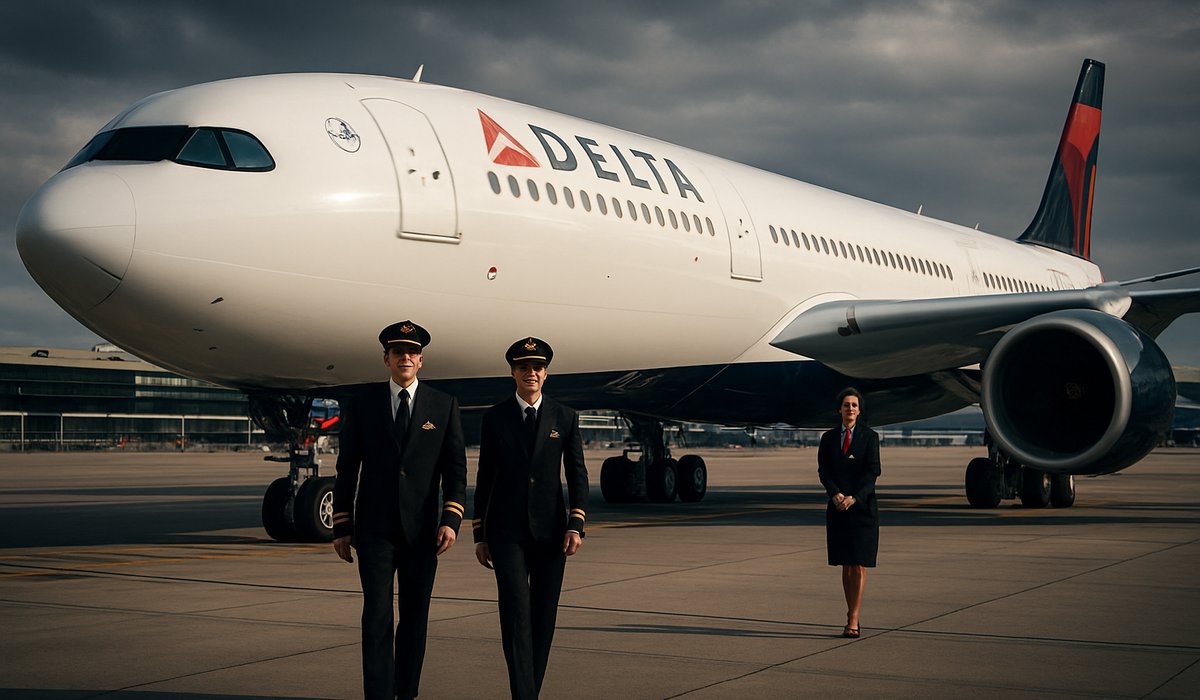
Image generated by AI
Delta Air Lines Charts Premium-Focused Strategy With Airbus A330-900neo London Rollout
Carrier prioritizes high-margin cabin configurations as it restructures long-haul fleet to capitalize on robust business travel demand
Premium Seating Becomes Strategic Priority
Delta Air Lines is doubling down on premium cabin revenues with an aggressive fleet reconfiguration strategy centered on its incoming Airbus A330-900neo wide-body jets. During its first-quarter earnings presentation, the Atlanta-based carrier emphasized premium capacity expansion across 22 separate discussion points, signaling that high-margin seating has become central to the airline's post-pandemic recovery and profitability roadmap.
The carrier's London-bound A330-900neo aircraft will feature significantly higher premium seat allocations compared to the aging jets it replaces, reflecting Delta's deliberate pivot toward premium revenue streams as airlines face persistent headwinds from elevated jet fuel prices and operational costs.
Strategic Fleet Modernization Underway
The A330-900neo deployment to transatlantic routes marks a critical inflection point in Delta's international expansion plans. The ultra-modern wide-body aircraft—known for its fuel efficiency and extended range capabilities—will be configured to maximize premium economy, business, and first-class capacity, allowing the carrier to capture higher ticket yields on lucrative North Atlantic routes.
This move aligns with broader industry trends, where legacy carriers increasingly rely on premium revenue growth to offset margin compression from fuel surcharges and baggage fees failing to keep pace with operational expenses. Delta's messaging indicates that premium demand remains resilient despite macroeconomic uncertainty, with premium revenue expanding faster than overall airline revenues.
Industry Context: Premium Over Volume
The strategy reflects shifting post-pandemic travel patterns. Business and premium leisure travelers—less price-sensitive than economy segments—continue booking premium cabins on long-haul routes despite carrier baggage charges and ancillary fees averaging $50-$100 per passenger. Meanwhile, jet fuel volatility continues pressuring legacy carriers to maximize revenue per available seat mile through premium cabin optimization rather than capacity increases.
Delta's premium-heavy A330-900neo configuration underscores how modern aircraft deliveries are being weaponized in the competitive transatlantic market. Rivals including United Airlines and American Airlines have similarly prioritized premium reconfigurations across their widebody fleets as carriers compete for corporate travel contracts and premium leisure segments.
The airline's emphasis on premium growth also reflects recognition that airline fees alone—whether baggage charges, seat selection fees, or fuel surcharges—cannot sustain profitability amid current industry cost pressures. Premium cabin fares, by contrast, remain structurally supported by strong demand from Fortune 500 companies and high-net-worth leisure travelers.
FAQ: Airline Premium Strategy and Long-Haul Travel
Q: Why are airlines prioritizing premium cabins on new aircraft? A: Premium cabins generate significantly higher revenue per seat and less price elasticity than economy, allowing carriers to maintain margins amid elevated jet fuel prices and operational costs.
Q: What is the A330-900neo's advantage for transatlantic routes? A: The aircraft offers superior fuel efficiency and range compared to older widebodies, reducing per-seat fuel costs while enabling higher premium capacity allocations.
Q: How do airline baggage fees relate to premium cabin strategy? A: Baggage charges and ancillary fees provide modest margin support, but premium cabin fares remain the primary lever for revenue growth in competitive long-haul markets.
Q: Are business travelers returning to premium cabins? A: Yes, corporate travel demand has remained robust post-pandemic, particularly on premium transatlantic routes where Delta is deploying new aircraft.
Q: What does premium-heavy configuration mean for economy passengers? A: Aircraft are being designed with reduced economy seat counts, potentially limiting low-fare availability and pushing price-sensitive travelers toward reduced seating or longer connection times.
Related Travel Guides
Flight Delay Compensation Guide 2026
Understanding Airline Route Changes
Airport Security Process Updated (2026)
External Resources
Disclaimer
This article is for informational and educational purposes only. It does not constitute legal, financial, or professional advice. While we strive to provide accurate and up-to-date information, travel policies, regulations, and conditions change rapidly. Always verify information with official sources before making travel decisions. Nomad Lawyer makes no representations about the accuracy, reliability, completeness, or suitability of the information provided. Readers should consult qualified professionals for advice specific to their circumstances. The views expressed in this article are those of the author and do not necessarily reflect the views of Nomad Lawyer.
Kunal K Choudhary
Co-Founder & Contributor
A passionate traveller and tech enthusiast. Kunal contributes to the vision and growth of Nomad Lawyer, bringing fresh perspectives and driving the community forward.
Learn more about our team →