
Delta CEO Rarely Flies Business Class Despite Building Premium Brand Empire—Here's the Strategic Reason
Breaking airline news and aviation industry updates for 2026.

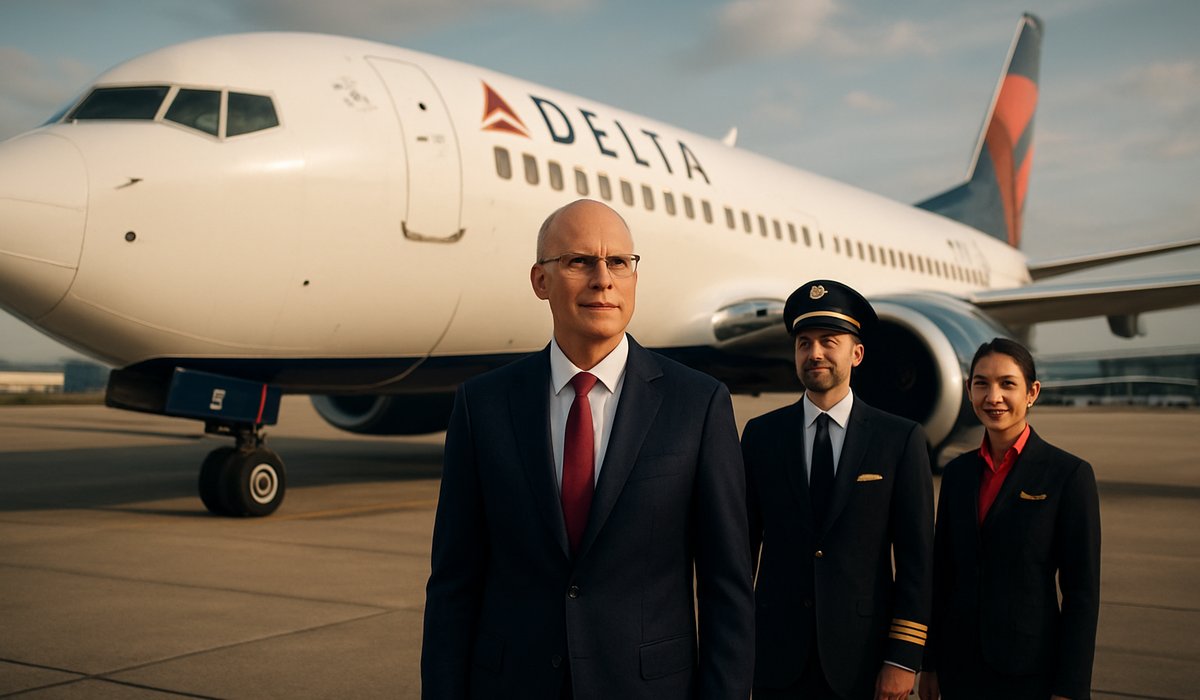
Image generated by AI
Delta CEO Rarely Flies Business Class Despite Building Premium Brand Empire—Here's the Strategic Reason
The executive leading the airline's luxury cabin revolution chooses economy seats, signaling a deeper corporate philosophy
The Premium Paradox at Delta Air Lines
Ed Bastian, the architect of Delta Air Lines' lucrative premium travel strategy, rarely experiences the very cabin products he has championed. The carrier's chief executive officer frequently travels in Main Cabin or Comfort+ seating rather than the airline's flagship Delta One Suites—a deliberate choice that reflects broader corporate values at one of the world's largest aviation operators.
This counterintuitive approach stands in stark contrast to Delta's aggressive expansion of high-margin premium offerings. Over the past decade, the Atlanta-based carrier has invested heavily in business-class innovation, including its signature suites featuring direct-aisle access and closing doors, curated wine selections sourced through master sommeliers, and premium bedding amenities designed to capture wealthy business travelers and premium leisure passengers.
Strategic Leadership Through Restraint
Bastian's seating preference appears to stem from a calculated leadership philosophy rather than cost concerns. By routinely occupying standard cabin seats, the CEO maintains direct exposure to the passenger experience shared by the majority of Delta's customer base—approximately 90% of whom fly economy or premium economy cabins. This approach mirrors practices at other major carriers where senior executives periodically audit standard cabin conditions to identify service gaps and operational inefficiencies.
The strategy aligns with Delta's broader competitive positioning. While the airline generates substantial revenues from premium cabin pricing—a critical profit driver in an industry where fuel costs continue fluctuating and operational margins remain pressured—the company recognizes that overall customer satisfaction depends on consistent service across all cabin classes.
Aviation Industry Context
The airline sector has increasingly relied on ancillary revenues, including baggage charges, seat selection fees, and premium cabin upgrades, to offset volatile jet fuel prices and labor cost inflation. Delta's premium cabin strategy contributes significantly to these revenue streams, yet maintaining operational credibility requires executive accountability across the entire service spectrum.
Bastian's choice underscores that brand leadership in aviation today demands authentic engagement with passenger realities rather than exclusive executive privilege—a message that resonates particularly as post-pandemic travel recovery has intensified competition for business traveler loyalty.
FAQ
Why does Delta's CEO avoid flying in premium cabins despite building them? Bastian maintains regular exposure to the standard cabin experience, which represents the reality for the vast majority of Delta's passengers. This approach enables direct assessment of service quality and operational performance across all cabin classes.
How do premium cabin revenues impact Delta Air Lines' financial performance? Business-class and premium economy fares generate disproportionately high margins. These cabins are critical to Delta's profitability strategy, particularly as fuel surcharges and operational costs remain elevated.
What is Delta One Suites, and why is it significant? Delta One Suites represents the airline's flagship international business-class product, featuring direct-aisle access, closing doors, lie-flat seating, and curated dining—designed to compete with premium offerings from international carriers.
How do airline baggage charges and premium fees affect overall travel costs? Ancillary fees (baggage, seat selection, premium cabins) have become essential revenue sources for airlines managing volatile jet fuel prices. Premium cabin pricing can add $2,000-$15,000+ to intercontinental fares.
Is executive cabin preference common in the aviation industry? While practices vary, many airline leaders periodically travel in standard cabins to maintain operational insight. However, frequent premium cabin use remains standard for most C-suite executives across global carriers.
Related Travel Guides
Flight Delay Compensation Guide 2026
Understanding Airline Route Changes
Airport Security Process Updated (2026)
External Resources
Disclaimer
This article is for informational and educational purposes only. It does not constitute legal, financial, or professional advice. While we strive to provide accurate and up-to-date information, travel policies, regulations, and conditions change rapidly. Always verify information with official sources before making travel decisions. Nomad Lawyer makes no representations about the accuracy, reliability, completeness, or suitability of the information provided. Readers should consult qualified professionals for advice specific to their circumstances. The views expressed in this article are those of the author and do not necessarily reflect the views of Nomad Lawyer.
Kunal K Choudhary
Co-Founder & Contributor
A passionate traveller and tech enthusiast. Kunal contributes to the vision and growth of Nomad Lawyer, bringing fresh perspectives and driving the community forward.
Learn more about our team →