
Delhi Withdraw Policy After Malviya Nagar Fire Kills 21
Delhi's tourism minister suspends the Bed and Breakfast accommodation policy in 2026 following a catastrophic fire at an unregulated Malviya Nagar hotel that claimed 21 lives and exposed critical safety compliance failures.

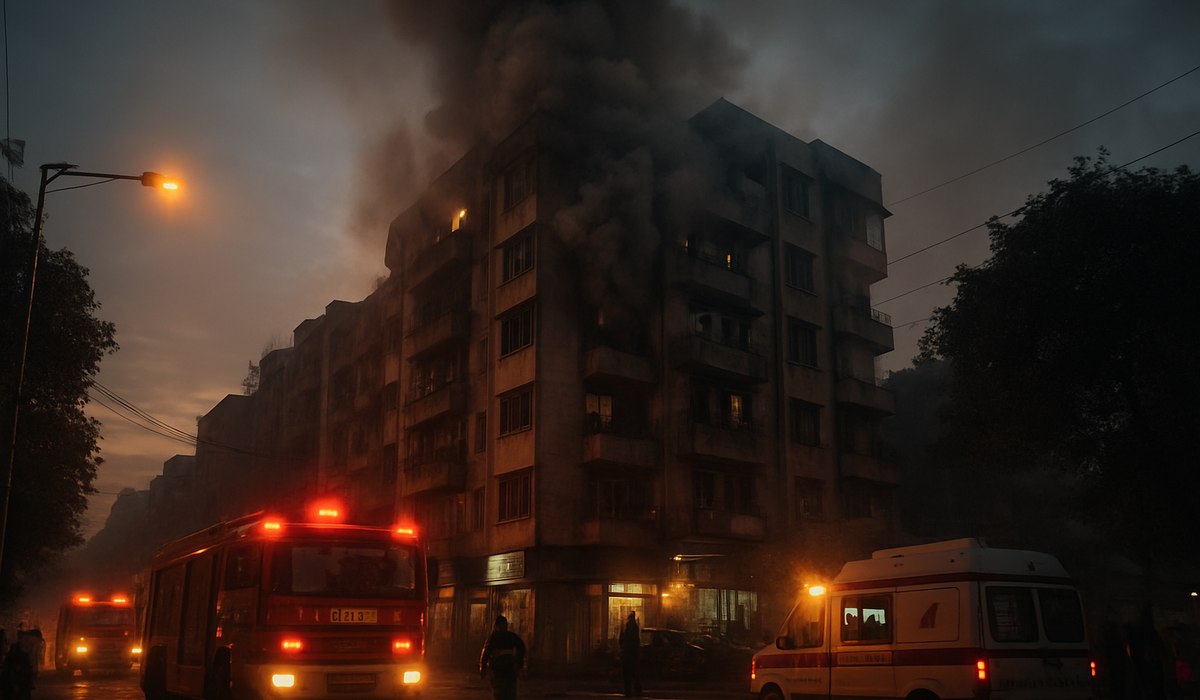
Image generated by AI
Delhi's Bed and Breakfast Policy Suspended After Fatal Fire
Delhi's tourism minister has announced an immediate withdrawal of the city's Bed and Breakfast accommodation policy following a devastating fire at an unregulated Malviya Nagar hotel that killed 21 people on June 4, 2026. The tragedy has exposed severe regulatory gaps in how budget accommodation establishments operate across the capital. Licensed hotels and guest houses now face intensive safety audits. The decision marks a significant shift in how Delhi manages its rapidly growing short-term rental and budget lodging sector.
Malviya Nagar Fire Exposes Regulatory Failures
The fire at the Malviya Nagar establishment revealed alarming violations that should have been caught by municipal authorities. The hotel allegedly operated far beyond its permitted capacity while lacking mandatory fire safety clearance from the Fire Department. Investigators found no functional fire extinguishers, blocked emergency exits, and inadequate emergency lighting throughout the building. The structure contained far more occupants than its legal occupancy limit allowed. Building bylaws were systematically ignored. The tragedy underscores how informal accommodations have proliferated without proper oversight. Many unlicensed establishments continue operating across Delhi's residential neighborhoods, prioritizing profit margins over guest safety. This incident has prompted the government to undertake comprehensive facility reviews across all tourism-related accommodations in the capital.
Delhi's B&B Policy Under Review
Delhi's Bed and Breakfast policy had permitted homeowners to rent spare rooms and small properties to tourists with minimal regulatory oversight. The framework was designed to boost budget tourism and provide homeowners with supplementary income. However, the policy lacked sufficient safety inspection protocols and enforcement mechanisms. Operators were supposed to maintain fire safety certificates, liability insurance, and emergency protocols. Many establishments ignored these requirements entirely. The tourism ministry now plans comprehensive policy revisions to establish stricter eligibility criteria before accommodation licenses are issued. Any future B&B framework will require mandatory third-party safety audits before operations begin. Government officials stated that no accommodation would receive approval without complete fire safety compliance documentation and regular inspection schedules.
Safety Compliance Crackdown on Licensed Establishments
All currently licensed hotels, guest houses, and hospitality establishments across Delhi face immediate safety reinspection orders. The municipal corporation and Fire Department are conducting joint audits of every permitted accommodation facility. Inspectors are verifying fire extinguisher availability, checking emergency exit accessibility, confirming structural integrity, and validating electrical systems. Establishments failing initial inspections must remediate violations within 30 days or face operational suspension. The Delhi Fire Department has published updated safety guidelines mandatory for all hospitality properties. Penalties for non-compliance range from substantial fines to permanent license revocation. Building owners must now submit quarterly compliance certification reports. Insurance companies are being required to validate safety standards before issuing hospitality liability policies, creating an additional enforcement layer beyond government oversight.
Impact on Delhi's Budget Accommodation Sector
The suspension of Delhi's withdraw policy significantly affects Delhi's tourism economy and hospitality workforce. Budget travelers and backpackers relied heavily on affordable Bed and Breakfast options for accommodation. Hotel industry representatives estimate the B&B sector contributed approximately 15-20% of Delhi's budget lodging capacity. Thousands of homeowners who operated B&B rentals now face immediate income disruption. Mid-range hotels anticipate increased booking demand as B&B alternatives disappear. The regulatory crackdown may accelerate formal licensing processes for legitimate operators willing to invest in safety compliance. Hospitality workers employed by informal accommodations now seek alternative employment. Tourism officials acknowledge potential short-term revenue impact but emphasize that guest safety cannot be compromised for economic considerations. Industry observers expect a consolidation toward larger, properly regulated establishments over the next 12-18 months.
Key Safety Data: Delhi Hospitality Standards
| Metric | Details | Status |
|---|---|---|
| Fire Safety Inspection Cycle | Now quarterly for all accommodations | Mandatory as of June 2026 |
| Emergency Exit Requirements | Minimum 2 accessible exits per floor | Non-negotiable compliance standard |
| Fire Extinguisher Provision | One per 50 square meters minimum | Enforcement begins immediately |
| Occupancy Limit Enforcement | Posted maximum guest capacity per room | Violations result in fines up to ₹50,000 |
| Insurance Documentation | Valid hospitality liability policy required | Must be current and verified |
| Staff Safety Training | Annual fire safety certification mandatory | First audit deadline: September 2026 |
What This Means for Travelers
Travelers planning visits to Delhi should understand how the delhi withdraw policy impacts accommodation options and what safeguards now exist:
-
Verify establishment licensing before booking – Confirm that your chosen hotel holds valid municipal registration and current fire safety certification from official government databases.
-
Prioritize established, branded accommodations – Larger hotel chains and properties with long operational histories have existing safety infrastructure and compliance records.
-
Ask about recent safety audits – Contact your hotel directly and request documentation showing recent fire safety inspections and compliance certificates.
-
Expect higher accommodation costs – Reduced supply of budget options may increase prices across Delhi's hospitality sector through late 2026 and into 2027.
-
Book accommodations with verified reviews – Platforms now displaying safety certification information help travelers identify properly regulated establishments.
-
Research neighborhood-specific guidelines – Different Delhi localities may have varying implementation timelines for new safety requirements; confirm local regulations apply to your chosen location.
Frequently Asked Questions
Q: Can I still book Bed and Breakfast accommodations in Delhi? The delhi withdraw policy suspends new B&B licenses and reviews existing ones. Many current B&B properties may close if they cannot meet new safety standards. Book only through verified platforms that display current safety certifications from official sources.
Q: How will I know if my hotel meets safety requirements? The government is developing a publicly accessible database of compliant accommodations with inspection status. Hotels should display current fire safety certificates prominently. Contact hotels directly requesting their latest inspection reports before confirming reservations.
Q: What should I do if I witness safety violations at an accommodation? Report concerns immediately to the Delhi Fire Department emergency line or municipal corporation. Document specific violations photographically when possible. Your report helps authorities enforce compliance and protects other travelers from similar risks.
Q: Are budget accommodation options still available in Delhi? Yes, but selection has narrowed significantly. Established budget hotel chains and properly licensed guest houses remain available. Prices may be higher as competition among compliant establishments increases through mid-2026.
Related Travel Guides
- American Airlines Pilots Launch Trading Card Program as Carriers Compete for Customer Engagement
- Global Aviation Titans Emirates, KLM, and Lufthansa Pivot to 'Supply Chain Survival' as Engine Part Costs Surge 200%: Major Industry Alert from CAPA Berlin Summit on Supply Chain Vulnerabilities and Travel Resilience
- Air France, Emirates, and Delta Trigger Massive Flight Cancellations Across Paris Hubs, Unleashing European Travel Chaos: Latest Airline News
Disclaimer
This article reports on official announcements from Delhi's Tourism Ministry and municipal authorities regarding accommodation policy changes effective June 2026. Information reflects government statements, Fire Department guidelines, and regulatory updates. Travelers should verify current accommodation licensing status through official sources including the Delhi Tourism official website and the Delhi Fire Safety Department. Before booking accommodations in Delhi, independently confirm fire safety certifications, current inspection status, and compliance documentation with individual establishments. Travel regulations and safety requirements continue evolving; verify with your accommodation provider and relevant authorities before travel.
Disclaimer
This article is for informational and educational purposes only. It does not constitute legal, financial, or professional advice. While we strive to provide accurate and up-to-date information, travel policies, regulations, and conditions change rapidly. Always verify information with official sources before making travel decisions. Nomad Lawyer makes no representations about the accuracy, reliability, completeness, or suitability of the information provided. Readers should consult qualified professionals for advice specific to their circumstances. The views expressed in this article are those of the author and do not necessarily reflect the views of Nomad Lawyer.
Preeti Gunjan
Contributor & Community Manager
A passionate traveller and community builder. Preeti helps grow the Nomad Lawyer community, fostering engagement and bringing the reader experience to life.
Learn more about our team →