
Delayed World Most: 2026's Long-Haul Routes Facing Unprecedented Chaos
Middle East tensions and fuel supply constraints are creating the delayed world most conditions in 2026. Long-haul routes face severe disruptions as airlines navigate regulatory changes and operational chaos affecting millions of travelers.

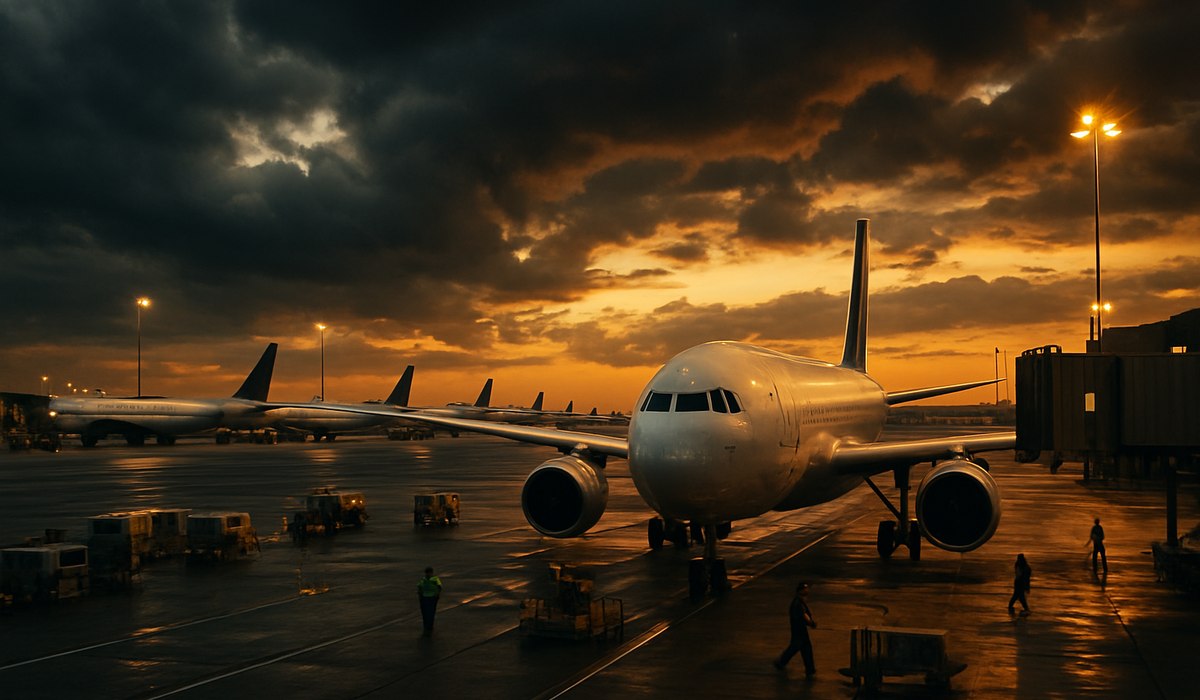
Image generated by AI
The Delayed World Most Conditions Taking Over Long-Haul Aviation in 2026
The aviation industry entered 2026 facing its most volatile operational period in decades. Geopolitical instability across the Middle East, coupled with constrained jet fuel supplies and newly implemented international regulations, has transformed long-haul travel into an unpredictable experience. Airlines operating transpacific, transatlantic, and Europe-to-Asia routes report cascading delays affecting millions of passengers. Major carriers including Emirates, Qatar Airways, Singapore Airlines, and Cathay Pacific are struggling to maintain schedules while managing fuel costs that have surged 35% year-over-year. This perfect storm of challenges means travelers booking international flights must now prepare for extended delays as the new normal.
Which Long-Haul Routes Face the Worst Delays in 2026?
Specific long-haul routes have emerged as delay hotspots throughout 2026. The Singapore-to-London corridor experiences average delays exceeding 4.5 hours, while Hong Kong-to-New York flights frequently face 3-6 hour postponements. Routes crossing the Middle East—including Delhi-to-Frankfurt and Bangkok-to-Amsterdam—suffer from airspace restrictions and unscheduled reroutes that add 2-3 hours to typical flight times.
Transpacific routes from Los Angeles International (LAX) to Tokyo Narita and San Francisco (SFO) to Sydney have become particularly problematic, with delays averaging 2.8 hours. The delayed world most impact hits hardest on connecting flights, where single-route delays cascade into missed connections. Airlines now recommend passengers on international itineraries build in 4-hour connection buffers instead of the traditional 2-3 hours.
You can track real-time delays and check your specific route status through FlightAware, which provides minute-by-minute updates on long-haul flight performance.
Why Middle East Instability Is Disrupting Global Aviation
Regional tensions have forced airlines to avoid traditional flight corridors through Iraqi, Syrian, and Iranian airspace. These diversions add 45 minutes to 2 hours to flight times while increasing fuel consumption. Carriers must now file alternative routes through European or southern corridors, creating bottlenecks at key transit hubs like Istanbul, Doha, and Dubai.
Airlines operating in this region face compounded pressure from insurance premiums that have doubled for flights over affected zones. The delayed world most scenario stems partially from these additional operational costs, which airlines absorb through reduced frequencies and increased consolidation of passenger loads. Middle Eastern airports themselves remain secure, but the surrounding airspace restrictions fundamentally alter routing logic for flights between Europe and Asia.
Insurance costs for operations in restricted zones now consume 8-12% of ticket revenue. This economic pressure translates directly into fewer flights and longer delays for passengers seeking these routes.
Jet Fuel Supply Constraints and Rising Operating Costs
Global jet fuel availability has tightened due to geopolitical supply disruptions and refinery capacity constraints. Prices have climbed from $2.15 per gallon in early 2025 to $2.87 per gallon by May 2026. This 33% increase forces airlines to reduce frequencies on less profitable routes and consolidate passengers onto fewer flights.
The delayed world most conditions amplify when fuel surcharges push operational costs beyond break-even thresholds. Airlines respond by intentionally spacing departures further apart, effectively creating a slowdown in long-haul traffic volumes. Fuel hedging contracts signed in 2024 provide minimal relief, leaving carriers vulnerable to continued price volatility.
Long-haul operations consume 5-6 times more fuel than short-haul flights. A single flight from New York to Tokyo burns approximately 57,000 gallons of Jet A fuel, making fuel price increases disproportionately impactful on international routes. Budget carriers have reduced long-haul capacity by 18% industry-wide, while full-service carriers maintain routes but with extended turnaround times between flights.
How Airlines Are Adapting to Unpredictable Traffic Flows
Major carriers have implemented dynamic scheduling protocols to respond to daily operational disruptions. Emirates increased crew buffer time by 2 hours on affected routes, while Cathay Pacific deployed additional spare aircraft at key hubs like Singapore and Hong Kong. Qatar Airways shifted departure windows to avoid peak congestion periods, effectively rescheduling many flights by 2-4 hours from traditional slots.
Airlines now invest heavily in predictive analytics platforms that forecast delays 72 hours in advance. These systems allow proactive rebooking and passenger communication, reducing cascading delays. However, the delayed world most environment still overwhelms these measures during periods of acute regional instability or refinery maintenance shutdowns.
Ground crews at major hubs report 15-20% slower processing times for long-haul aircraft due to expanded safety inspections and fuel reconciliation procedures. Turnaround times that once measured 90 minutes now stretch to 120 minutes, reducing aircraft utilization and forcing airlines to operate larger aircraft with potentially fuller loads.
Live Tracking and Passenger Notification Systems
Passengers can access real-time delay information through FlightAware, which aggregates FAA, IATA, and airline data. The FAA's website provides en route delay information and airspace status updates. For consumer protection information and delay compensation rules, the U.S. Department of Transportation maintains current regulations regarding airline responsibility.
EU-based passengers have additional protections under EC261 regulations, entitling them to compensation of €250-€600 for delays exceeding 3 hours on long-haul flights. U.S. passengers currently lack federal compensation mandates but may pursue claims through airline customer service departments or small claims court.
Many airlines now send SMS alerts and app notifications when delays exceed 90 minutes. Setting up automated alerts through your airline's mobile application ensures immediate awareness of schedule changes before arriving at the airport.
Key Data: Long-Haul Route Delays in 2026
| Route | Average Delay | Primary Cause | Affected Airlines | May 2026 Status |
|---|---|---|---|---|
| Singapore-London | 4.5 hours | Airspace restrictions, fuel stops | British Airways, Singapore Airlines | Critical |
| Hong Kong-New York | 3.8 hours | Transpacific congestion, weather | Cathay Pacific, United | Severe |
| Delhi-Frankfurt | 3.2 hours | Middle East routing | Lufthansa, Air India | Ongoing |
| Tokyo-Los Angeles | 2.8 hours | Transpacific congestion | ANA, JAL, United, American | Moderate-Severe |
| Bangkok-Amsterdam | 3.1 hours | Routing diversions | Thai Airways, KLM | Severe |
| Sydney-San Francisco | 2.9 hours | Pacific airspace constraints | Qantas, United | Ongoing |
What This Means for Travelers: Action Checklist
Navigating the delayed world most reality requires strategic planning and adaptive flexibility. Here's what you must do before booking or boarding long-haul flights:
-
Build connection buffer time to minimum 4 hours instead of 2-3 hours for international itineraries, accounting for increased rerouting probability.
-
Purchase travel insurance with delay reimbursement covering meals, accommodation, and rebooking costs exceeding 6 hours.
-
Check your airline's fuel surcharge policies and calculate total ticket cost including carrier-imposed fees before purchase.
-
Monitor Middle East airspace alerts 2 weeks before departure through FAA and IATA sources for potential routing changes.
-
**Enroll in
Raushan Kumar
Founder & Lead Developer
Full-stack developer with 11+ years of experience and a passionate traveller. Raushan built Nomad Lawyer from the ground up with a vision to create the best travel and law experience on the web.
Learn more about our team →