
Delta's Premium A321neo Fleet Hit with Fresh Delays: Lie-Flat Seats Now Not Expected Until 2028
Breaking airline news and aviation industry updates for 2026.

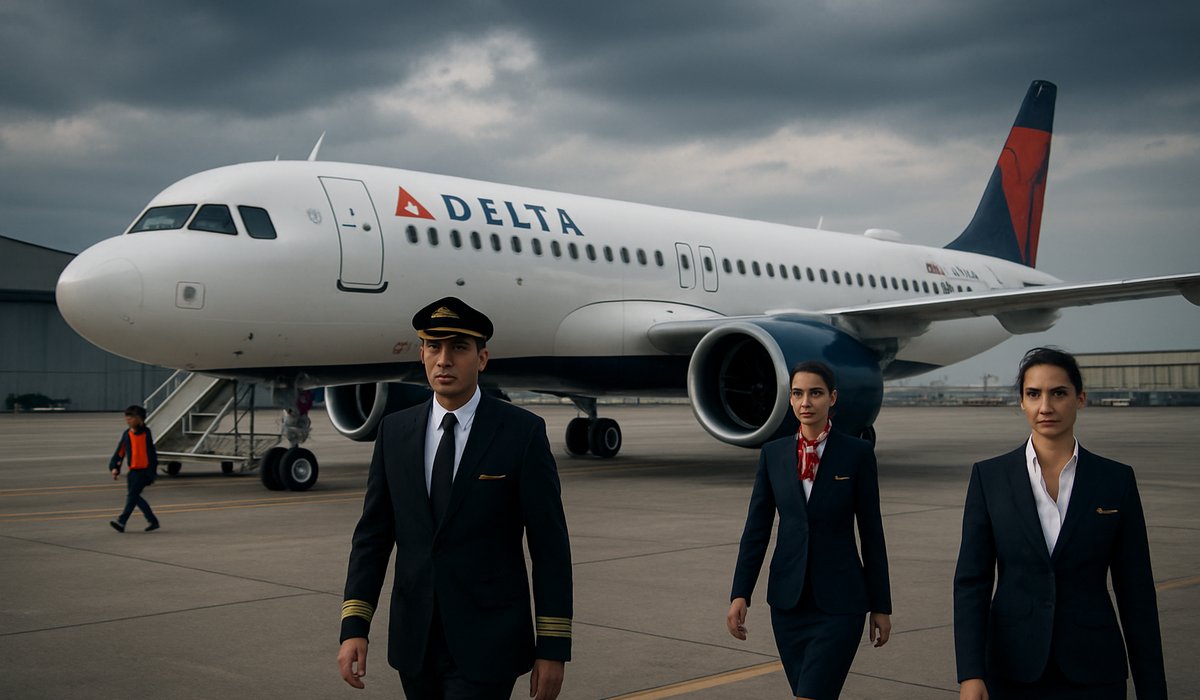
Image generated by AI
Delta's Premium A321neo Fleet Hit with Fresh Delays: Lie-Flat Seats Now Not Expected Until 2028
Supply chain bottlenecks and certification hurdles push back transcontinental aircraft rollout by four additional years
The Latest Setback in a Prolonged Modernization Battle
Delta Air Lines has announced another significant postponement to its high-stakes cabin upgrade program, revealing that its 44-seat Airbus A321neo aircraft will continue operating with standard first-class seating rather than premium lie-flat business beds until at least 2028. The latest delay marks the continuation of a saga that has already frustrated premium passengers and strained the carrier's competitive positioning on lucrative transcontinental routes.
The Atlanta-based airline had originally targeted late 2024 for deploying these aircraft with cutting-edge lie-flat seating configurations, but persistent certification and manufacturing challenges surrounding the next-generation seats have repeatedly derailed those ambitions. What was initially positioned as a rapid cabin modernization initiative has now stretched into a multi-year operational bottleneck.
A Cascading Series of Delays
This announcement represents the fourth major setback in Delta's A321neo cabin strategy, a development that underscores the complexity of integrating new aircraft technologies into commercial aviation. The certification process—designed to ensure passenger safety and regulatory compliance—has proven more rigorous than anticipated, with federal authorities requiring exhaustive testing protocols before approving the innovative seating systems for passenger operations.
The delays have broader implications for Delta's network strategy. The airline had envisioned deploying these aircraft on premium transcontinental and international routes where lie-flat seats command significant revenue premiums. Instead, the carrier continues fielding older narrowbody aircraft on these lucrative segments, potentially ceding market share to competitors who have already modernized their premium cabin offerings.
Industry Context: The Competitive Pressure
The extended timeline places Delta at a competitive disadvantage as rival carriers accelerate their own cabin upgrades. In an industry where premium cabin revenue can represent 25-30% of total airline earnings on long-haul routes, the delay carries substantial financial consequences. Fuel price volatility and labor cost increases have already pressured airline margins, making premium cabin optimization critical to profitability.
Passengers booked on Delta's A321neo flights will continue experiencing traditional first-class arrangements—spacious seats that recline to beds rather than lie-flat configurations—postponing the elevated travel experience the airline had promised. This affects frequent flyers and high-yield corporate clients who increasingly expect premium cabin amenities to justify premium pricing.
What Comes Next
Delta has not indicated whether further delays are anticipated, but the track record suggests cautious optimism at best. The airline remains committed to the modernization program, though the extended timeline suggests supply chain complexities and regulatory scrutiny will continue shaping the aviation industry's cabin upgrade trajectory.
Frequently Asked Questions
Why has Delta's A321neo cabin upgrade been delayed repeatedly? Certification challenges with the next-generation lie-flat business class seats have required extensive federal safety testing, pushing implementation timelines beyond original projections.
How do these delays impact airline fees and premium pricing? Extended delays prevent airlines from deploying premium revenue-generating cabin configurations, potentially affecting pricing strategies and passenger fees on premium cabin services.
What is the broader impact on the aviation industry? Certification bottlenecks affecting major carriers like Delta signal systemic supply chain challenges affecting aircraft cabin modernization across the industry, influencing travel costs and competitive dynamics.
How does jet fuel pricing relate to these cabin delays? While fuel costs don't cause certification delays, they increase the urgency for airlines to maximize premium cabin revenue—making the extended timeline more financially damaging during volatile fuel price environments.
Which airlines have successfully completed similar cabin upgrades? Competitors including American Airlines and United Airlines have deployed premium narrowbody configurations, creating market pressure for Delta to accelerate its modernization efforts.
Related Travel Guides
Flight Delay Compensation Guide 2026
Understanding Airline Route Changes
Airport Security Process Updated (2026)
External Resources
Disclaimer
This article is for informational and educational purposes only. It does not constitute legal, financial, or professional advice. While we strive to provide accurate and up-to-date information, travel policies, regulations, and conditions change rapidly. Always verify information with official sources before making travel decisions. Nomad Lawyer makes no representations about the accuracy, reliability, completeness, or suitability of the information provided. Readers should consult qualified professionals for advice specific to their circumstances. The views expressed in this article are those of the author and do not necessarily reflect the views of Nomad Lawyer.
Preeti Gunjan
Contributor & Community Manager
A passionate traveller and community builder. Preeti helps grow the Nomad Lawyer community, fostering engagement and bringing the reader experience to life.
Learn more about our team →