
Decarbonising intercity travel becomes economic and geopolitical imperative in 2026
As geopolitical tensions reshape global energy markets in 2026, decarbonising intercity travel shifts from climate aspiration to urgent economic strategy. Industry leaders now view fuel independence as critical for both emissions reduction and geopolitical resilience.

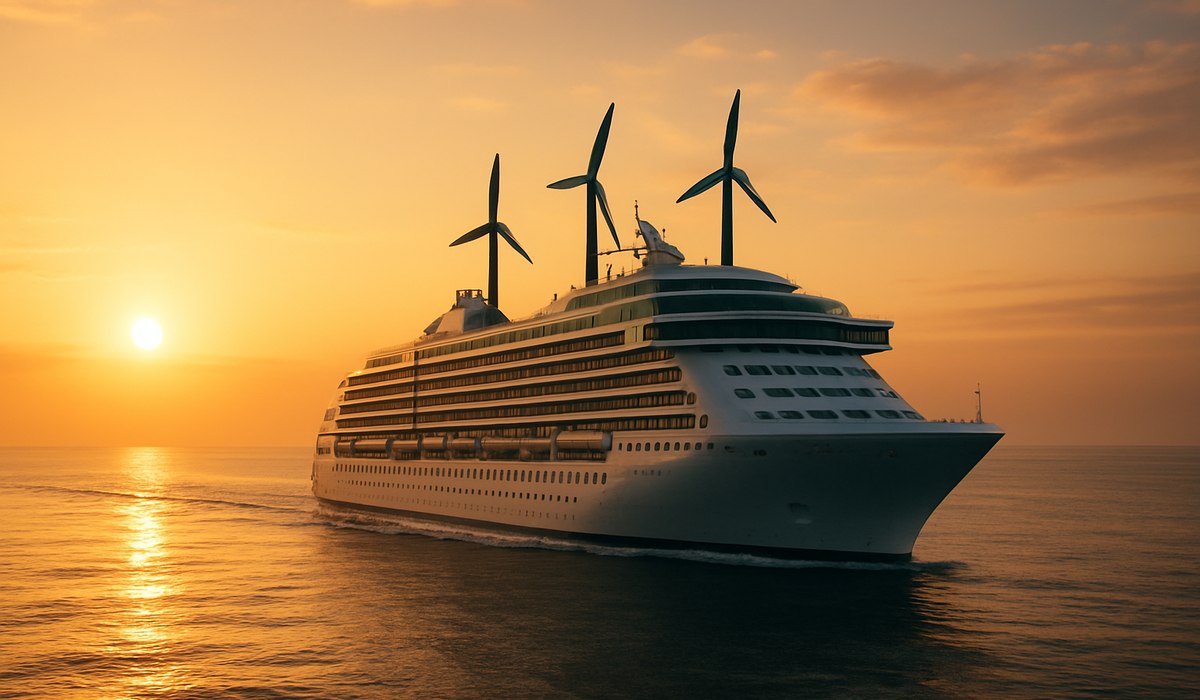
Image generated by AI
The Urgent Case for Decarbonising Intercity Travel in 2026
Decarbonising intercity travel has shifted from a distant environmental goal into an immediate economic necessity. As global supply chains face unprecedented disruption and geopolitical tensions continue to spike energy prices worldwide, transportation operators now recognize that reducing fuel dependency is a survival strategy, not merely a sustainability checkbox. The maritime and intercity transport sector—particularly cruise lines and long-distance coaches—stands at the forefront of this transformation, where decarbonisation directly impacts operational costs, energy security, and strategic independence.
The imperative has never been more pressing. Conflicts and supply disruptions continue reshaping global energy markets, forcing transportation companies to rethink their fuel sourcing and consumption patterns. For travelers, this shift translates into cleaner journeys, more stable fares, and access to innovations designed for fuel independence and energy security.
The Convergence of Climate and Geopolitics
The traditional separation between climate action and geopolitical strategy has collapsed. When fuel prices spike due to regional conflicts, intercity travel operators face immediate margin pressure. When supply chains fracture, energy-dependent transportation becomes unreliable. These economic realities have accelerated investment in decarbonising intercity travel solutions far beyond what climate targets alone would have justified.
Industry stakeholders now view fuel independence as a strategic priority comparable to maintaining fleet reliability or ensuring passenger safety. The cruise industry, which consumes significant marine fuel for transatlantic and Mediterranean crossings, has become a testing ground for alternative energy systems. Some operators have committed to liquefied natural gas (LNG) propulsion, while others pursue hydrogen fuel cells and battery-hybrid technologies.
This convergence benefits travelers in measurable ways: lower operational volatility means more predictable pricing, reduced geopolitical risk exposure for operators translates to service stability, and innovation-driven decarbonisation opens new market segments focused on sustainability-conscious passengers.
Energy Independence as Strategic Priority
Fuel independence reshapes how intercity travel companies evaluate their competitive positions. A cruise line that relies entirely on imported marine fuel faces exposure to OPEC decisions, Middle East tensions, and currency fluctuations. By contrast, operators investing in renewable energy integration, alternative fuels, or hybrid systems reduce this exposure while positioning themselves as resilient long-term players.
Several major cruise lines now prioritize decarbonising intercity travel routes through strategic port partnerships. They're anchoring in ports with LNG refueling infrastructure, negotiating shore power agreements to eliminate engine operation at dock, and retrofitting older vessels with fuel-efficiency technology. These investments reflect a calculated decision: energy security and fuel independence deliver better returns than waiting for regulatory mandates.
For travelers, this shift means selecting cruise itineraries with operators demonstrating genuine commitment to decarbonising intercity travel. Lines investing heavily in sustainable propulsion systems tend to invest equally in passenger experience modernization, creating a correlation between environmental responsibility and service quality.
Visit Cruise Critic for detailed reviews of cruise lines' sustainability initiatives and energy efficiency practices.
Decarbonisation Solutions Now Available to Intercity Travelers
The technology landscape for decarbonising intercity travel has expanded dramatically. Liquefied natural gas (LNG) propulsion, once considered experimental, now powers multiple new cruise ships and cargo vessels. Battery-electric systems serve regional intercity ferries with high frequency and shorter ranges. Hydrogen fuel cells remain under development but show promise for long-haul applications.
Cruise lines are deploying these technologies strategically. Meyer Werft and Fincantieri shipyards now deliver newbuild vessels equipped with LNG engines, reducing carbon emissions by approximately 20-30% compared to conventional marine diesel. Some operators add fuel cells for port maneuvering, eliminating local air pollution. Shore power systems, increasingly available in major cruise ports, allow ships to plug into renewable grid electricity while docked, saving fuel and reducing emissions during overnight stays.
Battery-hybrid systems represent another breakthrough for intercity travel. Ferries operating Copenhagen-Oslo or similar routes now run partially on batteries during harbor approaches, then switch to conventional fuel for open-water transit. This hybrid approach delivers immediate emissions reductions while technology matures.
The economic model is compelling: fuel represents 25-35% of cruise operating costs. Even modest efficiency gains from decarbonised systems yield substantial savings, allowing operators to invest further in sustainability or reduce ticket prices to gain market share.
Economic Benefits Beyond Emissions Reduction
Decarbonising intercity travel unlocks financial benefits that justify capital investment independent of environmental targets. Fuel hedging becomes simpler when alternative fuel sources replace volatile oil imports. Operational complexity decreases when ships operate under stable, predictable power regimes. Regulatory compliance costs drop as operators exceed emissions standards rather than scrambling to meet them at the deadline.
Capital markets reward this strategy. Insurance companies offer lower premiums for newer, more efficient vessels. Banks extend favorable financing to operators demonstrating energy security in their fuel sourcing. Port authorities grant priority berthing and reduced fees to ships with decarbonised propulsion systems. These financial incentives create a virtuous cycle: early investors gain competitive advantages that fund subsequent innovation.
Passenger revenue also increases. Surveys consistently show that 35-45% of cruise passengers would pay a premium of 5-10% for demonstrably sustainable itineraries. Millennials and Gen Z travelers, representing the fastest-growing cruise demographic, actively select lines with credible decarbonisation programs.
Cruise Itinerary at a Glance
| Aspect | Details |
|---|---|
| Technology Impact | LNG and battery-hybrid systems reduce fuel dependency by 20-35% |
| Port Infrastructure | Shore power available in 180+ global cruise ports as of 2026 |
| Fleet Transition Timeline | 60% of newbuild orders specify alternative fuel propulsion |
| Passenger Sentiment | 42% of cruisers actively choose sustainable operators |
| Operational Cost Reduction | Fuel efficiency improvements lower per-nautical-mile costs by 12-18% |
| Geopolitical Resilience | Energy-independent vessels unaffected by fuel supply disruptions |
| Regulatory Momentum | IMO 2030/2050 emissions targets drive 85% of new ship designs |
What This Means for Travelers
Decarbonising intercity travel creates three concrete opportunities for conscious travelers:
-
Select operators with verifiable sustainability commitments. Check whether your preferred cruise line publishes specific emissions reduction targets, fuel transition timelines, and third-party certifications. Lines like Carnival, Royal Caribbean, and Disney have published detailed decarbonisation roadmaps; reviewing these demonstrates genuine strategy rather than marketing rhetoric.
-
Book newer vessels when possible. Ships built after 2022 incorporate advanced propulsion systems, shore power compatibility, and efficiency features that older tonnage lacks. Newer ships deliver superior passenger experience alongside environmental benefits.
-
Choose itineraries serving ports with green infrastructure. Routes including Hamburg, Rotterdam, Singapore, and Los Angeles offer better environmental outcomes because these ports provide shore power, LNG bunkering, and waste management facilities supporting decarbonised operations.
-
Understand fuel surcharge dynamics. As operators transition to alternative fuels, fuel surcharges may fluctuate differently than historically. Some cruise lines now offer "fuel stability" pricing for passengers booking early, providing budget predictability.
-
Engage with operator transparency reports. Major cruise lines publish annual sustainability reports. Reading these documents reveals which companies genuinely advance decarbonising intercity travel versus those merely adjusting marketing language.
FAQ
Q: Will decarbonising intercity travel make cruises more expensive?
A: Initially, alternative fuel
Disclaimer
This article is for informational and educational purposes only. It does not constitute legal, financial, or professional advice. While we strive to provide accurate and up-to-date information, travel policies, regulations, and conditions change rapidly. Always verify information with official sources before making travel decisions. Nomad Lawyer makes no representations about the accuracy, reliability, completeness, or suitability of the information provided. Readers should consult qualified professionals for advice specific to their circumstances. The views expressed in this article are those of the author and do not necessarily reflect the views of Nomad Lawyer.
Kunal K Choudhary
Co-Founder & Contributor
A passionate traveller and tech enthusiast. Kunal contributes to the vision and growth of Nomad Lawyer, bringing fresh perspectives and driving the community forward.
Learn more about our team →