
Gulf Tensions Reshape Global Travel Patterns in 2026
Gulf tensions reshape global travel patterns as geopolitical disruptions challenge cruise and airline operations worldwide in 2026, yet traveler demand remains resilient despite rising airfares and booking hesitation.

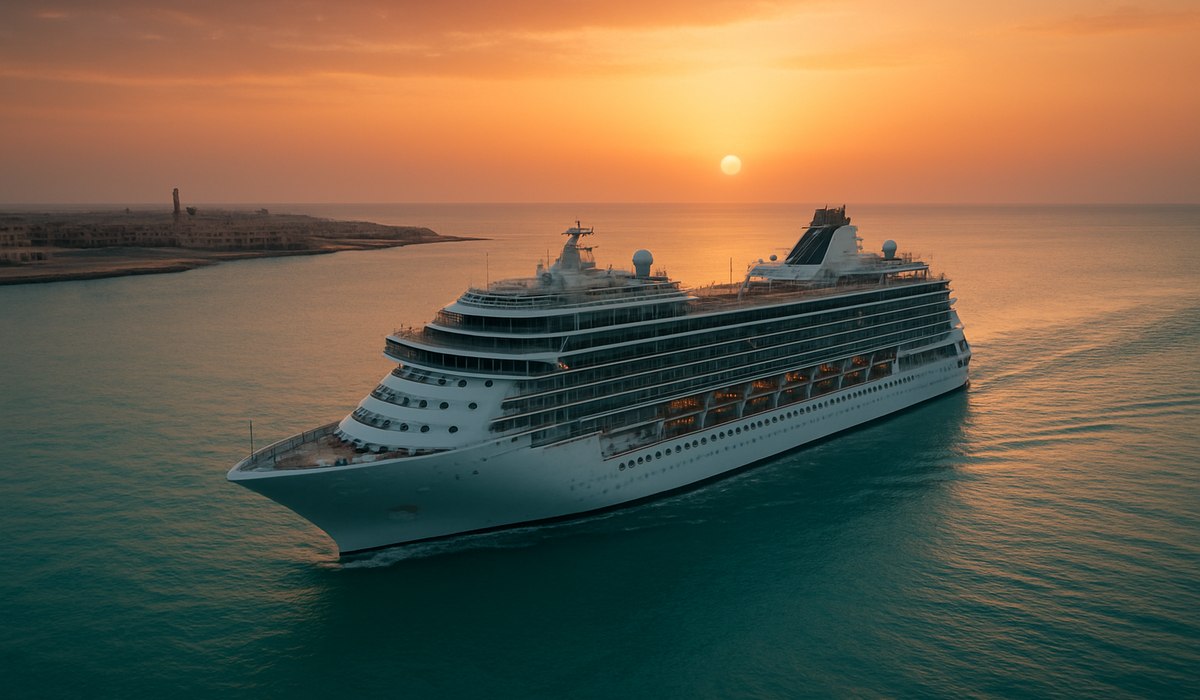
Image generated by AI
Gulf Tensions Reshape Travel Dynamics Worldwide
Geopolitical instability in the Gulf region continues to reshape global travel patterns, forcing cruise lines, airlines, and tourism operators to adapt operations and pricing strategies. Despite mounting uncertainty surrounding Middle Eastern security concerns, travelers worldwide maintain strong appetite for exploration. However, rising airfares and route disruptions are prompting many potential passengers to adopt a cautious booking approach, waiting for clearer geopolitical signals before committing to summer and fall itineraries.
How Gulf Tensions Are Reshaping Travel Patterns
Geopolitical tensions in the Gulf have created a ripple effect across international travel markets. Cruise lines operating in the region face rerouting decisions, extended sailing times, and increased insurance costs. Airlines serving major hubs like Dubai, Abu Dhabi, and Doha navigate heightened security protocols and potential flight delays.
The cascading impact extends beyond the Middle East. European and Asian cruise operators report shifting passenger preferences toward alternative itineraries—particularly Mediterranean, Caribbean, and Southeast Asian sailings. Booking data from major travel platforms reveals travelers are postponing Gulf-bound trips while securing reservations for less-geopolitically sensitive destinations.
Demand persists, yet gulf tensions reshape consumer confidence. Travel advisors report clients requesting detailed briefings on geopolitical conditions before finalizing cruise and flight reservations. This wait-and-see mentality influences pricing power, as operators lower fares to stimulate bookings on affected routes.
Impact on Cruise and Airline Operations
Cruise operators face substantial operational headwinds. Ships scheduled for Persian Gulf ports now navigate longer routes, increasing fuel consumption and voyage duration. Repositioning costs surge as cruise lines shift vessels to stable markets. Some premium itineraries targeting wealthy Gulf-region travelers see reduced demand.
Airlines operating Gulf corridors experience elevated operating expenses. Security enhancements, fuel surcharges, and insurance premiums compress margins. However, carriers serving high-demand leisure routes maintain pricing discipline, as alternate airport capacity remains limited.
Major cruise lines including Royal Caribbean, Carnival Corporation subsidiaries, and Disney Cruise Line implement flexible booking policies. These provisions allow passengers to modify or cancel reservations without penalties, acknowledging traveler anxiety surrounding geopolitical uncertainty.
For current cruise news and comprehensive itinerary analysis, Cruise Critic provides real-time updates on route changes and industry developments.
Traveler Sentiment: Wait-and-See Approach
Contemporary traveler psychology reflects calculated caution rather than panic avoidance. Industry research indicates wanderlust remains potent—people still crave authentic experiences and bucket-list adventures. Yet gulf tensions reshape booking timelines.
Affluent travelers, typically booking six to twelve months ahead, now postpone decisions until geopolitical clarity emerges. Mid-market passengers extend booking windows, accepting higher fares for later departure dates on proven-safe routes. Budget-conscious travelers trade destination flexibility for departure-date certainty.
Travel insurance sales spike, particularly policies covering geopolitical event cancellations. This trend underscores legitimate traveler concerns while reflecting confidence that appropriate risk mitigation exists. Cruise lines report increased interest in enhanced coverage options.
Interestingly, domestic travel within stable nations experiences modest growth. U.S. passengers book Alaska and Hawaii cruises. European travelers favor Mediterranean itineraries. This geographic diversification demonstrates resilience without abandonment of international travel aspirations.
What Lies Ahead for Global Tourism
Uncertainty characterizes near-term tourism projections. If geopolitical tensions de-escalate within months, pent-up demand could trigger robust summer and fall booking surges. Conversely, sustained instability may depress global cruise revenues by 8–12 percent through year-end.
Cruise lines prepare contingency plans addressing extended geopolitical disruptions. Permanent itinerary redesigns, alternative homeport deployments, and capacity reductions represent realistic scenarios. Technology investments in dynamic pricing and real-time booking modifications accelerate industry-wide.
Emerging markets present offsetting opportunities. Cruise operators expand Caribbean, Southeast Asian, and South American capacity. Regional cruise lines serving less-geopolitically-sensitive waters gain competitive advantage. This market rebalancing reflects tourism's inherent adaptability.
Gulf tensions reshape not merely current operations but industry strategic direction. Operators increasingly diversify geographic exposure, reducing dependency on historically profitable Middle Eastern markets. This transformation extends beyond temporary disruption, potentially redefining cruise industry geography for years.
Cruise Itinerary at a Glance
| Destination Region | 2026 Demand Trend | Average Airfare Impact | Cruise Availability | Booking Timeline | Risk Assessment |
|---|---|---|---|---|---|
| Mediterranean | Stable Growth | +5% | Abundant | 3-4 months advance | Low |
| Caribbean | Increased Demand | Flat | Strong Supply | 4-6 months advance | Low |
| Alaska | Growing Interest | +8% | Solid | 5-7 months advance | Low |
| Middle East/Gulf | Declining | +18-22% | Limited | 2-3 months advance | Elevated |
| Southeast Asia | Moderate Growth | +6% | Increasing | 4-5 months advance | Low-Moderate |
| Northern Europe | Steady | +4% | Good Availability | 3-5 months advance | Low |
What This Means for Travelers
Navigating 2026's complex travel landscape requires informed decision-making:
-
Book Alternative Destinations Early: Mediterranean, Caribbean, and Alaska cruises offer superior value and shorter booking windows. Secure reservations 4–6 months before departure.
-
Monitor Geopolitical Developments: Subscribe to travel advisory updates from government sources and cruise line notifications. Establish personal risk thresholds before booking sensitive regions.
-
Leverage Flexible Booking Policies: Current cruise lines offer substantial flexibility. Utilize these advantages by booking desirable dates with modification options intact.
-
Invest in Comprehensive Insurance: Geopolitical event coverage costs incrementally but provides significant peace-of-mind, particularly for premium sailings.
-
Consider Timing Advantages: Off-peak shoulder seasons (May-June, September-October) often feature lower fares and reduced crowds, regardless of geopolitical concerns.
FAQ
How do Gulf tensions currently affect cruise pricing? Cruise lines operating Middle Eastern routes increase fares 15–22 percent to offset operational costs and reduced demand. Conversely, Mediterranean and Caribbean sailings feature competitive pricing as operators stimulate booking volume on stable routes.
Should I cancel my booked Middle East cruise? Evaluate current travel advisories and cruise line cancellation policies. Most operators provide penalty-free modification options. Consult cruise line customer service and government travel advisories before deciding.
Are other cruise destinations safe to book? Yes. Mediterranean, Caribbean, Alaska, and Southeast Asian cruises operate normally with minimal geopolitical risk. These regions experience steady or increased demand throughout 2026.
What cruise insurance should I purchase? Comprehensive plans including geopolitical event coverage, medical evacuation, and trip interruption protection provide optimal protection. Compare offerings from established insurers specializing in travel coverage.
Related Travel Guides
- United Airlines Expands East Coast Network With Three Strategic New Routes to Caribbean and West Coast Destinations
- Boeing 787 Dreamliner Engines: The Hidden Cost Reshaping Aircraft Economics
- Preventing Caribbean Travel Chaos: Arajet Deploys 16th Aircraft at Cibao Airport to Bypass Massive Regional Flight Cancellations
Disclaimer
This article synthesizes information from industry reports, travel advisory services, and cruise operator announcements current as of June 2026. Geopolitical situations evolve rapidly; conditions may change significantly between publication and travel dates. Always consult official government travel advisories, your cruise line's current policies, and travel insurance providers for the most recent safety guidance
Disclaimer
This article is for informational and educational purposes only. It does not constitute legal, financial, or professional advice. While we strive to provide accurate and up-to-date information, travel policies, regulations, and conditions change rapidly. Always verify information with official sources before making travel decisions. Nomad Lawyer makes no representations about the accuracy, reliability, completeness, or suitability of the information provided. Readers should consult qualified professionals for advice specific to their circumstances. The views expressed in this article are those of the author and do not necessarily reflect the views of Nomad Lawyer.
Preeti Gunjan
Contributor & Community Manager
A passionate traveller and community builder. Preeti helps grow the Nomad Lawyer community, fostering engagement and bringing the reader experience to life.
Learn more about our team →