
Deadly Andes Hantavirus Outbreak Strands Luxury Expedition Cruise MV Hondius at Sea
A Dutch-flagged expedition cruise carrying 150 passengers faces a deadly Andes hantavirus outbreak in 2026, leaving the MV Hondius stranded mid-Atlantic. Multiple deaths and medical evacuations reported as health agencies coordinate containment.

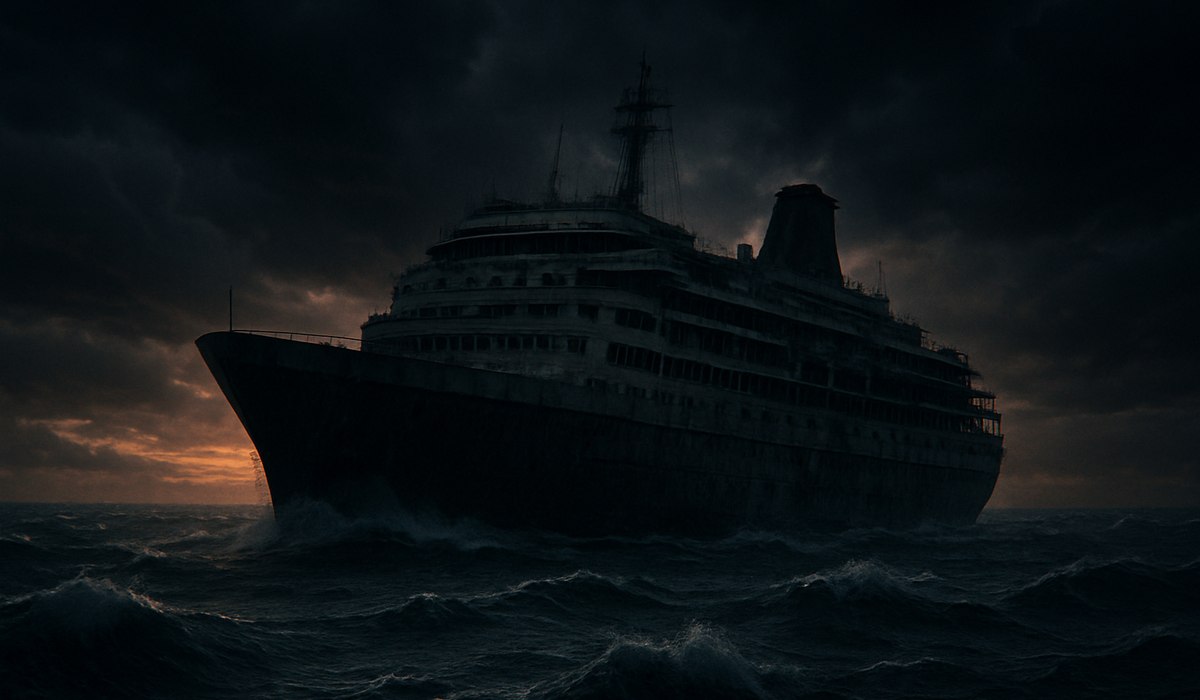
Image generated by AI
Luxury Voyage Becomes Global Health Crisis
The MV Hondius, a Dutch-flagged polar expedition vessel, departed Ushuaia, Argentina in early April 2026 with approximately 150 passengers and crew aboard. What promised to be a once-in-a-lifetime journey across remote Atlantic waters and toward the Cape Verde archipelago transformed into an international health emergency when a rare and deadly Andes hantavirus outbreak emerged mid-voyage. The ship now sits hundreds of miles from the nearest equipped port, with confirmed deaths, multiple medical evacuations, and dozens of suspected cases straining both the vessel's medical resources and global response capabilities.
The outbreak represents one of the most serious health incidents involving expedition cruising in recent memory. As confirmed cases mounted during the voyage, port authorities across Europe, Africa, and South America implemented strict protocols, effectively leaving the vessel unable to dock safely. Health agencies worldwide now race to contain further spread while passengers and crew remain confined aboard under intensive infection-control measures.
What We Know About the Deadly Andes Hantavirus
The deadly Andes hantavirus is a rodent-borne pathogen endemic to Chile and Argentina, making its appearance on an Atlantic expedition cruise unprecedented and alarming. Unlike most hantavirus strains, Andes virus possesses documented capability for person-to-person transmission during prolonged close contact—a critical distinction that transformed the Hondius situation from isolated medical incidents into a suspected epidemic.
Andes hantavirus causes hantavirus cardiopulmonary syndrome, a rapidly progressive respiratory illness with high case fatality rates. Initial symptoms mimic influenza: fever, severe headache, muscle aches, and digestive complaints. The disease escalates within days to acute respiratory distress, coughing, and shortness of breath. Severe infections can result in respiratory failure requiring intensive mechanical ventilation. Medical literature documents fatality rates substantially higher than seasonal influenza, elevating the urgency of containment efforts aboard the stranded vessel.
The virus's long incubation period—typically two to four weeks—meant passengers likely incubated infection before laboratory confirmation became available, complicating quarantine decisions and safe disembarkation protocols. No specific antiviral treatment exists; management focuses on supportive respiratory care and monitoring for organ failure.
MV Hondius Response and Containment Efforts
Port authorities implemented unprecedented coordination across multiple nations as the MV Hondius outbreak unfolded. The vessel was held offshore pending clearance, with European disease control agencies, South African health authorities, and international maritime regulators negotiating safe arrival procedures. Several critically ill passengers received emergency air and sea evacuation to hospitals in Johannesburg and European cities equipped for intensive hantavirus care.
Shipboard infection control measures intensified dramatically. Cabins were reorganized to prevent close contact between occupants. Symptomatic individuals faced isolation in designated spaces. Masks, hand sanitizers, and enhanced ventilation protocols became standard throughout common areas and dining facilities. Despite these precautions, the confined environment, extended voyage duration, and possibility of human-to-human transmission complicated decisions about timing and location for final disembarkation.
At least three confirmed deaths have been attributed to the outbreak, with additional passengers and crew testing positive after returning home. One particularly severe case required intensive care hospitalization in South Africa. Investigations into the outbreak's origin remain ongoing, with investigators examining potential contamination during port calls, onboard food handling, or environmental exposure.
Implications for Expedition Cruising Safety
The deadly Andes hantavirus outbreak aboard the MV Hondius raises fundamental questions about risk assessment, medical preparedness, and pandemic response in expedition cruising. Unlike conventional resort-style cruises operating near developed infrastructure, polar and remote expedition vessels operate at considerable distances from advanced medical facilities. When outbreaks occur far from capable ports, evacuation becomes expensive, dangerous, and sometimes impossible.
This incident echoes earlier cruise-related health crises while highlighting unique dangers specific to expedition itineraries. The combination of remote routing, long incubation periods for certain pathogens, and the ship's earlier port calls in potentially contaminated regions created a perfect storm of epidemiological vulnerability.
Industry stakeholders now face pressure to strengthen pre-voyage health screening, enhance onboard diagnostic capabilities, and establish clearer protocols for vessel diversion and passenger management during suspected outbreaks. Cruise lines operating expedition routes face increased scrutiny regarding their medical staffing, infectious disease training, and emergency communication systems. Regulatory bodies across flag states and destination countries are reviewing approval procedures for remote voyages in light of this crisis.
Cruise Itinerary at a Glance
| Aspect | Details |
|---|---|
| Vessel Name | MV Hondius |
| Flag State | Netherlands |
| Departure Port | Ushuaia, Argentina |
| Departure Date | Early April 2026 |
| Intended Destinations | Remote Atlantic Islands, Cape Verde Archipelago |
| Passenger Capacity | ~150 passengers and crew |
| Itinerary Type | Polar expedition, remote Atlantic crossing |
| Voyage Duration | Multi-week transatlantic |
| Medical Facilities Onboard | Standard expedition vessel medical bay (limited ICU capability) |
| Status as of May 2026 | Stranded offshore pending port clearance |
What This Means for Travelers
The MV Hondius outbreak carries several critical implications for anyone considering expedition cruising in 2026:
-
Verify pre-voyage health protocols: Before booking any expedition cruise, request detailed information about pre-embarkation health screening procedures, onboard medical staffing qualifications, and infectious disease response plans.
-
Understand medical limitations: Expedition vessels operating remote routes often lack advanced intensive care capabilities. Confirm evacuation procedures and nearest hospital locations for your intended itinerary.
-
Review cancellation and refund policies: Given outbreak scenarios, ensure your cruise booking includes comprehensive cancellation protection, travel insurance with epidemic coverage, and clear refund procedures.
-
Research vessel medical history: Check independent cruise review sites like Cruise Critic for historical health incident reports and passenger medical experiences.
-
Assess personal risk factors: Individuals with respiratory conditions, immunocompromise, or age-related vulnerability face heightened risk during potential shipboard disease outbreaks. Consult your physician before booking expedition voyages.
-
Maintain travel insurance: Ensure your policy covers medical evacuation, emergency hospitalization in foreign countries, and trip interruption due to communicable disease outbreaks.
Frequently Asked Questions
What is Andes hantavirus and how does it spread?
Andes hantavirus is a rodent-borne virus endemic to South America. Unlike most hantavirus strains, it can transmit person-to-person through prolonged close contact with infected individuals or contaminated respiratory secretions. The virus causes rapid-onset respiratory failure with high mortality rates.
How many people have been affected by the MV Hondius outbreak?
As of May 2026, at least three deaths have been confirmed linked to the outbreak, with dozens of passengers and crew presenting confirmed or probable cases. Several critically ill individuals received emergency evacuation and intensive care hospitalization.
Is it safe to book expedition cruises given this outbreak?
Expedition cruising remains inherently higher-risk than conventional cruises due to remote routing and distance from advanced medical care. Enhanced health screening, improved onboard diagnostics, and clearer outbreak protocols are now industry priorities. Book only with operators demonstrating robust medical preparedness and transparent safety records.
How long does Andes hantavirus incubation take?
Disclaimer
This article is for informational and educational purposes only. It does not constitute legal, financial, or professional advice. While we strive to provide accurate and up-to-date information, travel policies, regulations, and conditions change rapidly. Always verify information with official sources before making travel decisions. Nomad Lawyer makes no representations about the accuracy, reliability, completeness, or suitability of the information provided. Readers should consult qualified professionals for advice specific to their circumstances. The views expressed in this article are those of the author and do not necessarily reflect the views of Nomad Lawyer.
Preeti Gunjan
Contributor & Community Manager
A passionate traveller and community builder. Preeti helps grow the Nomad Lawyer community, fostering engagement and bringing the reader experience to life.
Learn more about our team →