
DB Regio Integrates Start Deutschland Workforce and Contracts to Centralize German Regional Rail in 2026
DB Regio has completed a massive internal restructuring, absorbing all Start Deutschland regional transport contracts and staff into a unified operating network as of August 1, 2026.

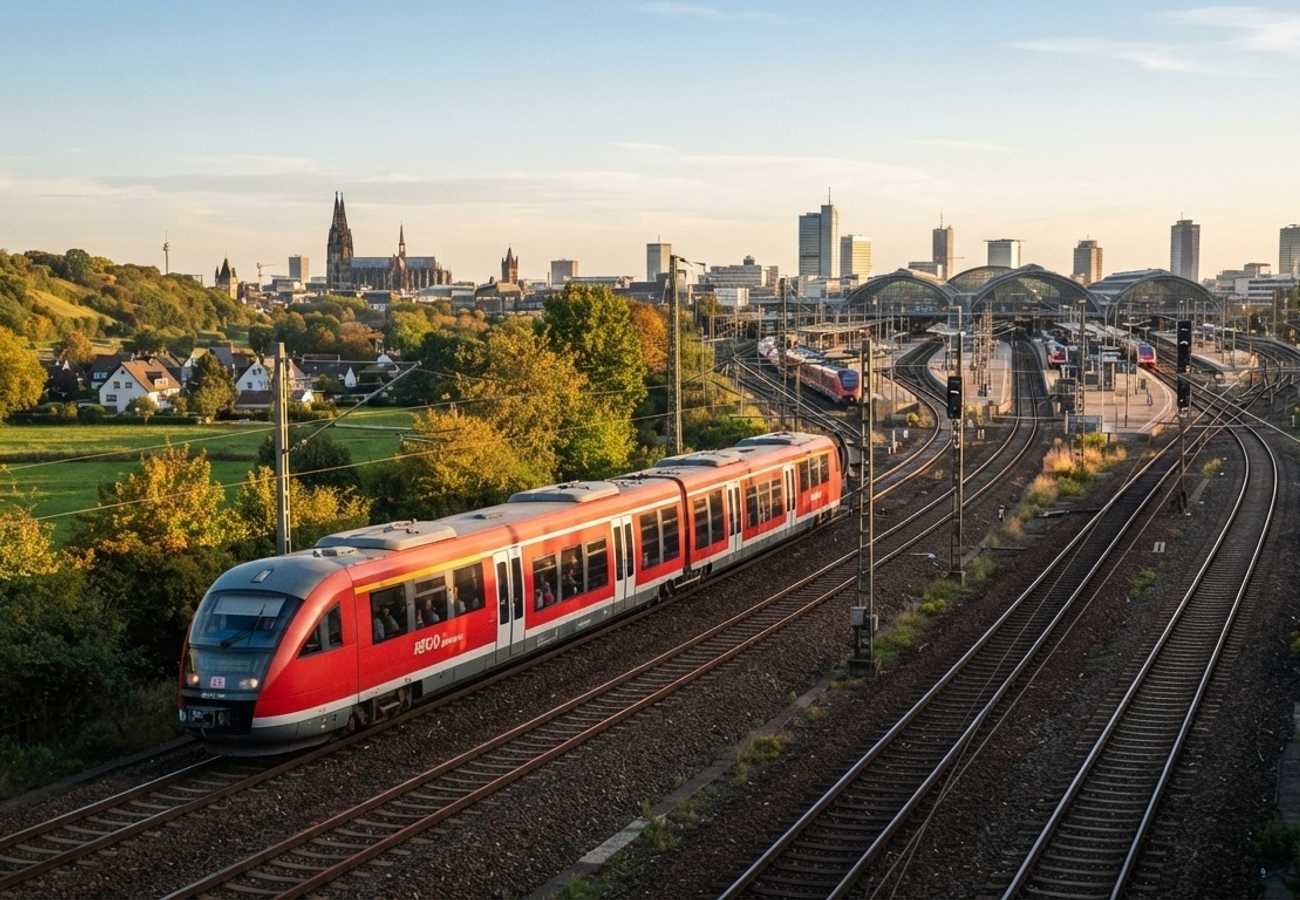
Image generated by AI
Effective August 1, 2026, DB Regio has fundamentally restructured Germany’s regional rail landscape by absorbing all regional transport contracts and the entire workforce of Start Deutschland into a single, unified operating network. This massive internal consolidation replaces fragmented management systems with a centralized administrative approach intended to sharpen coordination and stabilize passenger services across the country.
The transition marks a pivot in how Germany's primary rail operator manages its regional portfolio. While the corporate architecture has undergone a total transformation, the move is designed as a "silent" transition for the end-user. Industry reports indicate that the shift focuses on internal efficiency rather than outward service changes, ensuring that the millions of daily commuters across Germany experience no disruption to their travel routines.
Direct Operational Control of Former Start Deutschland Networks
The restructuring effectively transfers every regional rail agreement previously held by Regionalverkehre Start Deutschland directly to DB Regio AG. Under this new mandate, all existing contracts with regional transport authorities remain in force under their original terms. This means that the service obligations, capacity requirements, and performance benchmarks established in previous tenders remain legally binding.
By bringing these networks under one roof, DB Regio now consolidates responsibility for workforce planning, resource allocation, and contract management. For the regional transport authorities that commission these services, the change simplifies the bureaucratic process. Instead of dealing with separate entities within the same corporate umbrella, authorities now have a single point of operational responsibility. This streamlined communication is expected to reduce administrative friction and create more consistent operational processes across various German states.
Maintaining Passenger Continuity Amid Management Shifts
Despite the scale of the organizational overhaul, the impact on the passenger experience is designed to be negligible. Because the integration focuses on back-end administration rather than network redesign, there are no immediate changes to the physical rail service.
Flight and rail tracking data suggests that the transition has not interfered with daily operations. Specifically:
- Timetables: All departure and arrival times remain exactly as scheduled.
- Route Coverage: No lines have been deleted or altered.
- Frequency: The number of trains per hour remains constant.
Passengers do not need to modify their ticketing habits or journey planning. The stability of these connections is a priority, given the heavy reliance of the German workforce on predictable regional transit. By isolating the restructuring to the corporate level, DB Regio ensures that the operational "front end" remains steady while the "back end" is modernized.
Full Integration of the Start Deutschland Workforce
A critical pillar of this merger is the seamless transfer of all Start Deutschland employees into DB Regio’s regional operating units. This was not merely a contractual transfer but a strategic move to preserve institutional knowledge.
Staff members across all functions—including train drivers, customer service agents, maintenance technicians, and administrative support—have transitioned into the new structure without interruption. This prevents the loss of local expertise and route-specific knowledge that is often eroded during corporate mergers.
Furthermore, this consolidation addresses a systemic crisis in European rail: the severe shortage of qualified personnel. By pooling the workforce into a single entity, DB Regio can implement more flexible staffing models. This allows the company to shift resources more dynamically to regions experiencing acute labor shortages or unexpected operational surges, thereby increasing overall network resilience.
Replacing Competitive Platforms with a Unified System
To understand this move, one must look at the original purpose of Start Deutschland. The entity was created as a separate platform to allow Deutsche Bahn to compete more effectively in the open regional rail tenders mandated by EU law. By operating as a distinct brand and entity, it could pursue contracts where transport authorities sought alternative models to the traditional DB Regio approach.
The 2026 integration signals a shift away from this fragmented strategy. By folding these separate arrangements back into the main DB Regio structure, the company is eliminating overlapping management layers. The benefits of this unified system include:
- Reduced Complexity: A single framework for managing all regional passenger services.
- Resource Optimization: The ability to share rolling stock and equipment across a wider network.
- Administrative Leanliness: The removal of duplicate planning processes and reporting lines.
Addressing Reliability and Infrastructure Pressures
This organizational reform is occurring against a backdrop of significant pressure on the German rail sector. The industry is currently battling aging infrastructure, persistent punctuality issues, and rising operational costs.
Industry observers suggest that a centralized structure is better equipped to handle these systemic shocks. A larger, integrated organization can respond more decisively to operational disruptions. While the merger is not a "silver bullet" for infrastructure decay, it provides the administrative agility needed to manage workforce gaps and equipment failures more effectively.
Regional transport authorities continue to maintain strict oversight. Because the contracts remain unchanged, DB Regio is still held to the same performance standards previously required of Start Deutschland. This ensures that the drive for internal efficiency does not come at the expense of passenger reliability.
Expansion of DB Regio Branding
As part of the transition, the DB Regio brand is expanding to cover all services previously operated under the Start Deutschland banner. This branding shift is intended to create a consistent identity for passengers.
While travelers may notice updated logos or company references on trains and at stations, these are cosmetic changes. The primary objective is to signal a unified corporate responsibility. The focus remains on the operational strength of the network rather than a redesign of the onboard passenger experience.
The shift toward a centralized regional rail model represents a strategic gamble on efficiency over fragmentation to save Germany's commuting arteries.
Related Travel Guides
Disclaimer
This article is for informational and educational purposes only. It does not constitute legal, financial, or professional advice. While we strive to provide accurate and up-to-date information, travel policies, regulations, and conditions change rapidly. Always verify information with official sources before making travel decisions. Nomad Lawyer makes no representations about the accuracy, reliability, completeness, or suitability of the information provided. Readers should consult qualified professionals for advice specific to their circumstances. The views expressed in this article are those of the author and do not necessarily reflect the views of Nomad Lawyer.
Preeti Gunjan
Contributor & Community Manager
A passionate traveller and community builder. Preeti helps grow the Nomad Lawyer community, fostering engagement and bringing the reader experience to life.
Learn more about our team →