
Curaçao and Dutch Caribbean Lead Luxury Travel Expansion
Curaçao, Aruba, and Bonaire redefine Caribbean luxury, with Curaçao recording 788,427 stayover arrivals in 2025.

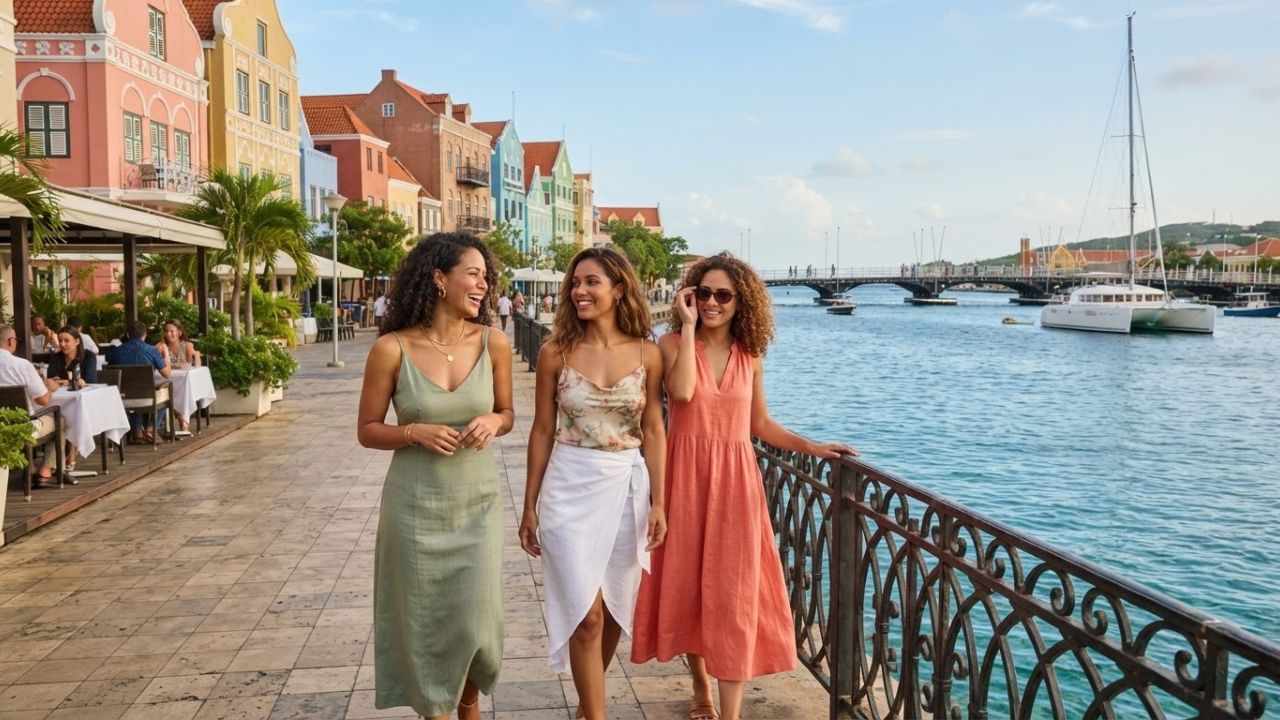
Image generated by AI
Curaçao welcomed 788,427 stayover arrivals in 2025—a 13 per cent increase compared to the previous year—redefining Caribbean luxury by integrating UNESCO-listed architecture with marine conservation programs.
The Local Trend Revealed: Experiential Luxury in the Dutch Caribbean
A major trend in luxury island tourism is the transition from resort-centric enclaves to heritage-rich, community-integrated destinations. Modern travelers seeking premium accommodations prioritize privacy, wellness, local gastronomy, and authentic cultural exploration. The Dutch Caribbean region (comprising Aruba, Bonaire, and Curaçao) has adapted to this shift, with Curaçao establishing a distinctive destination profile that balances European architectural influence with marine adventures.
Key indicators of Curaçao's tourism growth and capacity include:
- Stayover Arrival Surge: The island welcomed 788,427 stayover arrivals in 2025, representing a 13 percent increase compared to 2024, driven by expanding air connectivity from the United States, Canada, and the Netherlands.
- UNESCO Historic Center: Willemstad, the capital, features the Handelskade waterfront's colorful Dutch colonial architecture, the historic shopping streets of Punda, and the cultural neighborhood networks of Otrobanda.
- Shoreline Variety: The island offers more than 35 beaches, ranging from scenic swimming coves like Playa Kenepa and Playa Lagun to diving shores like Cas Abao Beach and private escapes on Klein Curaçao.
- Marine Tourism Capacity: Curaçao offers more than 70 dive sites, many accessible directly from the shoreline, enabling self-guided underwater exploration.
- Regional Specialization: Within the Dutch Caribbean, Aruba focuses on high-density resort experiences and entertainment, Bonaire specializes in national marine park conservation and professional diving, and Curaçao integrates urban heritage, boutique stays, and coral reef tourism.
This framework supports the Curaçao Tourist Board's strategy to build a competitive and sustainable tourism sector while strengthening connections between travelers and local communities.
Dutch Caribbean Luxury Tourism Parameters (2026)
| Target Island Hub | Stated Tourism Identity | Annual Stayover Arrivals | Primary Beach Attractions | Marine & Diving Portals |
|---|---|---|---|---|
| Curaçao | UNESCO heritage, diving, culture | 788,427 stayover arrivals | 35+ beaches (Playa Kenepa) | 70+ dive sites (shore-access) |
| Aruba | Beach resorts, entertainment | High-density resort flows | Palm Beach, Eagle Beach | Coral reef tours, shipwreck dives |
| Bonaire | Marine conservation, diving | Low-density conservation flows | Pink Beach, Lac Bay lagoon | National Marine Park (protected) |
| Klein Curaçao | Uninhabited private island | Daily day-trip catamaran limits | Sandy offshore coves | Reef walls, historic lighthouse |
Cultural & Environmental Value: Supporting Coral Reef Protection
For the traveler, the real impact of this Dutch Caribbean growth is the direct alignment of luxury spending with local heritage preservation and marine reef protection. By staying in restored boutique properties in Otrobanda and diving with eco-certified shore operators, visitors support native ecosystems.
Mapped in coordination with the Curaçao Tourist Board (CTB) and regional marine park rangers, these sustainable arrivals fund coral reef nurseries, public historic preservation, and community-led art initiatives. This protects the island's fragile environments.
Destination Specialist Local Insider Tips
To help you organize your travel itineraries and explore Willemstad's historic quarters comfortably, regional specialists suggest the following tips:
- Savor Keshi Yena: Experience regional Curaçaoan-Caribbean gastronomy. Try authentic Keshi Yena (a traditional Dutch Caribbean dish consisting of a large round hollowed cheese rind—often Edam or Gouda—stuffed with spiced minced chicken, raisins, olives, capers, onions, and tomatoes, baked until melted).
- Rent a Car for Shore Diving: Since many of Curaçao's 70+ dive sites are directly accessible from the shore, rent a small truck to carry dive tanks and gear independently.
- Visit Handelskade in the Evening: To photograph the iconic colorful Dutch facades without harsh daytime glare, visit the Willemstad waterfront at sunset when the harbor lights turn on.
- Book Klein Curaçao Trips Early: If planning a private day trip to the uninhabited island of Klein Curaçao, book catamaran charters days in advance due to strict daily passenger caps.
- Explore Shete Boka: Take an under-the-radar detour. Hire a local guide to visit Shete Boka National Park on the north coast, featuring volcanic inlets, limestone blowholes, and green sea turtle nesting zones.
Long-Term Outlook: Sustainable Caribbean Port Integration
The long-term outlook for the Dutch Caribbean's luxury sector remains positive, driven by the expansion of direct flights from North America and the development of wellness-focused boutique lodging. As the Curaçao Tourist Board continues to roll out sustainable destination plans and coordinates with local conservancies to monitor reef health, visitor yields will expand. By balancing premium resort development with strict environmental guidelines and community-centered heritage preservation, planners are building a resilient, long-term travel corridor.
Related Travel Guides
Disclaimer
This article is for informational and educational purposes only. It does not constitute legal, financial, or professional advice. While we strive to provide accurate and up-to-date information, travel policies, regulations, and conditions change rapidly. Always verify information with official sources before making travel decisions. Nomad Lawyer makes no representations about the accuracy, reliability, completeness, or suitability of the information provided. Readers should consult qualified professionals for advice specific to their circumstances. The views expressed in this article are those of the author and do not necessarily reflect the views of Nomad Lawyer.
Preeti Gunjan
Contributor & Community Manager
A passionate traveller and community builder. Preeti helps grow the Nomad Lawyer community, fostering engagement and bringing the reader experience to life.
Learn more about our team →