
Cruise Things People Don't Understand: 25 Unconventional Traditions Redefining Modern Travel
Cruise things people struggle to comprehend are reshaping 2026 vacation culture. Discover why unconventional onboard traditions baffle newcomers while defining authentic cruise experiences for seasoned travelers.

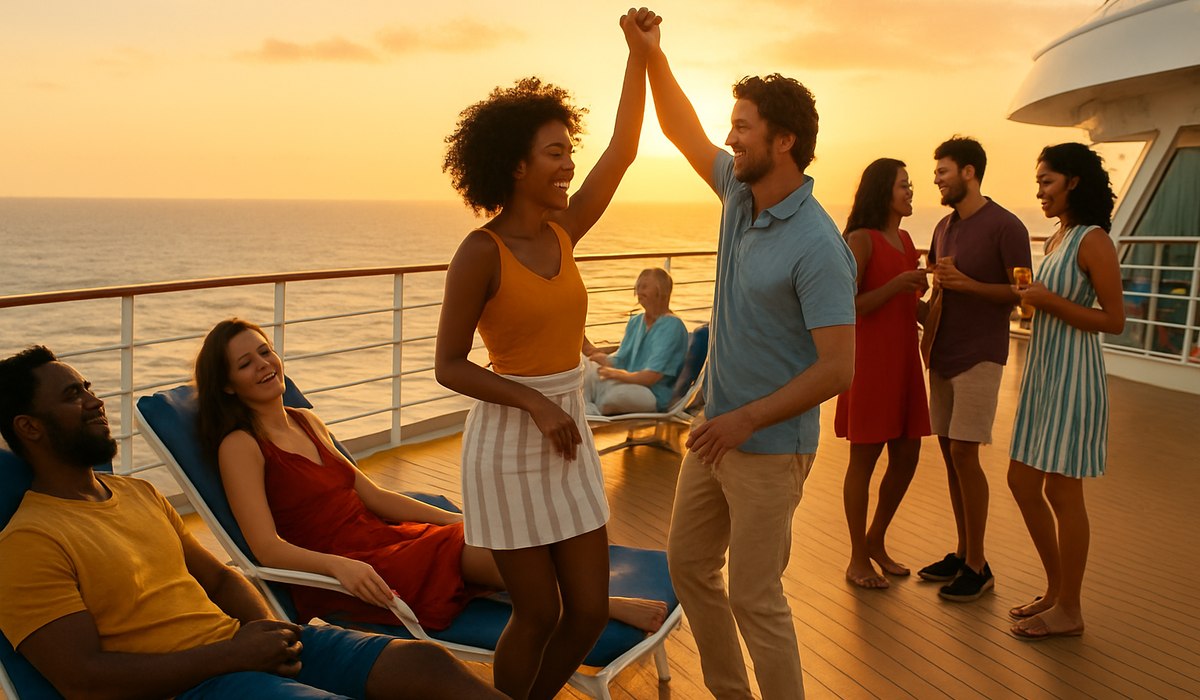
Image generated by AI
The Disconnect Between Cruise Culture and Traditional Vacationing
The cruise industry continues to puzzle first-time travelers as unconventional onboard activities and traditions gain traction among seasoned cruisers. What seasoned cruise enthusiasts embrace as essential cruise things people outside the community often view with bewilderment. In 2026, cruise lines are doubling down on diverse vacation experiences, acknowledging that cruise culture thrives on contrasts. Modern travelers seek more than passive relaxation—they want immersive, quirky, and memorable moments at sea. This fundamental shift has created a fascinating gap between newcomers scratching their heads and veterans nodding knowingly.
The cruise vacation landscape now encompasses everything from competitive trivia marathons to elaborate costume nights that would seem excessive on land. These cruise things people encounter aboard contemporary vessels reflect a broader tourism trend: the pursuit of authentic, community-driven experiences. Rather than standardized itineraries, today's cruise lines celebrate the bizarre, the unconventional, and the wonderfully weird aspects of extended sea travel.
The Weirdest Cruise Ship Traditions Confounding Newcomers
Cruise traditions have evolved into an intricate social ecosystem that mystifies those experiencing their first voyage. Consider the phenomenon of "formal night"—where passengers dress in tuxedos and evening gowns for dinner, despite being surrounded by ocean and casual maritime aesthetics. The tradition persists not out of necessity but as a cherished social anchor. Similarly, port-hopping enthusiasts engage in what locals call "port maximization," rushing through destinations to photograph themselves at five locations in eight hours.
Another bewildering cruise things people encounter involves competitive poolside activities that rival Olympic intensity. Hairy chest competitions, belly flop contests, and elaborate dance-off tournaments transform casual recreation into performance art. These traditions create communities aboard ships—passengers exchanging cabin numbers for future voyage meetups, forming Facebook groups dedicated to specific ships, and tracking captains across multiple cruises.
The cabin-flag tradition exemplifies how cruise culture develops organicity. Passengers decorate cabin doors with personalized artwork, creating floating neighborhoods that feel oddly suburban. Some vessels feature hundreds of decorated doors, transforming corridors into unexpected art galleries. First-time cruisers often ask: "Why would anyone spend time and luggage space decorating a temporary cabin?" Yet for returning passengers, this creative expression defines their entire cruise experience.
Dining traditions further illustrate the cultural divide. The formal dining room persists alongside buffet chaos, with some cruisers treating dinner as sacred ritual while others grab food and flee. Specialty dining venues charge premiums for experiences that land restaurants couldn't justify. Yet passengers willingly pay extra for farm-to-table cuisine served in intimate 40-seat venues, embracing slow dining at sea—a concept that baffles cruise newcomers accustomed to buffet efficiency.
Why Cruisers Love These Unconventional Activities and Expressions
Understanding cruise culture requires recognizing that cruise things people embrace serve psychological purposes beyond surface-level entertainment. Extended time at sea creates unique social conditions where normal behavioral constraints relax. Passengers feel liberated by temporary detachment from land-based identities, enabling genuine self-expression. A conservative accountant becomes a karaoke champion. A reserved librarian paints her cabin door like a peacock. A quiet engineer wins the trivia tournament.
This transformation reflects deeper travel psychology. Cruises offer structured freedom—you're simultaneously constrained by ship boundaries and liberated from daily responsibilities. That paradox creates fertile ground for unconventional behavior. Cruise traditions evolve organically as passengers discover that shipboard anonymity permits authentic self-expression without career or social consequences.
The communal nature of cruise vacations amplifies these tendencies. Unlike hotel vacations where guests rarely interact, cruise ships force constant social contact. Elevators, dining rooms, pools, and lounges create unavoidable encounters. These spaces demand social lubrication—hence the elaborate traditions, costume nights, and competitive activities that would seem forced on land. Aboard ships, they feel genuinely needed.
Cruise things people participate in also address the existential challenge of extended leisure time. Seven days is considerably longer than weekend trips. Traditional leisure activities—shopping, sightseeing, beach lounging—prove insufficient. Cruise lines recognized this vacuum early, developing programming that occupies hundreds of daily hours. Passengers attending midnight deck parties, morning fitness classes, afternoon trivia contests, and evening shows experience cruise culture as deliberately full, deliberately strange, deliberately memorable.
How Different Vacation Philosophies Coexist at Sea
One remarkable aspect of cruise culture involves its ability to accommodate wildly different vacation styles. The same ship simultaneously serves party-focused millennials, family-oriented couples with children, and retirees seeking peaceful relaxation. This coexistence creates fascinating juxtapositions that would never occur in land-based hotels.
Deck 9 might feature pool parties with megaphone announcements and choreographed dancing while Deck 4 offers meditation classes and quiet library reading rooms. This isn't accident but deliberate cruise ship design philosophy. Modern vessels employ sophisticated zoning strategies that permit guests to pursue dramatically different vacation styles without constant collision.
Yet cruise things people engage in sometimes create friction. Parents protecting toddlers from midnight foam parties. Couples seeking romance navigating family trivia competitions. Introverts witnessing extroverts commandeering common spaces. The ship becomes a social experiment where diverse vacation preferences must coexist. Successful cruising requires tolerance and flexibility—qualities that distinguish seasoned cruisers from frustrated newcomers.
The cruise industry has embraced this diversity explicitly. Rather than pressuring passengers toward standardized experiences, contemporary cruise lines celebrate choice. Optional activities, tiered dining options, and flexible schedules permit genuine personalization. That flexibility enables cruise things people value to exist alongside experiences that baffle them. You can attend or ignore the hairy chest competition. You can dress formally or wear cargo shorts to dinner.
Making Peace With Cruise Culture Differences
For first-time cruisers encountering bewildering cruise traditions, acceptance becomes essential. Rather than dismissing unconventional activities as bizarre, reframing them as expressions of liberation and community enriches the voyage. Cruise things people engage in, however strange, serve genuine social and psychological functions.
Experienced travelers recommend embracing at least one tradition that seems slightly uncomfortable. Attend the costume night even if you've never worn fancy dress. Participate in trivia competition despite academic anxiety. Decorate your cabin door. These small acts of vulnerability transform you from observer to participant, unlocking the genuine joy that motivates seasoned cruisers to return voyage after voyage.
Understanding cruise culture also requires acknowledging that no single vacation style dominates. The hairy chest competition participants and the silent meditation enthusiasts both belong aboard. The ship accommodates both because cruise lines profit from diversity. Respecting different vacation philosophies—appreciating rather than judging cruise things people pursue—transforms the voyage from background transportation into foreground experience.
Many travel experts recommend first-time cruisers watch seasoned travelers without judgment. Observe the patterns. Notice which activities attract genuine enthusiasm versus obligatory participation. You'll quickly recognize that cruise culture, despite its apparent weirdness, operates on internal logic that makes perfect sense once understood.
Understanding Cruise Vacation Styles in 2026
| Vacation Style | Typical Activities | Cabin Location Preference | Dining Choice | Evening Preference |
|---|---|---|---|---|
| Party-Focused | Pool competitions, nightclubs, deck parties, karaoke | Mid-ship, higher decks | Buffet for speed | Late-night shows, clubs |
| Family-Oriented | Kids' clubs, game shows, character meet-and-greets, mini golf | Deck 5-7, balcony cabins | Specialty dining, early seating | Family shows, trivia |
| Relaxation-Seeking | Spa services, poolside lounging, quiet deck access, reading | Lower decks, forward/aft sections | Main dining room | Broadway-style productions |
| Adventure-Focused | Shore excursions, active ports |
Disclaimer
This article is for informational and educational purposes only. It does not constitute legal, financial, or professional advice. While we strive to provide accurate and up-to-date information, travel policies, regulations, and conditions change rapidly. Always verify information with official sources before making travel decisions. Nomad Lawyer makes no representations about the accuracy, reliability, completeness, or suitability of the information provided. Readers should consult qualified professionals for advice specific to their circumstances. The views expressed in this article are those of the author and do not necessarily reflect the views of Nomad Lawyer.
Kunal K Choudhary
Co-Founder & Contributor
A passionate traveller and tech enthusiast. Kunal contributes to the vision and growth of Nomad Lawyer, bringing fresh perspectives and driving the community forward.
Learn more about our team →