
Costa Rica Unlocks Six Secret October Escapes Where Rain Reveals Its Wildest Side
: visitcostarica Costa Rica is bright green in October. Rain falls often. Rivers run fast. Forests feel full of life. Many travellers thi

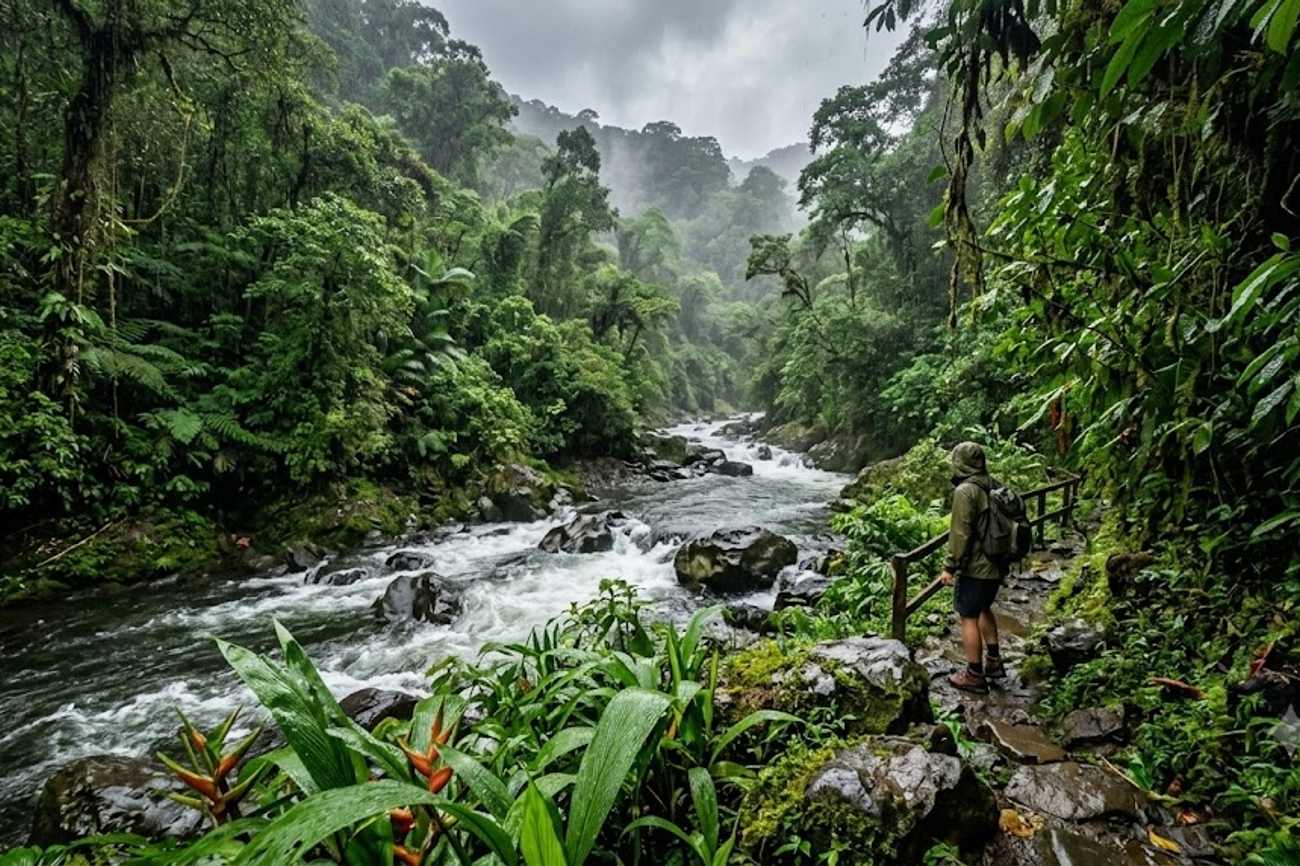
Image generated by AI
**: visitcostarica
Costa Rica is bright green in October. Rain falls often. Rivers run fast. Forests feel full of life. Many travellers think this means they should stay away. That is not a**
Costa Rica is bright green in October. Rain falls often. Rivers run fast. Forests feel full of life. Many travellers think this means they should stay away. That is not always true. October can open a quieter side of Costa Rica. It can lead visitors away from crowded beach towns and famous volcano stops. It can bring them to rainforest rivers, Caribbean shores, wetlands, farms and remote coastal places. The key is to choose the right destination. Costa Rica is not the same everywhere. The Pacific, Caribbean, mountains and northern wetlands each follow their own weather patterns. A good October trip needs flexible plans. It also needs respect for nature. For travellers who want something different, this can be one of the country’s most exciting months.
October Shows Costa Rica at Its Greenest
October sits within Costa Rica’s green season. Rain is part of daily life in many areas. It can change road conditions, make trails muddy and delay outdoor activities. Visitors must not ignore this. They should bring waterproof clothing, good walking shoes and extra time. They should check local forecasts and park updates before travel. Yet rain also creates the Costa Rica that many people dream about. Forests become deep green. Waterfalls grow stronger. Rivers move with power. Frogs, birds and insects are easier to hear and see. The country’s nature does not stop when it rains. It becomes louder. This gives October a strong tourism value. Visitors who accept the weather can find quieter stays, more local contact and a richer nature experience. They can travel more slowly and spend more time in each place.
Costa Rica's official tourism board, the Instituto Costarricense de Turismo, reports that October is an ideal time to experience the country's lush landscapes and vibrant culture. As the rain falls, the forests come alive, and the wildlife becomes more active, making it a great time for nature lovers and adventure seekers. With its two international airports, Juan Santamaría and Liberia, receiving flights from major airlines, getting to Costa Rica is relatively easy.
The South Caribbean Gives October a Different Coastal Story
Costa Rica’s south Caribbean is a strong October choice. Cahuita and Manzanillo offer a mix of beach, rainforest, reef environments and Afro-Caribbean culture. This part of the country has a different weather pattern from the Pacific coast. That does not promise sunshine every day. Rain and rough sea conditions can still happen. But it gives visitors another option when the Pacific is very wet. The official tourism board highlights the Caribbean for its nature reserves, birdwatching, fishing and coral reef exploration. This makes the south Caribbean more than a beach escape. It is a place for people who want to understand a different side of Costa Rica. Visitors can enjoy local food, walk near the coast and choose responsible water activities when conditions are safe. The best tourism story is not a perfect beach holiday. It is a slower cultural coast where rainforest and sea meet.
Barra del Colorado Is Costa Rica’s Hidden Waterworld
Barra del Colorado is a remote wildlife area on Costa Rica’s north-east Caribbean side. It sits near the Nicaragua border and forms part of the country’s protected-area system. This is not a place for a quick visit. It is a place for patient travellers. Waterways, wetlands and rainforest shape the experience. Reaching the area takes planning. Visitors may need boat or small-plane connections. Services can be limited. That is exactly why the destination stands out. Barra del Colorado gives travellers a feeling of being far from Costa Rica’s best-known tourism routes. The tourism angle is powerful: this is a hidden waterworld beyond Tortuguero. Guided boat travel can help visitors see the landscape without disturbing it. Local guides are important because they know the water, wildlife and weather. October can make the setting even more dramatic. Rain feeds the rivers and makes the landscape feel alive. Visitors should keep plans flexible and let nature lead the journey.
Passenger logistics are well-managed in Costa Rica, with both Aeropuerto Internacional Juan Santamaría and Liberia's Guanacaste Airport offering a range of services and amenities for travelers. The airports are well-connected to the rest of the country, with shuttle services, rental cars, and taxis available to take passengers to their destinations. Additionally, many airlines, such as American Airlines, offer flights to Costa Rica from major hubs in the United States and other countries.
Sarapiquí Turns Rain Into a Rainforest Adventure
Sarapiquí is one of the best places to see why October should not be dismissed. It is a lowland rainforest region with rivers, birds, frogs, cacao and rural landscapes. Here, rain is not a problem to escape. It is part of the show. A wet forest is full of sound. Leaves drip. insects move. Birds call. The river carries energy through the landscape. Sarapiquí suits travellers who want guided wildlife walks, river experiences, birdwatching and farm visits. It is less about luxury resorts and more about being close to nature. This helps create a better tourism balance. Visitors can move beyond the busy Arenal area and spend money with smaller lodges, guides and local producers. Sarapiquí’s strongest message is simple: the rainforest becomes more real when it rains. It is ideal for visitors who do not mind wet shoes and who want a true nature holiday.
Turrialba Brings Coffee Cacao and Volcano Landscapes Together
Turrialba gives travellers a quieter view of Costa Rica’s Central Valley. It has volcanic scenery, farms, coffee, cacao and river activities. It is a good choice for people who want to understand the land behind the country’s food and drink. Turrialba is not built around mass tourism. That makes it valuable. Visitors can stay in rural areas, meet local producers and enjoy a slower pace. The area also connects with Turrialba Volcano National Park. But visitors must check official access details before making plans. Volcano activity, weather and safety rules can affect visits. The best October story is not about reaching every viewpoint. It is about taking time. Travellers can learn how coffee and cacao move from soil to cup or plate. They can see mist over farms and mountains. Turrialba shows that Costa Rica can offer meaningful rural tourism without the crowds of its biggest adventure destinations.
For those planning to visit Costa Rica in October, the Ministerio de Ambiente y Energía provides valuable insights into the country's national parks and wildlife refuges, which are must-visit destinations during this time. The ministry's website offers information on the best places to see wildlife, including sloths, monkeys, and toucans, as well as tips on how to explore the country's beautiful landscapes sustainably. By planning ahead and visiting the Costa Rican Ministry of Tourism website, travelers can make the most of their trip and experience the best of Costa Rica's wild side.
Caño Negro Offers a Quiet Wetland Safari
Caño Negro in northern Costa Rica offers a very different kind of wildlife holiday. This is wetland country. Visitors can explore water channels by boat with local guides. The experience is based on watching, waiting and listening. It is not a loud or fast attraction. Birds, reptiles and wetland life are the focus. This makes Caño Negro a strong option for birdwatchers, photographers and travellers who want a peaceful nature break. October conditions can be wet. That is normal in a wetland landscape. Visitors should expect rain and bring suitable clothing. The reward is the chance to see Costa Rica away from the popular beach and volcano circuit. Caño Negro can be promoted as a hidden wetland safari. It also shows why responsible tourism matters. Small groups and trained guides can help protect delicate habitats while bringing income to local communities.
The South Pacific Offers a Wilder Green-Season Journey
Costa Rica’s South Pacific remains one of its least-developed tourism regions. It has rainforest, beaches and a more remote feeling than many famous Pacific destinations. October can be very wet here. This is important. It is not the right choice for visitors who need a fixed beach plan with every hour mapped out. Roads, boat trips and outdoor activities can change with the weather. Yet this is also why the region has great appeal. It gives flexible travellers a chance to see the country at its most green and wild. The forests look rich. The coast feels dramatic. Small lodges and local guides can offer a more personal experience. This is a destination for people who value nature more than perfect weather. The best tourism angle is Costa Rica’s green-season frontier. It asks visitors to slow down, stay longer and accept that the weather is part of the adventure.
Responsible Travel Matters More in October
Costa Rica protects a large part of its land through national parks, reserves and other protected areas. This gives tourism a big responsibility. Visitors should stay on marked trails, follow park rules and never feed wildlife. They should choose guides and businesses that respect the land and local people. They should avoid touching coral or disturbing animals for photographs. In wet weather, visitors should also respect safety warnings. Rivers can rise
FAQ: Costa Rica Unlocks Six Secret October Escapes 2026
What is the weather like in October? Rainfall reveals Costa Rica's lush landscapes.
Are national parks open in October? Yes, most parks remain open throughout October.
Can I see wildlife in October? Yes, October is ideal for spotting migratory birds.
Are October prices lower for tourists? Yes, prices for accommodations often decrease.
Related Travel Guides
Disclaimer
This article is for informational and educational purposes only. It does not constitute legal, financial, or professional advice. While we strive to provide accurate and up-to-date information, travel policies, regulations, and conditions change rapidly. Always verify information with official sources before making travel decisions. Nomad Lawyer makes no representations about the accuracy, reliability, completeness, or suitability of the information provided. Readers should consult qualified professionals for advice specific to their circumstances. The views expressed in this article are those of the author and do not necessarily reflect the views of Nomad Lawyer.
Raushan Kumar
Founder & Lead Developer
Full-stack developer with 11+ years of experience and a passionate traveller. Raushan built Nomad Lawyer from the ground up with a vision to create the best travel and law experience on the web.
Learn more about our team →