
Taiwan Expands US Travel Connectivity With New 2026 Tourism Strategy and Flight Growth
Taiwan is aggressively targeting the US market through a strategic three-city workshop series and expanded air links to drive repeat visits and deeper cultural exploration.

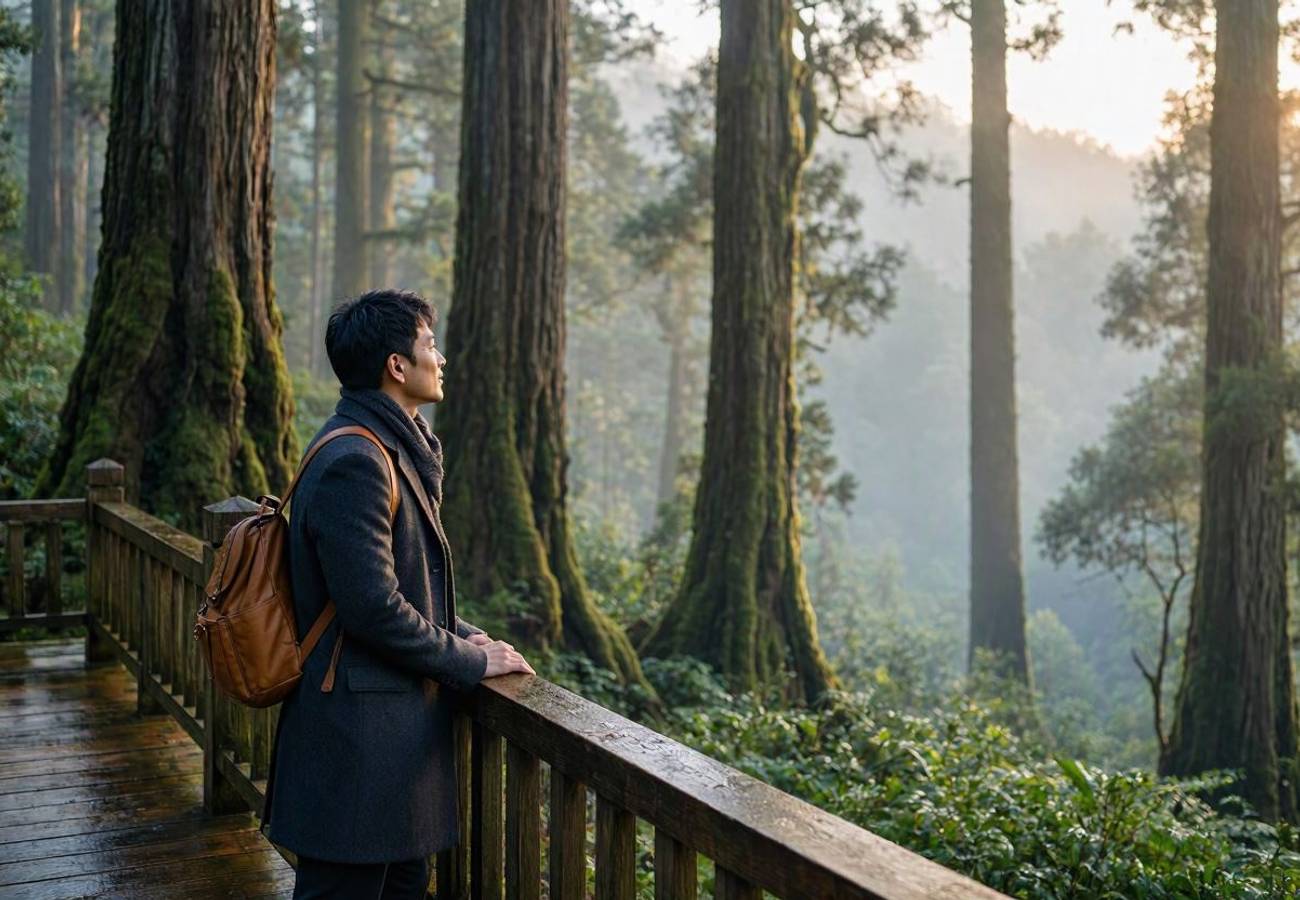
Image generated by AI
The Midwest has not seen an official Taiwanese tourism delegation in seven years, but that silence ended this month as the Taiwan Tourism Administration (TTA) launched a targeted three-city offensive across New York, Chicago, and Los Angeles. This is not merely a promotional tour; it is a calculated move to pivot from attracting first-time sightseers to capturing a sophisticated demographic of repeat visitors and high-value MICE (Meetings, Incentives, Conferences, and Exhibitions) groups.
The Shift Toward High-Value Repeat Visitation
For years, Taiwan was often viewed by North Americans as a transit stop or a single-city destination centered on Taipei. However, the data reveals a significant shift in traveler behavior. In 2025, repeat visitors accounted for 42.25% of all international arrivals, a figure that mirrors the peak levels seen in 2019 before the global pandemic. This suggests that once travelers experience the island, they are returning to explore the regions they missed.
To capitalize on this, the TTA is moving beyond the "greatest hits" itinerary. The current strategy focuses on converting business travelers into leisure tourists by encouraging "bleisure" extensions. By integrating professional events with local experiences, Taiwan is attempting to increase the average length of stay for US visitors. The recent workshops in the US specifically paired Taiwanese hoteliers and airlines with American travel agents to build bespoke packages that move beyond the urban core.
What Makes Taiwan Different
Unlike many East Asian destinations that rely on a single cultural identity, Taiwan is a hybrid of indigenous heritage, colonial history, and hyper-modernity. The island's appeal lies in the contrast between its 24-hour urban energy and its silent, misty highlands.
In the north, Taipei offers a seamless blend of world-class museums and chaotic, aromatic night markets. Moving south, Tainan serves as the historical soul of the island, where traditional food and ancient sites provide a slower pace of life. The central highlands, specifically Alishan, offer a distinct tea culture and mountain rail journeys that are unique in the region. To the east, Hualien provides a raw, outdoor contrast with rugged coastal cliffs and deep gorges.
The infrastructure supporting this diversity is formidable. Currently, more than 200 weekly round-trip flights link Taiwan with 13 major North American cities. This connectivity is managed through key gateways that make the long-haul journey more accessible for those who previously found the logistics daunting. For those planning their logistics, the Taiwan Tourism Administration provides the most current updates on entry requirements and regional highlights.
Visitor Insider Tips
Having navigated the island's rhythms, I can tell you that the "tourist" version of Taiwan is only the surface. To experience the island like a local, you need to embrace the contradictions.
Timing and Flow: To avoid the crushing crowds at the Alishan sunrise viewpoints or the Taipei 101 observatory, aim for weekday visits. If you are visiting during a festival period, book your High-Speed Rail (HSR) tickets weeks in advance, as they sell out rapidly.
The Night Market Code: When visiting night markets, do not stick to the main thoroughfares. The best "small eats" (xiaochi) are usually found in the narrow side alleys where there are no English menus. Carry small denominations of New Taiwan Dollars (TWD), as these vendors rarely accept cards.
Transport Hacks: While the metro in Taipei is flawless, the real secret to exploring the island is the Taiwan Railways Administration for the east coast and the HSR for the west. For a truly local experience, rent a scooter in the rural areas of Tainan or Hualien, but only if you are an experienced rider—the traffic patterns are unique and fast.
Etiquette Note: When visiting temples, always enter through the right door and exit through the left. It is a small detail, but it signals to the locals that you respect the spiritual flow of the space.
Cultural and Environmental Context
Tourism in Taiwan is currently navigating a delicate balance between economic growth and environmental preservation. The surge in visitors to places like Sun Moon Lake and Alishan has put pressure on local ecosystems. In response, there is a growing movement toward "slow travel" and eco-tourism, encouraging visitors to use cycling paths and public transit rather than private tour buses.
Furthermore, there is a concerted effort to highlight indigenous cultural traditions. Rather than treating these as performances for tourists, the TTA is promoting authentic community-led experiences. This ensures that the economic benefits of tourism reach the mountain villages and coastal communities, not just the urban hotel chains. This shift is part of a broader goal to protect the island's heritage from being homogenized by mass tourism. For those interested in the preservation of such sites, the UNESCO World Heritage Centre provides context on the types of cultural landscapes Taiwan strives to protect.
FAQ: Visiting Taiwan 2026
What is the best time to visit Taiwan? The ideal windows are October to December (autumn) and March to May (spring). These periods offer mild temperatures and avoid the heavy rains of the summer monsoon and the humidity of July and August.
Do I need a visa for US citizens? Generally, US passport holders do not need a visa for short-term tourist stays. However, always verify your specific passport validity and current entry rules via official government channels before booking.
How do I get from Taipei to the southern regions? The High-Speed Rail (HSR) is the fastest method, connecting Taipei to Kaohsiung in about two hours. For the east coast (Hualien), the conventional train is the only viable option.
Is Taiwan safe for solo travelers? Yes, Taiwan is consistently ranked as one of the safest destinations globally for solo travelers, including women. The public transport is reliable, and the local population is famously hospitable to foreigners.
The island is no longer just a stopover; it is the destination.
Related Travel Guides
Disclaimer
This article is for informational and educational purposes only. It does not constitute legal, financial, or professional advice. While we strive to provide accurate and up-to-date information, travel policies, regulations, and conditions change rapidly. Always verify information with official sources before making travel decisions. Nomad Lawyer makes no representations about the accuracy, reliability, completeness, or suitability of the information provided. Readers should consult qualified professionals for advice specific to their circumstances. The views expressed in this article are those of the author and do not necessarily reflect the views of Nomad Lawyer.
Kunal K Choudhary
Co-Founder & Contributor
A passionate traveller and tech enthusiast. Kunal contributes to the vision and growth of Nomad Lawyer, bringing fresh perspectives and driving the community forward.
Learn more about our team →