
China, India, and Saudi Arabia Expand Luxury Hospitality with New 2026 Wellness and Urban Hotel Openings
New luxury developments in Chengdu, Lonavala, and AMAALA signal a strategic shift toward wellness and residential-integrated tourism across Asia and the Middle East.

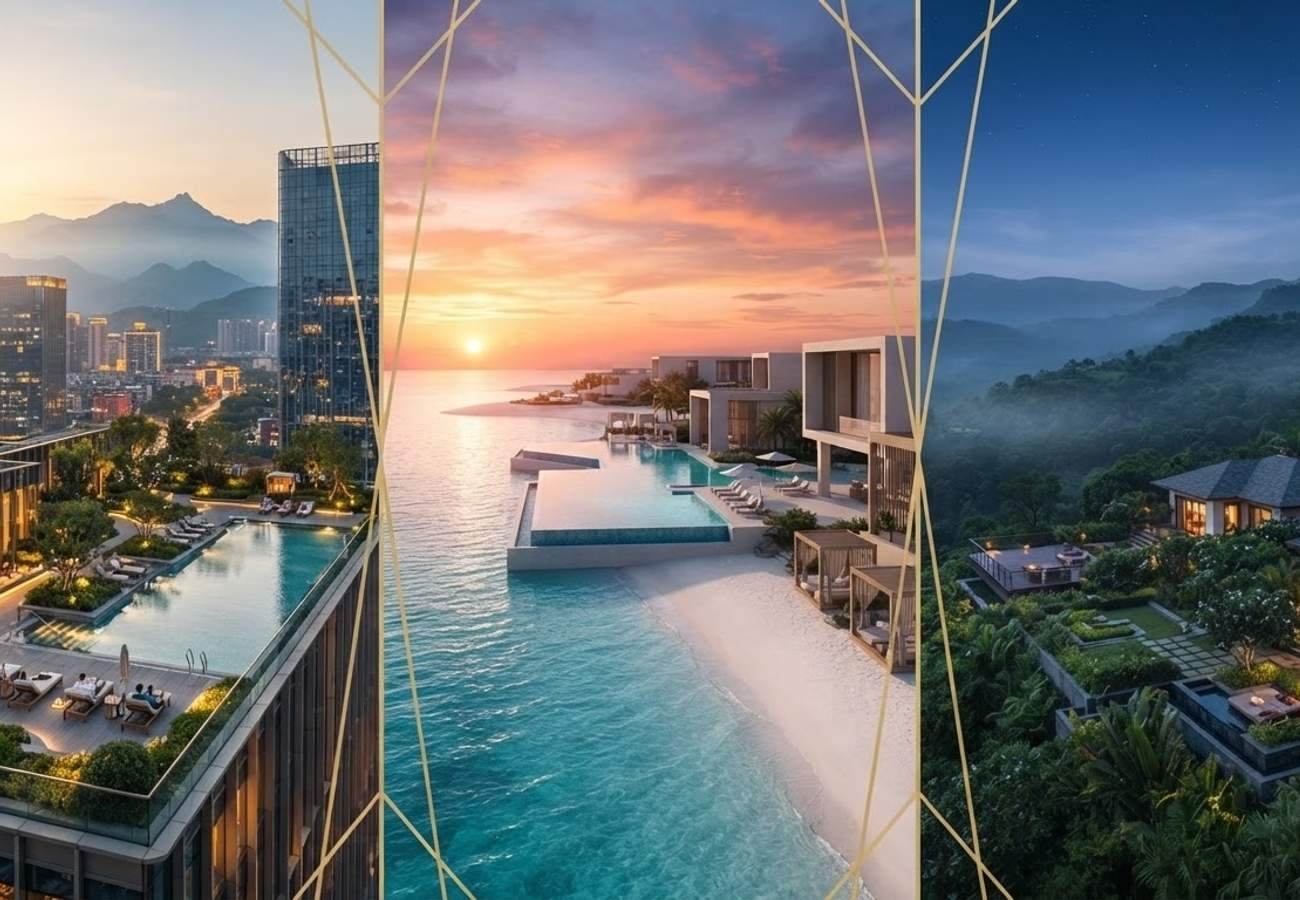
Image generated by AI
Asia and the Middle East are aggressively scaling premium infrastructure, with new luxury openings in China and Saudi Arabia and a major residential-resort announcement in India.
Premium Hospitality Expansion Across Three Key Markets
Between 26 August and 3 September 2026, three significant luxury hospitality developments were verified across China, India, and Saudi Arabia. These projects indicate a synchronized effort to capture the high-net-worth traveler market by blending traditional hotel stays with wellness-centric facilities and branded residential models.
While the developments in Chengdu and AMAALA are now operational, the Lonavala project remains in the announcement phase. Despite these infrastructure additions, there have been no accompanying changes to visa requirements, passport regulations, or border procedures in any of the three nations.
Comparative Development Specifications
| Location | Project Status | Room/Unit Count | Primary Focus | Key Facilities |
|---|---|---|---|---|
| Chengdu, China | Operational | 155 rooms/suites | Urban Business & Leisure | 480 sqm event space, rooftop garden |
| AMAALA, Saudi Arabia | Operational | 128 rooms + 21 residences | Wellness & Recovery | 1,602 sqm spa, cryotherapy, hyperbaric chamber |
| Lonavala, India | Announced | 100 rooms + 32 villas | Nature & Residential | 34-acre site, Zen gardens, nature trails |
Urban Integration: Chengdu’s Premium Growth
China is intensifying its focus on premium urban tourism in Sichuan Province. The new property in Chengdu, which opened on 27 August 2026, serves as the collection's tenth hotel in China and third in Chengdu.
The facility is designed for high-capacity business and leisure use, featuring 480 square metres of adaptable event space for banquets and private functions. For leisure guests, the property includes a fitness centre and a seventh-floor rooftop garden.
This opening is part of a larger regional strategy. The parent collection currently operates over 230 hotels in Western China, with an additional 140 properties in the pipeline. The overarching goal is to double the Greater China portfolio by 2030, with upcoming properties slated for Hangzhou, Guangzhou, Sanya, and Lanxi.
Wellness and Coastal Luxury: The AMAALA Expansion
Saudi Arabia continues to diversify its tourism economy via the Red Sea coast. On 3 September 2026, a new wellness-led resort opened at AMAALA’s Triple Bay.
The property offers 128 rooms and suites across six categories, including two penthouse suites, and 21 branded residences. The facility is heavily weighted toward medical wellness and athletic recovery, featuring:
- Training Space: 704 square metres.
- Spa Facilities: 1,602 square metres including an infrared sauna and cryotherapy chamber.
- Specialized Equipment: A magnesium vitality pool and a hyperbaric oxygen chamber.
This development aligns with broader national trends. Saudi Arabia recorded 123 million tourist visits in 2025, with licensed hospitality establishments reaching 5,937 by the fourth quarter of that year.
Residential-Resort Models: Lonavala’s Future Offering
In India, the focus is shifting toward integrated nature-based luxury. A 34-acre development has been announced for Lonavala, Maharashtra, situated within the Western Ghats.
The project will utilize a lease-back programme, connecting 32 branded villas with a 100-room resort. Planned amenities include a two-acre central park, stargazing decks, and Zen gardens. While this model allows for extended-stay and family-oriented luxury travel, a confirmed completion date has not yet been published.
Traveler Logistics Guide
From a ground-level perspective, navigating these new luxury hubs requires different strategies based on the destination's current infrastructure.
Navigating Chengdu (Urban Transit) For those visiting the new Chengdu property, the focus should be on urban mobility. Since no new visa rules were introduced, travelers should utilize existing e-visa channels. For seamless transit from the airport to the city center, utilizing ride-hailing apps with integrated translation is the most efficient method for business travelers.
Accessing AMAALA (Coastal Logistics) The AMAALA resort is part of a developing destination. Travelers should coordinate transfers directly through the resort, as the surrounding infrastructure (including the planned marina and yacht facilities) is still scaling. Ensure all health and wellness documentation is updated if utilizing the specialized medical recovery facilities.
Planning for Lonavala (Future Travel) As the Lonavala project is not yet operational, travelers seeking nature-based luxury in the Western Ghats should stick to existing premium boutiques. Once the branded villas open, the lease-back model will likely make this a primary destination for "slow travel" and long-term residential stays.
Infrastructure Impact Assessment
The simultaneous expansion in these three regions suggests a move away from generic luxury toward "specialized hospitality." China is doubling down on the MICE (Meetings, Incentives, Conferences, and Exhibitions) sector in Western China, while Saudi Arabia is positioning itself as a global hub for high-end wellness and recovery. India's move toward branded residences in Lonavala indicates a growing demand for hybrid ownership-hospitality models.
Together, these developments increase the total room inventory for high-spending tourists, though their immediate impact on arrival numbers remains to be seen until occupancy data is released.
The shift toward branded residences and medical wellness suggests that luxury travel in 2026 is no longer just about the stay, but about integrated lifestyle assets.
Related Travel Guides
Disclaimer
This article is for informational and educational purposes only. It does not constitute legal, financial, or professional advice. While we strive to provide accurate and up-to-date information, travel policies, regulations, and conditions change rapidly. Always verify information with official sources before making travel decisions. Nomad Lawyer makes no representations about the accuracy, reliability, completeness, or suitability of the information provided. Readers should consult qualified professionals for advice specific to their circumstances. The views expressed in this article are those of the author and do not necessarily reflect the views of Nomad Lawyer.
Preeti Gunjan
Contributor & Community Manager
A passionate traveller and community builder. Preeti helps grow the Nomad Lawyer community, fostering engagement and bringing the reader experience to life.
Learn more about our team →