
China Emerges as Primary Destination for Malaysian Travelers Amid Shift Toward Immersive Cultural Tourism
Sri America Travel Corporation targets the Malaysian market with visa-free China packages and slow-travel heritage tours, including the Grand Canal of Jinan.

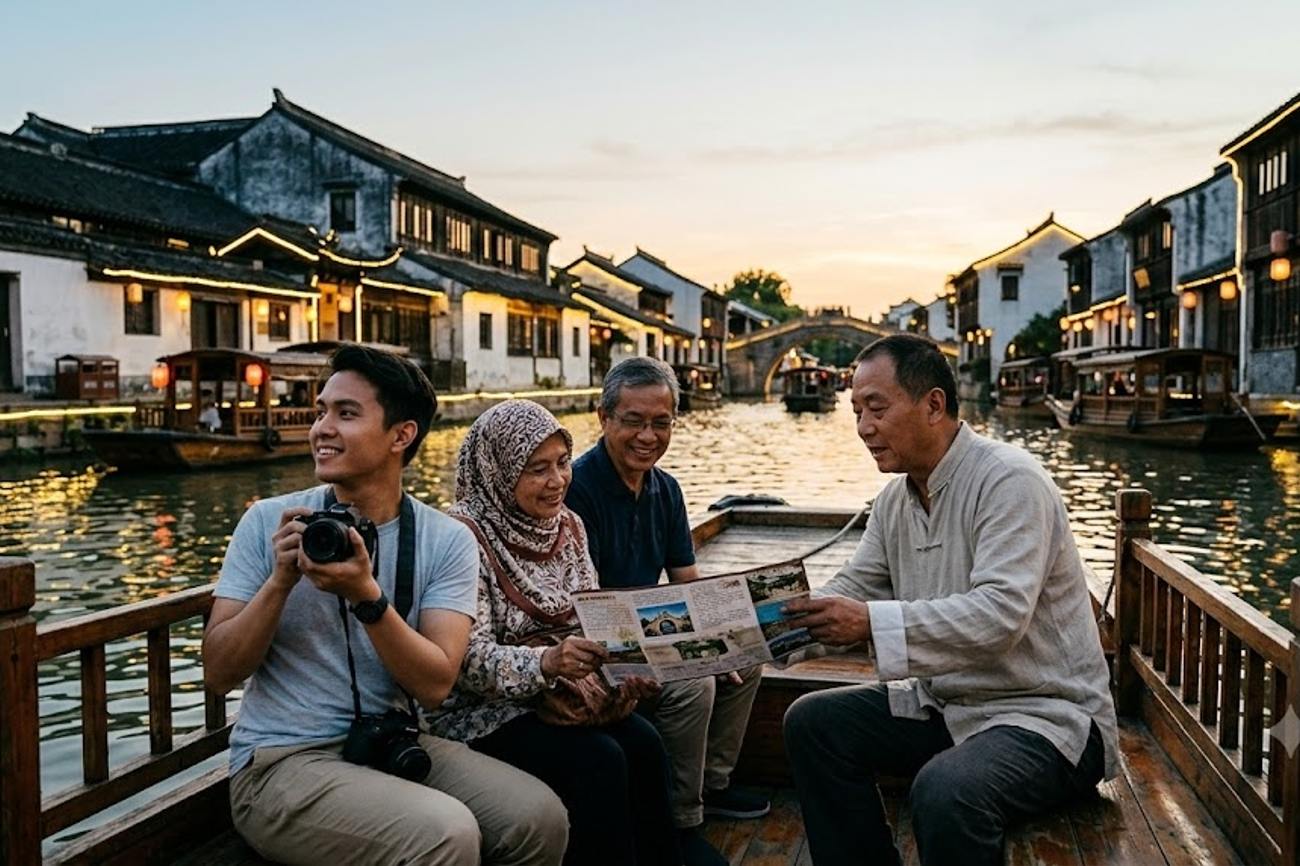
Image generated by AI
Kuala Lumpur, September 6, 2026 —
The landscape of Asian tourism is shifting as China transforms into a top-tier choice for international travelers, driven by a combination of aggressive pricing strategies and the removal of visa barriers. During the MATTA Fair 2026, industry leaders highlighted a distinct move away from "checklist tourism" toward meaningful, slow-paced cultural engagement.
High Consumer Engagement at MATTA Fair 2026
The atmosphere at MATTA Fair 2026 reflected a high state of readiness among travelers, with a significant volume of visitors utilizing the event to secure bookings for the remainder of the year and into 2027. According to Brendon Y.S. Chai, Managing Director of Sri America Travel Corporation, the energy at the fair was notably vibrant, characterized by a consumer base that arrived with specific intentions and a clear vision for their future travel plans.
Industry observers noted that the traffic around travel booths was high-energy, as visitors sought to capitalize on early-bird offers and structured holiday packages. This trend suggests that travelers are planning their international excursions further in advance than in previous years, seeking stability and value in their booking process.
Competitive Edge and Visa-Free Access in China
China has seen a dramatic increase in demand, which officials attribute to two primary factors: the implementation of visa-free entry for specific markets and a highly competitive pricing environment among tour operators.
Brendon Y.S. Chai noted that the current market for China tour packages is exceptionally competitive, with operators vying for market share by offering high-value products at lower price points. The removal of visa requirements has effectively eliminated one of the most significant psychological and administrative barriers to entry, making China a friction-less option for Malaysian tourists.
Rather than relying solely on price drops, the strategy has evolved to include the development of specialized experiences that move beyond the standard tourist circuit. The goal is to leverage the ease of entry to introduce travelers to the depth of China's regional diversity.
Launch of the Grand Canal of Jinan Heritage Tour
A centerpiece of the new tourism strategy is the launch of the Grand Canal of Jinan tour. This itinerary is specifically designed to disrupt the "run-of-the-mill" travel experience by focusing on heritage and historical significance.
To introduce this product, Sri America Travel Corporation utilized large-scale digital presentations at MATTA Fair, allowing potential travelers to preview the destination's activities and cultural touchpoints before committing to a booking. This transparency in itinerary planning is part of a broader industry trend where travelers demand a clear understanding of the "value-add" of a tour beyond simple transportation and lodging.
The Grand Canal of Jinan tour serves as a blueprint for future offerings, prioritizing historical immersion over rapid-fire sightseeing.
Transition to Slow Travel and Deep-Dive Itineraries
The modern traveler is becoming increasingly sophisticated, leading to a decline in the popularity of high-speed, multi-city tours. In response, there is a growing movement toward "mono-city" or single-region itineraries that allow for a "deep dive" into local life.
This experiential approach is particularly evident in regions like Yunnan, where itineraries are being restructured to include:
- Farm-to-Table Dining: Integrating local agriculture into the culinary experience.
- Community Integration: Staying within eco-villages to support local economies.
- Artisanal Workshops: Engaging in hands-on arts and crafts sessions with local masters.
By extending the duration of stay in a single location, travelers can engage with the community on a human level, reducing the environmental and mental stress associated with traditional group travel.
The Return of Independence in Group Travel
One of the most significant changes in group tour architecture is the intentional integration of "free days." Historically, group tours were characterized by rigid schedules that left virtually no room for personal exploration.
Industry data suggests that travelers now seek a hybrid model: the security of an organized group combined with the freedom of independent discovery. By incorporating unscheduled days, tour operators are allowing travelers to explore cities at their own pace, visit niche interests, or simply rest. This balance is seen as essential for maintaining customer satisfaction in an era where autonomy is highly valued.
Human-Centric Service in a Digital Era
Despite the proliferation of AI and automated booking systems, the travel industry remains a "people's business." Sri America Travel Corporation emphasizes a personal touch over total reliance on technology, arguing that the complexities of international travel require human empathy and real-time problem solving.
To protect customers and ensure a seamless experience, the company employs dedicated coordinators who provide a layer of personal oversight. This human-centric approach is designed to mitigate the risks associated with group holidays and provide a safety net that technology cannot currently replicate.
Why This Matters (Information Gain & Experience)
For the modern traveler, the shift toward "slow travel" in China represents a fundamental change in how we consume culture. For decades, tourism in East Asia was defined by the "bus-and-flag" model—rapidly moving through five cities in ten days. The move toward deep-dive itineraries in places like Jinan or Yunnan means that the traveler is no longer a passive observer but an active participant in the local ecosystem.
From a logistical standpoint, the combination of visa-free access and competitive pricing lowers the barrier to entry, but the real value lies in the "Information Gain" of the trip. When a traveler spends three days in an eco-village rather than three hours at a monument, the psychological impact and the quality of the memory are significantly higher. For the consumer, this means a shift from "seeing" a country to "experiencing" it, which ultimately drives higher satisfaction and repeat travel.
Related Travel Guides
Disclaimer
This article is for informational and educational purposes only. It does not constitute legal, financial, or professional advice. While we strive to provide accurate and up-to-date information, travel policies, regulations, and conditions change rapidly. Always verify information with official sources before making travel decisions. Nomad Lawyer makes no representations about the accuracy, reliability, completeness, or suitability of the information provided. Readers should consult qualified professionals for advice specific to their circumstances. The views expressed in this article are those of the author and do not necessarily reflect the views of Nomad Lawyer.
Raushan Kumar
Founder & Lead Developer
Full-stack developer with 11+ years of experience and a passionate traveller. Raushan built Nomad Lawyer from the ground up with a vision to create the best travel and law experience on the web.
Learn more about our team →