
UAE Aviation Surge 2026: Air Arabia Slashes Fares as Emirates and Etihad Expand Global Routes
The UAE aviation sector is entering a hyper-competitive phase in 2026, with Air Arabia launching aggressive fare sales while major carriers unlock new international routes to boost global connectivity.

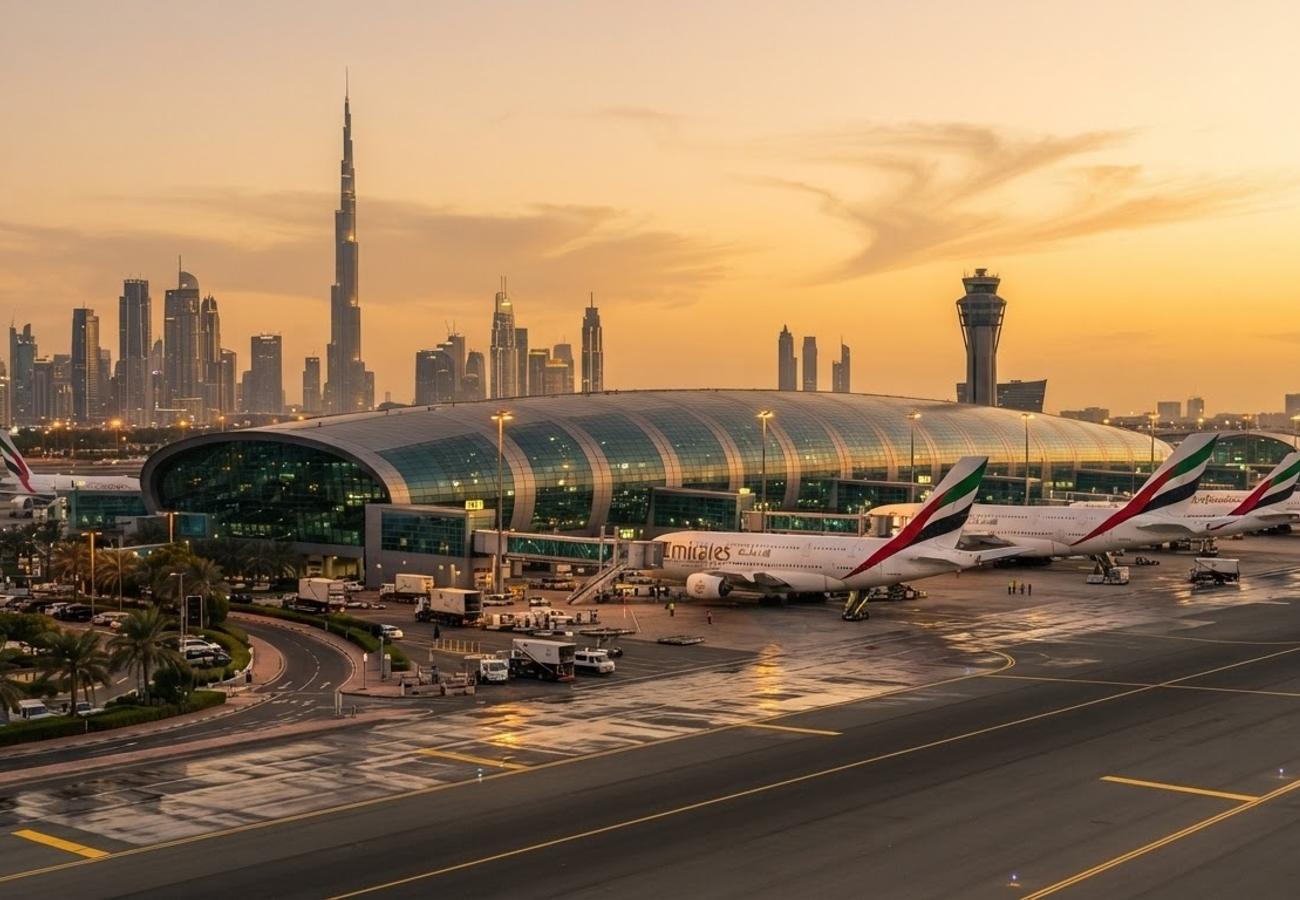
Image generated by AI
UAE airlines are triggering a massive surge in passenger traffic for 2026, characterized by a strategic split between aggressive low-cost discounting and the launch of high-end global corridors. Air Arabia has already initiated significant fare reductions to capture budget-conscious travelers, while carriers across Dubai, Abu Dhabi, and Sharjah are simultaneously scaling their international networks to cement the region's status as the world's primary aviation crossroads.
The aviation landscape in the United Arab Emirates is shifting toward a high-competition model. Industry reports indicate that airlines operating out of the nation's three primary hubs—Dubai, Abu Dhabi, and Sharjah—are deploying a dual-track strategy. By offering promotional rates for budget travelers and upgrading luxury services for premium passengers, these carriers are attempting to capture every segment of the modern travel market.
This systemic expansion is not merely about increasing flight counts; it is a calculated move to integrate Europe, Asia, Africa, and the Middle East more tightly through the UAE's infrastructure. This approach responds to a new demographic of global travelers who prioritize a blend of cost-efficiency, scheduling flexibility, and onboard comfort.
Air Arabia Drives Demand With Aggressive Fare Campaigns
Sharjah-based Air Arabia is leading the charge for affordable travel with a newly launched fare sale. This initiative is designed to stimulate immediate passenger demand and lower the barrier to entry for international travel. By leveraging a lean low-cost carrier (LCC) model, Air Arabia is positioning itself as the primary choice for expatriates, families, and leisure travelers who are highly sensitive to ticket pricing.
Industry observers note that these promotional campaigns are a strategic response to global trends where passengers now use sophisticated comparison tools to vet multiple airlines before booking. By slashing prices, Air Arabia is not only securing its own market share but also supporting the UAE's broader national tourism goals. Increasing the volume of passengers flowing through Sharjah International Airport creates a ripple effect that benefits local hospitality and retail sectors.
Strategic Route Expansion Across Dubai and Abu Dhabi
While budget fares attract the masses, the UAE's aviation giants are focusing on "unlocking" the map. Carriers are accelerating the rollout of new routes to emerging markets, reducing travel times and providing more direct options for international commuters. This expansion reinforces the role of Dubai and Abu Dhabi as indispensable gateways for global trade and tourism.
The growth in connectivity is supported by massive investments in airport technology and infrastructure. By opening routes to underserved regions, UAE carriers are tapping into new passenger segments and diversifying their revenue streams. For the traveler, this means fewer layovers and more competitive pricing due to the increased number of available seats on long-haul corridors. This network growth is a clear signal that the industry has moved past the recovery phase of previous years and is now in a period of aggressive offensive growth.
Balancing Budget Accessibility With Premium Cabin Upgrades
A notable trend in the 2026 market is the refusal of UAE airlines to choose between "cheap" and "luxury." Instead, they are pursuing both. While Air Arabia handles the budget surge, other carriers are investing heavily in the "end-to-end" passenger experience. This includes significant upgrades to premium cabins, enhanced loyalty program rewards, and the integration of advanced digital tools to streamline the booking and boarding processes.
The focus has shifted from the ticket price to the total value of the journey. Investments are being directed toward:
- Personalized Onboard Services: Tailored dining and wellness options for business and first-class passengers.
- Digital Integration: Seamless app-based management of travel itineraries and airport lounge access.
- Flexible Fare Structures: New ticketing options that allow premium travelers to change dates with minimal penalties.
By balancing these two extremes, UAE airlines can maximize revenue per seat while ensuring they do not alienate the price-sensitive leisure market.
The New Era of Passenger Competition in the Middle East
The UAE aviation sector has entered a phase of intense internal and external competition. The race for passenger loyalty is no longer fought on a single front. Airlines are now competing on a triad of price, network reach, and service quality. This environment is overwhelmingly beneficial for the consumer, as it forces carriers to innovate rapidly to avoid losing market share.
From a macroeconomic perspective, this aviation surge is a pillar of the UAE's economic diversification strategy. By strengthening the links between international business hubs and the Emirates, the government is ensuring that tourism and trade remain primary drivers of GDP growth. The ability to move millions of people efficiently across continents is a strategic asset that provides the UAE with a competitive edge over other regional hubs.
Sustaining Growth Amid Evolving Travel Patterns
The confidence shown by UAE carriers in 2026 suggests a permanent shift in travel demand. There is a growing appetite for "hybrid" travel—where passengers may fly budget for short hops but opt for premium services on long-haul segments. UAE airlines are uniquely positioned to capture this trend because of the variety of carriers operating within a small geographic area.
As more airlines enter the market and existing ones expand their fleets, the focus will likely shift toward sustainable growth and operational efficiency. However, the immediate priority remains market penetration. The combined force of affordability and accessibility is transforming the UAE into a frictionless travel hub where the user experience is the primary product.
Why This Matters for the Traveler
For the average passenger, this competition translates into a "Golden Age" of choice. The presence of aggressive fare sales from carriers like Air Arabia means that international travel is becoming democratized, allowing lower-income brackets to access global destinations. Simultaneously, the expansion of routes means that the "hidden costs" of travel—such as long layovers and multiple connecting flights—are decreasing.
From a logistical standpoint, the UAE is effectively reducing the "friction" of global movement. Whether you are a digital nomad seeking the cheapest route to Asia or a corporate executive requiring a seamless luxury experience to Europe, the 2026 UAE aviation strategy ensures there is a product tailored to your specific budget and comfort level.
The battle for the skies in 2026 is no longer just about who flies the furthest, but who provides the most value per mile.
Related Travel Guides
Disclaimer
This article is for informational and educational purposes only. It does not constitute legal, financial, or professional advice. While we strive to provide accurate and up-to-date information, travel policies, regulations, and conditions change rapidly. Always verify information with official sources before making travel decisions. Nomad Lawyer makes no representations about the accuracy, reliability, completeness, or suitability of the information provided. Readers should consult qualified professionals for advice specific to their circumstances. The views expressed in this article are those of the author and do not necessarily reflect the views of Nomad Lawyer.
Preeti Gunjan
Contributor & Community Manager
A passionate traveller and community builder. Preeti helps grow the Nomad Lawyer community, fostering engagement and bringing the reader experience to life.
Learn more about our team →