
Chile Dominates Latin American Coolcation Trend: Why US Gen Z and Gen X Are Ditching Hot Beaches for Eco-Lodges, Vineyards, and Cloud Forests in 2026
Chile surpasses Ecuador, Brazil, and Peru as the top coolcation destination for American travelers seeking sustainable wellness retreats, high-altitude trekking, and boutique vineyard hotels across Latin America.

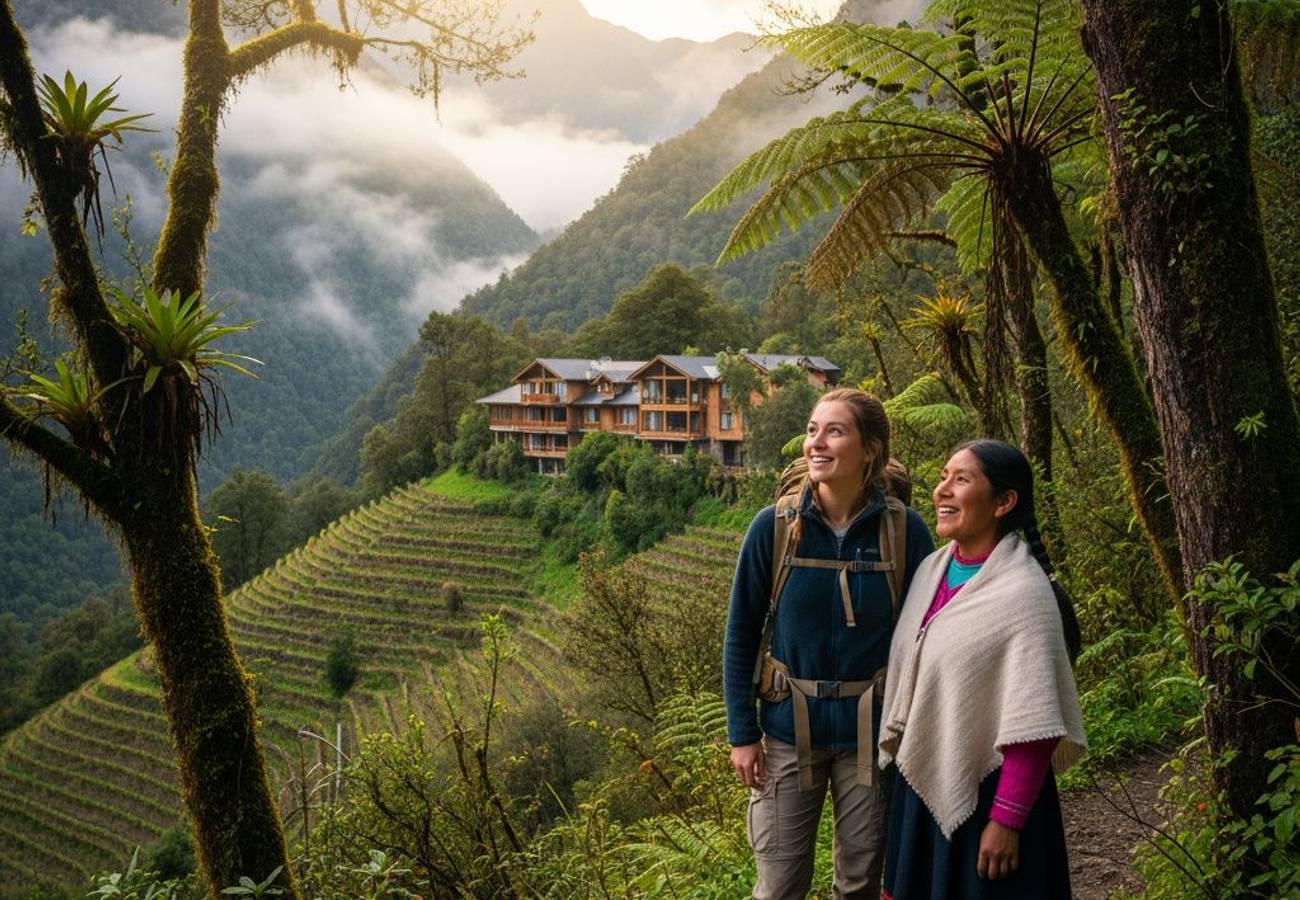
Image generated by AI
The Great American Tourism Escape: How Chile Won the Coolcation Wars
The narrative is unmistakable. American travelers—particularly Gen Z and Gen X demographics—are abandoning scorching beach resorts and overcrowded European capitals for something radically different. They're chasing cooler climates, quieter mountains, and transformative experiences. And Chile is winning that battle decisively.
A comparative global research study reveals that Chile now ranks 23rd among international coolcation destinations, outpacing traditional Latin American favorites like Ecuador, Brazil, Costa Rica, Peru, and Colombia. This isn't just a travel trend. It's a structural shift reshaping airline strategies, hotel development, and destination marketing across multiple continents.
Reddit: "The days of fighting crowds at Machu Picchu are over. I spent three weeks in Valle de Elqui stargazing from my vineyard lodge and it cost less than a week in Cancun." — r/travel
Why Coolcations Are Redefining Global Travel Behavior
The word "coolcation" may sound trendy, but the movement behind it is deeply rooted in reality. Extreme heat waves, overtourism at traditional destinations, and a generational shift toward wellness and authenticity are fundamentally changing how Americans choose where to travel.
Travelers are moving away from checklist tourism—snapping photos at iconic landmarks—and toward meaningful experiences that prioritize physical and mental wellbeing. They want space. They want tranquility. They want to reconnect with nature without standing in a queue.
The 35-44 age demographic currently controls the largest spending share in the coolcation market, bringing significant disposable income and family-oriented wellness priorities. But the 25-34 age group is the fastest-growing segment, actively seeking undiscovered destinations that photograph well and generate authentic social media engagement.
Chile's Unique Positioning: Astronomy, Wine, and Wellness Converge
Valle de Elqui epitomizes why Chile is crushing this trend. Located in the Atacama Desert region, it combines three powerhouse elements: world-class vineyard hotels, extraordinary night skies for astronomy tourism, and exceptionally cool evening temperatures year-round.
Boutique vineyard lodges, wellness retreats, and astronomy experiences allow travelers to disconnect from urban chaos while sipping Carmenere under some of the clearest skies on Earth. Santiago's robust international air connectivity—with American Airlines, Delta, and LATAM all offering direct service—removes friction from the travel planning process.
Unlike Brazil or Costa Rica, which battle tourism saturation at their flagship destinations, Chile's coolcation appeal remains geographically dispersed. The destination naturally deters the Instagram-obsessed crowds seeking predictable experiences.
How Ecuador, Brazil, Peru, and Colombia Are Playing Catch-Up
Ecuador's Mindo Cloud Forest delivers consistent moderate temperatures and world-class birdwatching that frankly outperforms Costa Rica on biodiversity metrics. The eco-lodge sector here is booming. Yet Ecuador still struggles with the perception problem: most Americans don't know where Mindo is.
Brazil's Chapada Diamantina is a revelation for travelers bored with Rio de Janeiro and São Paulo. Mountains, waterfalls, and adventure lodges create an entirely different Brazil narrative. But improving domestic airline networks remain essential to converting international arrivals into sustained regional tourism growth.
Peru's Ausangate region successfully merges Andean cultural heritage with modern wellness tourism—a combination few destinations execute well. Luxury mountain lodges and traditional wellness practices position Peru as a restorative travel destination. Yet high-altitude trekking still limits accessibility for older Gen X travelers.
Colombia's Minca represents the authenticity play. Coffee plantation stays, mountain climates, and genuine local engagement appeal directly to younger travelers seeking immersive experiences over resort comfort. However, persistent safety perception challenges—though largely outdated—continue dampening mainstream American adoption.
The Comparative Advantage Table: Where Travelers Are Actually Booking
| Country | Signature Coolcation Spot | Primary Appeal | Preferred Accommodations | US Airline Access |
|---|---|---|---|---|
| Chile | Valle de Elqui | Astronomy + vineyard culture + cool nights | Boutique vineyard hotels | American, Delta, LATAM via Santiago |
| Ecuador | Mindo Cloud Forest | Cloud forests + birdwatching biodiversity | Eco-lodges | Delta, LATAM via Quito |
| Brazil | Chapada Diamantina | Mountain adventure + waterfalls | Nature lodges | American, Delta, United (São Paulo/Rio then domestic) |
| Costa Rica | Monteverde | Cloud forests + misty temperatures | Sustainable eco-resorts | United, Delta, American, JetBlue |
| Peru | Ausangate | High-altitude trekking + Andean culture | Mountain lodges | LATAM, Delta, American via Lima |
| Colombia | Minca | Coffee culture + mountain authenticity | Coffee eco-lodges | American, United, Avianca |
| Argentina | El Chaltén | Patagonia hiking + dramatic landscapes | Boutique adventure hotels | American, Delta via Buenos Aires |
| Bolivia | Sajama National Park | Snow-capped volcanoes + dark skies | Eco-lodges | LATAM connections (Lima, Santiago, São Paulo) |
The Demographics Steering This Movement
Travelers aged 35-44 represent the strongest spending demographic in coolcation markets. This cohort has accumulated wealth, prioritizes family-oriented wellness holidays, and increasingly rejects the all-inclusive resort model entirely.
The 25-34 segment is accelerating this trend. They actively seek social media-worthy destinations that remain relatively undiscovered—a paradox, but a real one. They want exclusivity before a destination hits mainstream awareness.
Generation X and Baby Boomers are emerging as unexpected contributors. They're embracing slower travel—longer stays, fewer destinations per trip, deeper local engagement. Climate comfort becomes non-negotiable as physical stamina factors into travel planning.
Why Sustainable Tourism Economics Actually Matter
This shift isn't altruistic. It's economic. Boutique eco-lodges and sustainable accommodations generate higher per-night revenue than mass-market resorts while requiring smaller visitor volumes. Local communities benefit more directly. Ecosystems degrade less rapidly.
For travelers, this equation works perfectly: smaller crowds, better experiences, more authentic cultural interactions, and increasingly—lower overall costs than traditional luxury tourism.
Argentina and Bolivia: The Dark Horse Contenders
El Chaltén in Patagonia has become one of the world's premier adventure tourism destinations. The dramatic mountain scenery and exceptional hiking appeal directly to coolcation-seeking travelers. Boutique adventure hotels and sustainable tourism initiatives are preserving the environment while accommodating growth.
Bolivia's Sajama National Park remains largely undiscovered by American travelers despite offering snow-capped volcanoes, dark skies rivaling Chile's, and authentic high-altitude cultural experiences. Limited air connectivity—most routes funnel through Lima, Santiago, or São Paulo—currently restricts access. But that situation may shift rapidly as regional airline networks expand.
The Verdict: Why This Trend Accelerates Through 2027
Climate change isn't slowing down. Beach resort destinations will only get hotter. Meanwhile, altitude and latitude create natural coolcation advantages that grow increasingly valuable as global temperatures rise.
Chile's competitive position strengthens because it combines all necessary elements: cooler temperatures, sustainable tourism infrastructure, boutique accommodation options, cultural authenticity, and reliable airline connectivity. Ecuador, Brazil, Peru, and Colombia offer compelling alternatives but each battles specific infrastructure or perception challenges.
The American traveler calculus has fundamentally shifted. Wellness matters more than landmarks. Authenticity matters more than luxury. Climate comfort matters more than beach access. Chile understood this shift first and invested accordingly.
The future of Latin American tourism belongs to destinations cool enough—literally and figuratively—to capture the imagination of travelers abandoning overcrowded, overheated alternatives.
Related Travel Guides
-
Cross-Border Travel Crisis: Canada's Boycott Costs Upstate NY $4.5B
-
379 Million Attraction Dedicated to Chocolate Opens in Switzerland
-
Africa Travel Tourism: Egypt Emerges as Continental Leader Amid Global Shift
Disclaimer: Airline routes, connectivity, and accommodation availability are subject to change. Travelers should verify current flight options through official airline websites and consult updated travel advisories before booking. Altitude and climate conditions vary by season; travelers with health concerns should consult medical professionals before high-altitude travel.
Raushan Kumar
Founder & Lead Developer
Full-stack developer with 11+ years of experience and a passionate traveller. Raushan built Nomad Lawyer from the ground up with a vision to create the best travel and law experience on the web.
Learn more about our team →