
Chicago Synagogue Redevelopment Integrates Mixed-Use Housing and Waterfront Access in Edgewater
Emanuel Congregation's redevelopment plans in Chicago's Edgewater neighborhood will introduce 605 apartments and expand public access to the Lake Michigan shoreline.

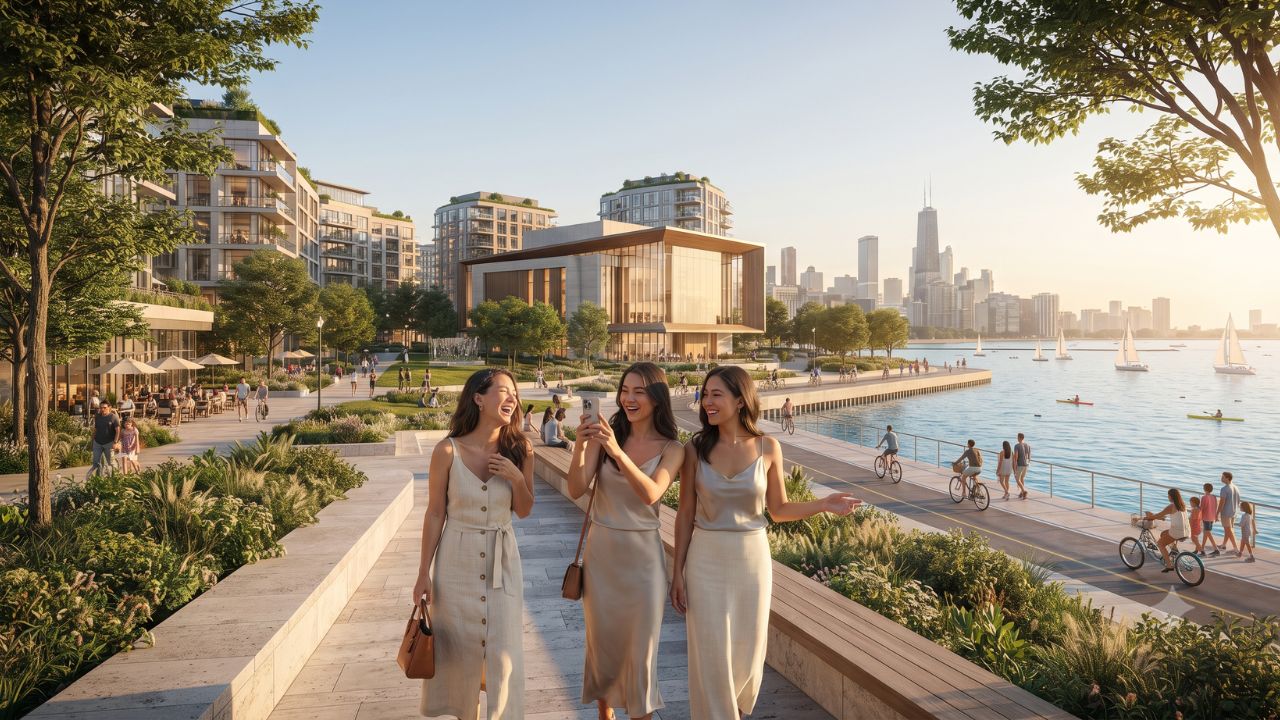
Image generated by AI
Emanuel Congregation is partnering with developers to transform its historic Edgewater shoreline site into a major mixed-use waterfront district. The redevelopment plans to deliver 605 apartments, expand public parklands, and build a modern, purpose-built synagogue, enhancing pedestrian access to Chicago's prized Lake Michigan waterfront.
Recent data from the Choose Chicago tourism agency indicates the city welcomed over 55 million visitors in 2024, showcasing a robust demand for urban exploration. As tourism expands beyond the central business district, northern neighborhoods like Edgewater are positioning themselves to capture traveler interest by integrating heritage preservation with contemporary urban design. The proposed redevelopment of the 70-year-old Emanuel Congregation landmark, located 10 kilometers north of the city center, serves as a prime example of this local evolution.
Preserving Cultural Heritage Through Modern Urban Architecture
For more than seven decades, the Emanuel Congregation has been a focal point of faith and civic gatherings on the Chicago waterfront. Due to shifting local demographics and rising maintenance costs for the aging infrastructure, the congregation opted for an innovative development model. Rather than relocating, they are integrating a new, smaller house of worship into a multi-story residential and parkland development.
This mixed-use approach matches global development trends seen in major metropolitan areas such as Copenhagen, Melbourne, Amsterdam, and Singapore. By combining civic space, housing, and public recreation, planners are creating a walkable district that reduces private vehicle reliance and stimulates foot traffic. For travelers, this means an opportunity to experience an authentic neighborhood ecosystem where cultural heritage remains an active part of the community.
Restructuring Shoreline Space for Public Waterfront Access
A central objective of the project is maximizing public access to the Lake Michigan shoreline, expanding upon Chicago's existing 26 miles (42 kilometers) of open waterfront. Earlier proposals faced significant local discussion regarding building footprint and open space. Through multiple design revisions, planners replaced the initial three-tower layout with two taller towers, allowing for wider pedestrian corridors and greater visual links to the water.
These changes directly benefit outdoor recreation and active travel. Walkers, joggers, and cyclists on the city's extensive lakefront trail network will enjoy seamless connections between local streets and the beaches. Upgraded facilities and public walkways will make the waterfront more inviting, encouraging visitors to spend more time exploring the northern shoreline.
Designing Sustainable, Bird-Safe Urban Parklands
Modern urban regeneration projects are increasingly evaluated by their ecological footprint. Because Chicago sits along one of North America's primary migratory bird routes, the project incorporates bird-friendly architectural design and native greenery to prevent building collisions during spring and autumn. This emphasis on environmental stewardship appeals directly to the growing segment of eco-conscious travelers.
The addition of expanded green areas also serves practical community functions. The new parklands will help manage stormwater runoff, mitigate the urban heat island effect, and increase local biodiversity. The resulting green space creates a peaceful recreational retreat for both residents and visitors.
Community Stability Through Local Housing and Commerce
The development addresses local housing demand by including 605 apartments, with approximately 25 percent dedicated to affordable housing provisions. Retaining diverse, multi-generational families is essential for maintaining neighborhood stability and supporting independent local businesses.
For the travel industry, a stable local community directly translates to a more vibrant destination. Neighborhoods that prevent displacement are better able to support independent cafés, local shops, and cultural festivals that attract travelers seeking experiences beyond traditional tourist centers. Edgewater's convenient connection via the Chicago Transit Authority (CTA) Red Line at Bryn Mawr and Thorndale stations makes it easily accessible for visitors looking to explore this local lifestyle.
Key Elements of the Chicago Synagogue Redevelopment
The following table outlines the planned components of the project and their relevance to visitors:
| Project Component | Planned Development Details | Visitor Relevance |
|---|---|---|
| Religious Heritage | Integrated modern synagogue structure | Preserves local cultural identity |
| Residential Space | Approximately 605 apartments | Supports neighborhood economic vitality |
| Affordable Housing | Expanded family-sized affordable units | Encourages diverse, mixed communities |
| Public Realm | Refined pedestrian walkways | Easier transition to the Lake Michigan shoreline |
| Green Space | Expanded parkland and flora | Enhanced recreational and leisure options |
| Waterfront Access | Public paths to Lake Michigan | Improved sightseeing and photo opportunities |
| Beach Facilities | Upgraded public amenities | Better visitor comfort and utility |
| Environmental Design | Bird-friendly architecture and native plants | Promotes sustainable, eco-friendly tourism |
Public Consultation Refinements
Community feedback has significantly shaped the layout and scale of the proposed district:
| Planning Area | Earlier Proposal | Current Direction |
|---|---|---|
| Building Layout | Three separate residential towers | Two taller, consolidated towers |
| Public Movement | Enclosed spaces with limited pathways | Improved east-west pedestrian corridor |
| Waterfront Connection | Restricted public entry points | Expanded, open public access |
| Parklands Layout | Smaller, fragmented open areas | Consolidated and expanded park environment |
| Community Facilities | Basic integration of public space | Enhanced amenities and visitor walkways |
Comparative Global Waterfront Regeneration Initiatives
Cities worldwide are using heritage integration to revitalize aging waterfront districts:
| Global City | Regeneration Focus | Key Tourism Outcome |
|---|---|---|
| Chicago | Synagogue integrated into mixed-use shoreline site | Enhanced neighborhood appeal and public beach paths |
| Copenhagen | Industrial harborfront conversion | Increased recreational and active water tourism |
| Hamburg | HafenCity mixed-use waterfront expansion | Significant growth in international urban tourism |
| Melbourne | Docklands maritime renewal | Expanded residential and visitor leisure precincts |
| Rotterdam | Old harborfront redevelopment | Upgraded cultural spaces and leisure infrastructure |
Travel Snapshot of Edgewater
For travelers planning to explore Edgewater during their visit to Chicago, here is a quick overview:
| Travel Category | Information and Guidelines |
|---|---|
| Geographic Location | North Side of Chicago, Illinois |
| Distance from Downtown | Approximately 10 kilometers north of The Loop |
| Waterfront Access | Direct access to the Lake Michigan shoreline |
| Public Transit Options | CTA Red Line (Bryn Mawr and Thorndale stations) and city buses |
| Primary Visitor Appeal | Sandy beaches, historic architecture, local dining options |
| Target Audience | Families, walkers, cultural travelers, photographers, and architecture fans |
Related Travel Guides
Disclaimer
This article is for informational and educational purposes only. It does not constitute legal, financial, or professional advice. While we strive to provide accurate and up-to-date information, travel policies, regulations, and conditions change rapidly. Always verify information with official sources before making travel decisions. Nomad Lawyer makes no representations about the accuracy, reliability, completeness, or suitability of the information provided. Readers should consult qualified professionals for advice specific to their circumstances. The views expressed in this article are those of the author and do not necessarily reflect the views of Nomad Lawyer.
Kunal K Choudhary
Co-Founder & Contributor
A passionate traveller and tech enthusiast. Kunal contributes to the vision and growth of Nomad Lawyer, bringing fresh perspectives and driving the community forward.
Learn more about our team →