
Chengdu and Shanghai Lead China's 2026 Immersive Gastronomy Tourism Expansion
Chengdu and Shanghai are spearheading a national shift toward immersive culinary tourism in 2026, transforming regional gastronomy from a travel amenity into a primary destination driver.
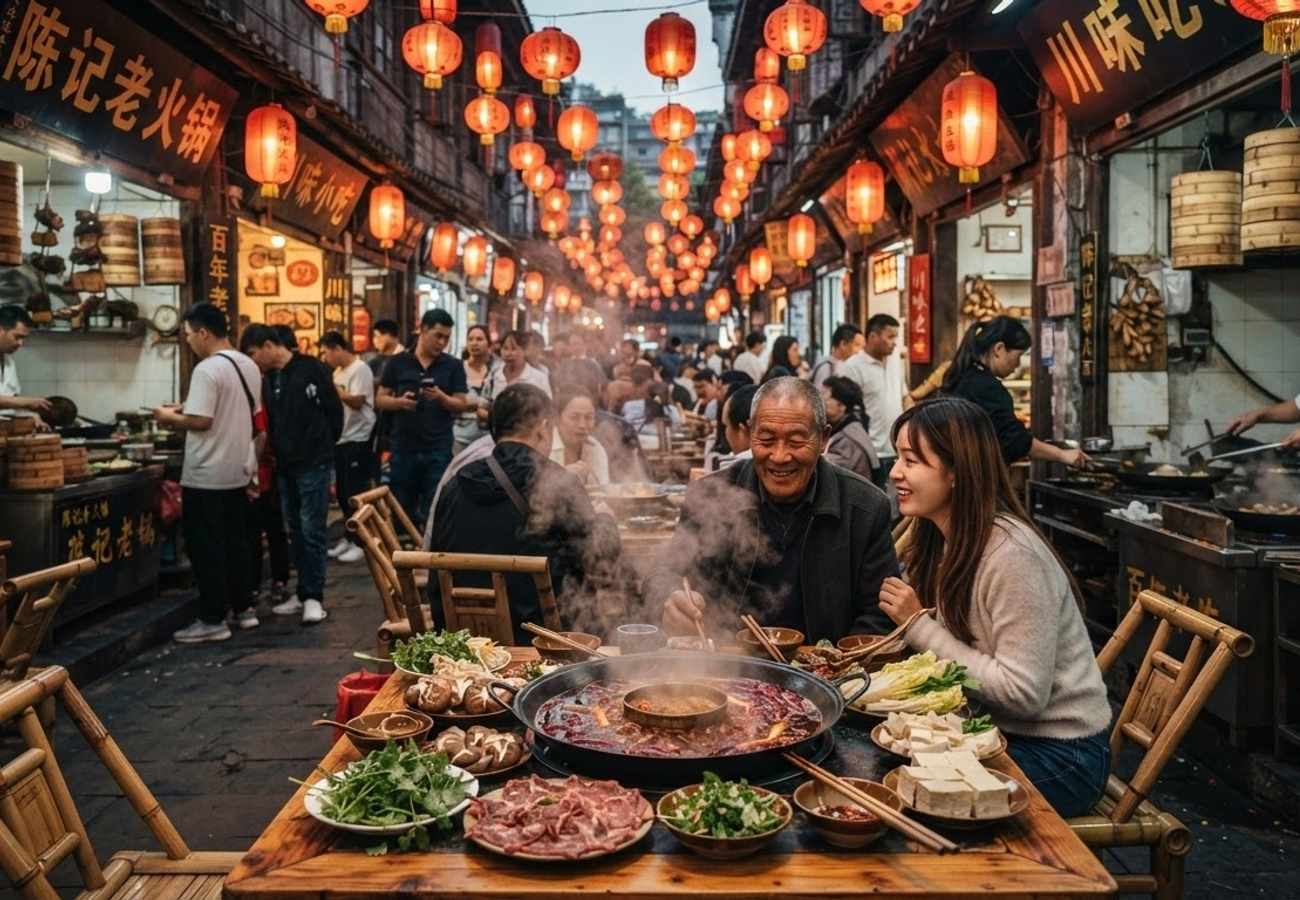
Image generated by AI
Chinese urban centers are fundamentally redefining the travel experience in 2026, pivoting from landmark-based sightseeing to immersive gastronomy. Led by Chengdu and Shanghai, a network of cities is now leveraging regional flavors and culinary heritage as primary drivers for international and domestic visitor arrivals.
This shift reflects a broader trend in global travel: the demand for authentic cultural encounters. Visitors are increasingly bypassing traditional tourist circuits in favor of historic markets, family-run eateries, and cooking traditions that offer a direct connection to local residents.
The Strategic Pivot to Gastronomy Tourism
In 2026, food has transitioned from a supporting element of a trip to the primary reason for destination selection. Chinese cities are now competing via "flavor profiles" rather than just architectural monuments. This strategy involves the integration of cuisine with technology, entertainment, and heritage preservation.
Chengdu, a UNESCO Creative City of Gastronomy, is currently leading this charge by positioning itself as an "International Food City." The city is focusing on the integration of food with lifestyle, specifically through the expansion of community food streets and the global promotion of Sichuan cuisine.
Simultaneously, Shanghai is cementing its status as an international dining hub. Through initiatives like "Global Taste in Shanghai 2026," the city is blending traditional Chinese flavors with global influences, boasting nearly 10,000 international restaurants representing 43 different countries and regions.
Regional Culinary Profiles and Tourism Drivers (2026)
The following data outlines the specific gastronomic identities and strategic initiatives currently driving tourism across China's major hubs.
| City | Culinary Identity | Key 2026 Initiatives & Attractions | Signature Experiences | Primary Traveler Draw |
|---|---|---|---|---|
| Chengdu | Sichuan Capital / UNESCO City of Gastronomy | "International Food City" positioning, food festivals, immersive dining | Sichuan hotpot, mapo tofu, tea-house culture | Bold flavors, local lifestyle, and heritage |
| Shanghai | International Dining Capital | "Global Taste in Shanghai 2026," themed culinary routes | Xiaolongbao, fusion dining, international cuisine | Extreme diversity (43 countries represented) |
| Guangzhou | Cantonese & Dim Sum Birthplace | Cultural tourism via food districts and traditional restaurants | Dim sum, roast goose, herbal soups | Authentic traditions and historic tea culture |
| Hangzhou | Elegant Zhejiang Cuisine | Integration of food with West Lake and tea plantations | West Lake fish, Longjing tea shrimp, Dongpo pork | Refined flavors and scenic dining |
| Beijing | Imperial & Northern Flavors | Hutong-based dining and historic neighborhood tours | Peking duck, imperial cuisine, street snacks | Combined culture-and-cuisine journeys |
| Xi’an | Silk Road Heritage | Historical food streets and ancient cooking methods | Biangbiang noodles, roujiamo, lamb kebabs | Connection to ancient history and trade |
| Chongqing | Spicy River Cuisine | Night tourism and urban culinary routes | Chongqing hotpot, spicy noodles, grilled fish | Dramatic flavors and social dining culture |
| Kunming | Multi-ethnic / Biodiversity | Ethnic tradition promotion and local ingredient sourcing | Wild mushrooms, Yunnan ham, flower cakes | Minority cultures and nature-based food |
| Guiyang | Spicy, Sour & Fermented | Authentic street food and traditional Guizhou flavors | Sour fish soup, night-market foods | Strong local identity and affordability |
| Nanjing | Historic Jiangnan Cuisine | Heritage tourism paired with traditional dishes | Salted duck, duck blood vermicelli soup | Classical cuisine and historical urbanism |
Why This Matters: The Industry Implication
From a logistical and market perspective, this transition signifies a move toward "Slow Tourism." For the travel industry, the implications are twofold:
- Diversification of Revenue: Hospitality businesses are no longer relying solely on hotel stays and ticket sales. There is a surge in demand for specialized food tours, cooking workshops, and "culinary passports" that encourage multi-city itineraries.
- Cultural Preservation as a Product: By commodifying regional recipes and traditional cooking methods, cities are creating a financial incentive for the preservation of intangible cultural heritage. This supports local entrepreneurs and small-scale producers who were previously ignored by mass tourism.
For the traveler, the impact is a move away from sterile, curated experiences. The real value is now found in the "neighborhood" experience—the tea houses of Chengdu or the hutongs of Beijing—where the meal serves as the gateway to understanding the city's social fabric.
Forward Outlook
The trajectory for 2026 suggests that gastronomy will continue to merge with other sectors. We expect to see an increase in "Agritourism" (farm-to-table experiences) in provinces like Yunnan and Zhejiang. Additionally, the integration of AI and AR in Shanghai’s culinary routes will likely provide diners with real-time historical context and ingredient sourcing data as they eat.
The battle for the global traveler is no longer fought with skyscrapers, but with spices.
Related Travel Guides
Disclaimer
This article is for informational and educational purposes only. It does not constitute legal, financial, or professional advice. While we strive to provide accurate and up-to-date information, travel policies, regulations, and conditions change rapidly. Always verify information with official sources before making travel decisions. Nomad Lawyer makes no representations about the accuracy, reliability, completeness, or suitability of the information provided. Readers should consult qualified professionals for advice specific to their circumstances. The views expressed in this article are those of the author and do not necessarily reflect the views of Nomad Lawyer.