
Charleston Seafood Restaurant Locally Sourced Earns Michelin Nod 2026
A Charleston seafood restaurant locally sourced exclusively has gained Michelin recognition in 2026 by reimagining Southern coastal cuisine with innovative techniques and community partnerships.

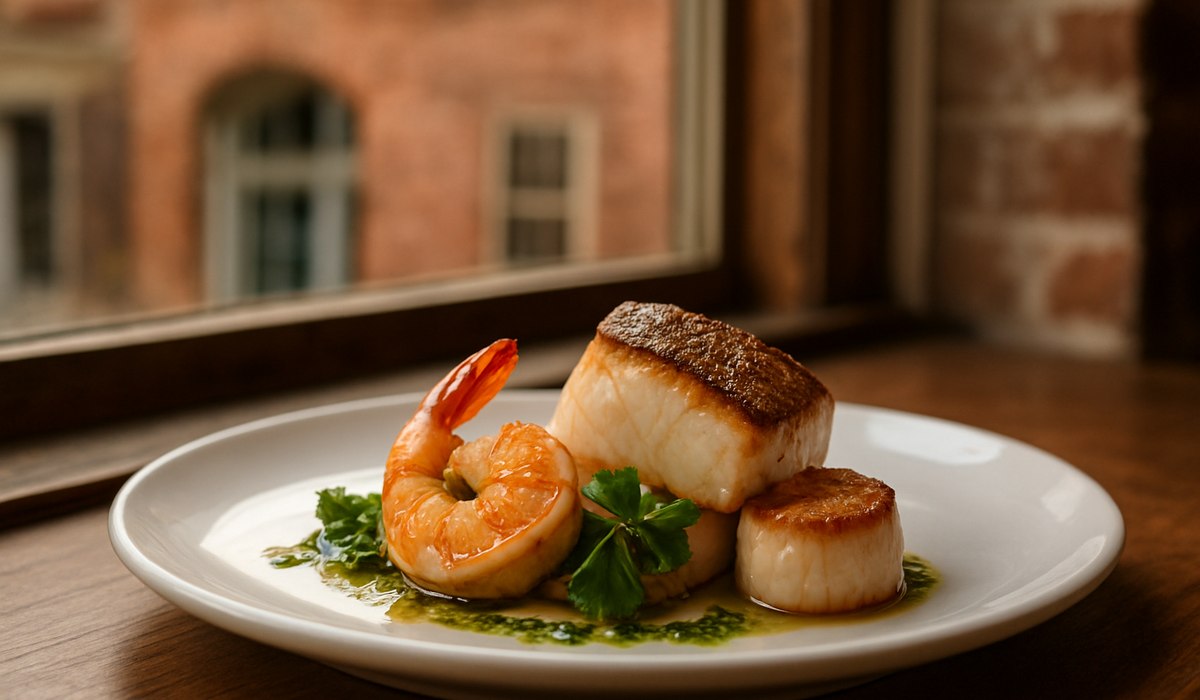
Image generated by AI
Michelin Recognition Comes to Charleston's Commitment to Local Sourcing
A pioneering Charleston seafood restaurant locally sourced has earned prestigious Michelin mention in 2026, marking a significant moment for Southern coastal cuisine and sustainable dining practices. The establishment achieved this distinction by exclusively serving dishes prepared with ingredients sourced within a 50-mile radius of the historic port city. Diners seeking authentic regional flavors now have a destination that honors both tradition and culinary innovation.
The restaurant's achievement reflects a broader shift in how high-end dining establishments approach ingredient sourcing and community relationships. By committing entirely to local procurement, the team has created a dining experience that connects guests directly to Charleston's fishing heritage and agricultural landscape. This model demonstrates that exceptional cuisine and environmental responsibility are not competing goals but complementary values.
Charleston's Commitment to Local Sourcing
Charleston's culinary renaissance centers on collaboration between restaurants and regional producers. The city's proximity to pristine waters, barrier islands, and fertile Low Country farms creates natural advantages for chefs prioritizing locally sourced menus. Beyond simple availability, this geographic benefit enables storytelling around each dish and ingredient.
The Charleston seafood restaurant locally sourced approach involves established relationships with shrimpers, oyster farmers, and vegetable producers across the region. These partnerships ensure consistent quality while supporting local economic development. Visiting this establishment means participating in an ecosystem that values transparency about food origins. Restaurant staff can describe exactly where each component originated, who produced it, and the techniques used in cultivation or harvesting. This level of detail transforms dining from passive consumption into educational engagement with regional food systems.
Learn more about sustainable dining practices in Charleston to understand how restaurants approach local sourcing.
Michelin-Quality Cuisine Meets Southern Tradition
The restaurant's Michelin mention validates its approach to elevating traditional Low Country and Southern coastal recipes through refined technique. Rather than abandoning classic preparations, the kitchen reimagines them with modern plating, unexpected flavor combinations, and precise execution. Shrimp and grits appear alongside contemporary vegetable preparations and inventive sauces developed from traditional broths and stocks.
Southern cuisine traditionally emphasizes slow cooking, preserved ingredients, and communal eating. This establishment maintains those philosophical foundations while introducing refinement associated with Michelin-recognized establishments. Dishes balance richness with brightness, complexity with clarity. The menu changes frequently—sometimes weekly—based on what local suppliers have available at peak quality. This seasonal flexibility prevents monotony while respecting natural growing and harvesting cycles.
Michelin inspectors recognize not only food quality but also consistency, service excellence, and overall dining environment. The Charleston seafood restaurant locally sourced meets these comprehensive standards through meticulous attention to every detail. Staff training emphasizes knowledge of ingredient sources, preparation methods, and flavor development. The dining room design celebrates coastal aesthetics without theatrical excess. Wine and beverage pairings feature local craft producers alongside carefully selected regional vintages.
What Makes This Restaurant Stand Out
Several factors distinguish this Charleston establishment from competitors. First, the absolute commitment to local sourcing eliminates compromise—menus never feature ingredients sourced from outside the region when local options exist. Second, pricing reflects fair compensation for premium local producers rather than exploiting supply chain advantages. Third, the team maintains transparent relationships with suppliers, often inviting farmers and fishers to special events where diners meet the people behind their meals.
The restaurant's physical location in Charleston's historic district provides cultural context. Diners engage not only with food but with the city's documented seafaring heritage, plantation economy legacies, and contemporary cultural conversations. The space itself reflects this complexity, incorporating historical architectural elements while maintaining contemporary comfort standards.
Staff expertise distinguishes the service experience. Every team member can discuss ingredient origins, preparation techniques, and flavor development. This knowledge empowers guests to understand why certain dishes taste exceptional and how local sourcing contributes to overall quality. The approach transforms dining from transactional to educational and relationship-based.
Explore Charleston dining culture and history for broader context about the city's food scene development.
Planning Your Visit to Charleston's Premier Seafood Destination
Visiting this Michelin-recognized Charleston seafood restaurant locally sourced requires advance planning. Reservations book weeks ahead, particularly during peak seasons from March through May and September through October. The restaurant maintains a reservation system through their website, with tables released monthly. First-time diners should book through their preferred method immediately upon availability.
Dress code expectations align with fine dining standards—business casual or dressier attire. The restaurant welcomes special occasions and can accommodate requests for specific seating preferences with advance notice. Meal duration typically ranges from two to three hours, allowing time for service pacing and enjoyment. The tasting menu represents the primary offering, though prix-fixe options accommodate various budgets and appetites.
Charleston itself offers abundant accommodations and attractions. Historic properties and contemporary hotels cluster throughout downtown, many within walking distance of the restaurant. Plan additional time to explore city landmarks, including Fort Sumter, the Battery, and numerous art galleries. The Farmers Market on Saturday mornings showcases many suppliers whose ingredients appear on the restaurant's menu.
Dietary restrictions receive careful attention. Notify the restaurant about allergies or dietary preferences when booking so the kitchen can prepare alternatives. The team takes these needs seriously and creates complete tasting menus accommodating vegetarian, vegan, gluten-free, and other requirements.
Key Data: Charleston Seafood Restaurant Locally Sourced Metrics
| Metric | Details |
|---|---|
| Michelin Recognition | 2026 (specific star level pending official confirmation) |
| Sourcing Radius | 50-mile radius from Charleston, South Carolina |
| Menu Change Frequency | Weekly adjustments based on seasonal availability |
| Average Meal Duration | 2-3 hours for complete tasting experience |
| Reservation Lead Time | 2-6 weeks typical, varies by season |
| Price Range | $$$$$ (fine dining, $150-250+ per person) |
| Local Suppliers | 25+ established relationships with farms and fisheries |
| Seating Capacity | 40-60 covers per evening service |
What This Means for Travelers
Five actionable takeaways for visitors interested in this Charleston dining experience:
-
Book reservations immediately upon monthly availability releases through the official restaurant website. Peak seasons fill within hours, requiring prompt action to secure preferred dates.
-
Plan a multi-day Charleston visit to maximize your experience. Include time for exploring the city, visiting local farms and fisheries when possible, and enjoying other regional dining options that complement this fine dining experience.
-
Arrive early or extend your trip to visit the farmers market and meet some of the suppliers whose ingredients you'll encounter at dinner. This context enriches the entire experience.
-
Prepare detailed dietary information when booking if you have allergies or restrictions. The kitchen can accommodate most needs with advance notice.
-
Consider this a centerpiece attraction rather than one dining experience among many. Allocate budget and time appropriately for a fine dining destination worthy of Michelin recognition.
Frequently Asked Questions
What does a Michelin mention mean compared to Michelin stars?
A Michelin mention indicates recognition in guides and publications, though specific star ratings depend on regional guide publication. The distinction is meaningful—Michelin acknowledgment validates quality standards and approach. Travelers should verify current ratings with Michelin's official South Carolina or regional guides.
How often does the menu change?
The menu changes weekly based on what local suppliers have at peak quality. This seasonal variability reflects commitment to local sourcing and allows the kitchen creative flexibility. No two visits produce identical experiences, encouraging return visits.
Can I visit Charleston's farmers market to meet suppliers?
Yes. The Charleston Farmers Market operates Saturday mornings in downtown. Many suppliers whose ingredients appear on the restaurant's menu
Disclaimer
This article is for informational and educational purposes only. It does not constitute legal, financial, or professional advice. While we strive to provide accurate and up-to-date information, travel policies, regulations, and conditions change rapidly. Always verify information with official sources before making travel decisions. Nomad Lawyer makes no representations about the accuracy, reliability, completeness, or suitability of the information provided. Readers should consult qualified professionals for advice specific to their circumstances. The views expressed in this article are those of the author and do not necessarily reflect the views of Nomad Lawyer.
Preeti Gunjan
Contributor & Community Manager
A passionate traveller and community builder. Preeti helps grow the Nomad Lawyer community, fostering engagement and bringing the reader experience to life.
Learn more about our team →