
Catania Airport Reopens After Mount Etna Volcanic Ash Disruption
Catania Fontanarossa Airport reopens in Sicily as Mount Etna's aviation alert level is downgraded from red to orange, resuming international flights.

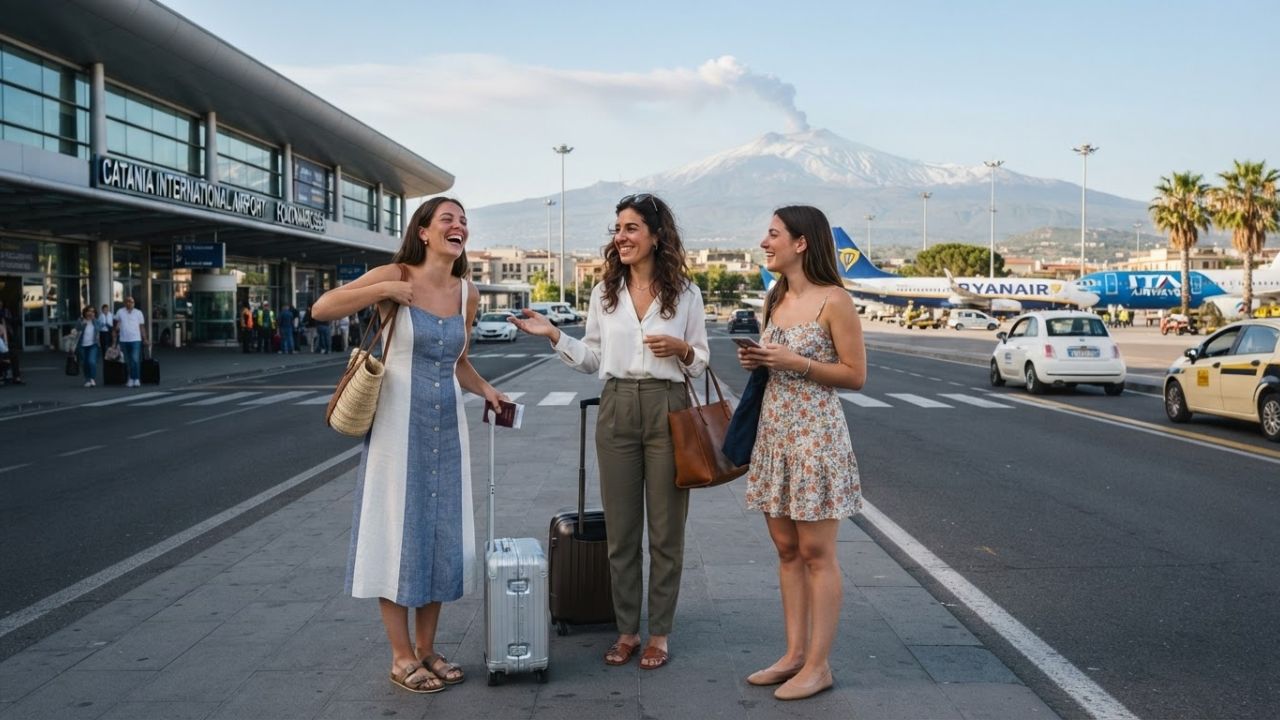
Image generated by AI
Catania Fontanarossa Airport has reopened its runway to flight operations after nearly a week of cancellations caused by volcanic ash emissions from Mount Etna. The resumption of flights became possible as regional civil aviation authorities downgraded the volcano’s aviation alert level from red to orange.
The Emergency Shutdown of Sicily's Eastern Aviation Hub
The aviation sector in southern Europe is experiencing a transition as gateways manage environmental disruptions. Catania-Fontanarossa Airport, officially named Vincenzo Bellini Airport, serves as the primary transportation hub for eastern Sicily, managed by Società Aeroporto Catania (SAC).
By establishing these security protocols, airport managers aim to protect global passenger flows. Catania-Fontanarossa Airport is a primary driver of the eastern Sicilian economy, acting as a gateway for business visitors, international students, and cultural tourists. The sudden closure created a backlog of flights, forcing airlines to reroute flights to Palermo or Trapani, which placed immense strain on overland train and bus networks across the island.
Earlier, the airport was forced to suspend all flight operations and close its runway to incoming and departing traffic. Mount Etna, Europe's highest active volcano, erupted and spewed large quantities of volcanic ash into the surrounding airspace. This creates a serious risk for jet aircraft because fine silicate particles can enter engines, melt inside the combustion chambers, and cause engine failure. The shutdown lasted for nearly a week during a busy holiday period, creating travel delays and flight cancellations for thousands of travelers.
The Alert Downgrade: Resuming Operations Under Orange Alert
The reopening of Vincenzo Bellini Airport was approved after the National Institute of Geophysics and Volcanology (INGV) and civil aviation authorities lowered the volcanic alert level from red to orange. The warning change indicated that the immediate aviation risk had decreased, allowing the runway to clear and passenger operations to resume.
This alert transition is managed through continuous monitoring by volcanologists who measure tremor levels, gas emissions, and ground deformation. By tracking these geological signals, scientists can estimate whether the eruption is entering a stable phase. The downgrade to orange allows terminal staff to begin cleaning the runways and taxiways, removing the abrasive ash layer that poses a traction hazard for aircraft tires.
While flights are returning, travelers should expect minor delays as airlines work to restore their regular schedules and reposition aircraft. The recovery phase requires close coordination between SAC, flight crews, and regional air traffic control to ensure passenger safety. Reopening the airport is vital for maintaining international travel connections between Sicily and the rest of Europe.
Regional Tourism and Economic Impact of the Closure
The temporary closure of Sicily's busiest airport came at a time when many tourists were visiting the island for summer holidays. The shutdown affected not only passengers but also regional businesses, including hotels, restaurants, taxi services, car rentals, and tour providers.
Local hotel associations reported a significant drop in booking confirmations during the shutdown, as travelers chose to postpone their visits. The hospitality sector, which was enjoying a strong post-pandemic recovery, had to adapt to sudden cancellations. By working with regional authorities to offer flexible rebooking terms, local businesses managed to prevent a severe economic downturn, ensuring that travelers could reschedule their visits once flights resumed.
Sicily relies heavily on tourism, and its eastern coast—featuring historic cities, cultural attractions, and coastal resorts—is highly dependent on CTA airport for visitor arrivals. The suspension of flight services temporarily slowed tourism activity, highlighting how natural events can impact regional economies. The return of flights restores traveler confidence and allows businesses to resume normal operations during the remainder of the peak season.
Technical Details: Why Volcanic Ash is Highly Hazardous
The decision to pause operations at Catania Airport was a safety measure designed to protect passenger aircraft. Volcanic ash is not like normal dust or weather clouds; it consists of tiny, sharp fragments of rock, minerals, and volcanic glass.
This technical hazard is particularly severe when aircraft are climbing or descending through the ash plume. Because the particles are highly abrasive, they can also cause sandblasting damage to the aircraft's nose cone, radar housing, and cockpit windows. This cosmetic and structural damage requires extensive maintenance checks, adding to the operational costs of regional carriers during the recovery phase.
If an aircraft flies through an ash cloud, these particles can:
- Damage Engines: The high heat inside jet engines melts the glass particles, which can coat the fuel nozzles and turbine blades, causing engine flameouts.
- Reduce Visibility: Ash can scratch windshields, making it difficult for pilots to see during landing.
- Disrupt Systems: Fine dust can clog pitot tubes and sensors, leading to incorrect airspeed readings.
Because of these risks, aviation authorities suspend flights until INGV reports confirm that the ash has settled and the airspace is clear.
Visitor Guide: Catanese Dining, Excursion Guidelines, and Flight Status
Navigating Catania Airport during the recovery phase requires checking flight status, planning transportation, and tasting regional culinary specialties. By preparing in advance, travelers can enjoy a comfortable visit.
Sample traditional Sicilian culinary specialties during your stay. Order Pasta alla Norma, a classic Catanese dish featuring pasta cooked with sweet tomato sauce, fried eggplant, and salted ricotta cheese, named in honor of the opera Norma by Catania-born composer Vincenzo Bellini. Try arancini, fried rice balls stuffed with ragù and mozzarella, and enjoy fresh cannoli filled with sweet sheep's milk ricotta at local pasticcerias.
Verify your flight status with your airline before leaving for the airport. Do not travel to the terminal unless your flight has been confirmed, as recovery operations can create delays and ticketing queues. Arrive at least three hours before departure for domestic flights and four hours for international departures to allow sufficient check-in time.
Observe local guidelines when planning an excursion to Mount Etna. The volcano remains active, and access to the summit craters is strictly regulated. Hire a licensed volcanological guide for any hikes near the active vents, and check daily reports from the official Etna Park authority before setting out.
Use official transportation options. Book registered yellow taxis at the airport stand, or utilize authorized shuttle services to reach downtown Catania or nearby destinations like Taormina and Syracuse. Keep digital copies of your boarding passes and travel documents saved on your mobile device.
Future Outlook: Rebuilding Resilient and Sustainable Air Corridors
The future of tourism in Sicily depends on building resilient transportation infrastructure that can adapt to volcanic activity. Catania Airport and regional authorities are upgrading monitoring systems and coordinating with nearby airports like Comiso Airport (CIY) and Palermo Airport (PMO) to manage diverted flights.
The implementation of these green transit corridors is supported by the European Union's sustainable transport funding initiatives. By upgrading rail connections between Catania, Syracuse, and Palermo, the region aims to create a multimodal transport network that can function even when Etna's eruptions disrupt flights. This long-term strategy ensures that Sicily's travel industry remains resilient, protecting the island's economic stability while reducing its environmental footprint.
Sustainable initiatives include installing automated runway sweeping systems to remove volcanic ash quickly, upgrading real-time monitoring equipment in coordination with INGV, and expanding rail links between Sicilian cities to provide overland travel alternatives. By combining safety upgrades with efficient transport options, Sicily aims to protect its tourism economy while ensuring passenger safety during future volcanic events.
Related Travel Guides
Disclaimer
This article is for informational and educational purposes only. It does not constitute legal, financial, or professional advice. While we strive to provide accurate and up-to-date information, travel policies, regulations, and conditions change rapidly. Always verify information with official sources before making travel decisions. Nomad Lawyer makes no representations about the accuracy, reliability, completeness, or suitability of the information provided. Readers should consult qualified professionals for advice specific to their circumstances. The views expressed in this article are those of the author and do not necessarily reflect the views of Nomad Lawyer.
Preeti Gunjan
Contributor & Community Manager
A passionate traveller and community builder. Preeti helps grow the Nomad Lawyer community, fostering engagement and bringing the reader experience to life.
Learn more about our team →