
Caribbean National Beaches: St. Lucia's Historic Coastal Park 2026
St. Lucia launches its premier coastal national park in 2026, blending colonial fort heritage with scenic hiking trails and pristine Caribbean beaches. Travelers gain access to one unified island destination combining history, nature, and relaxation.

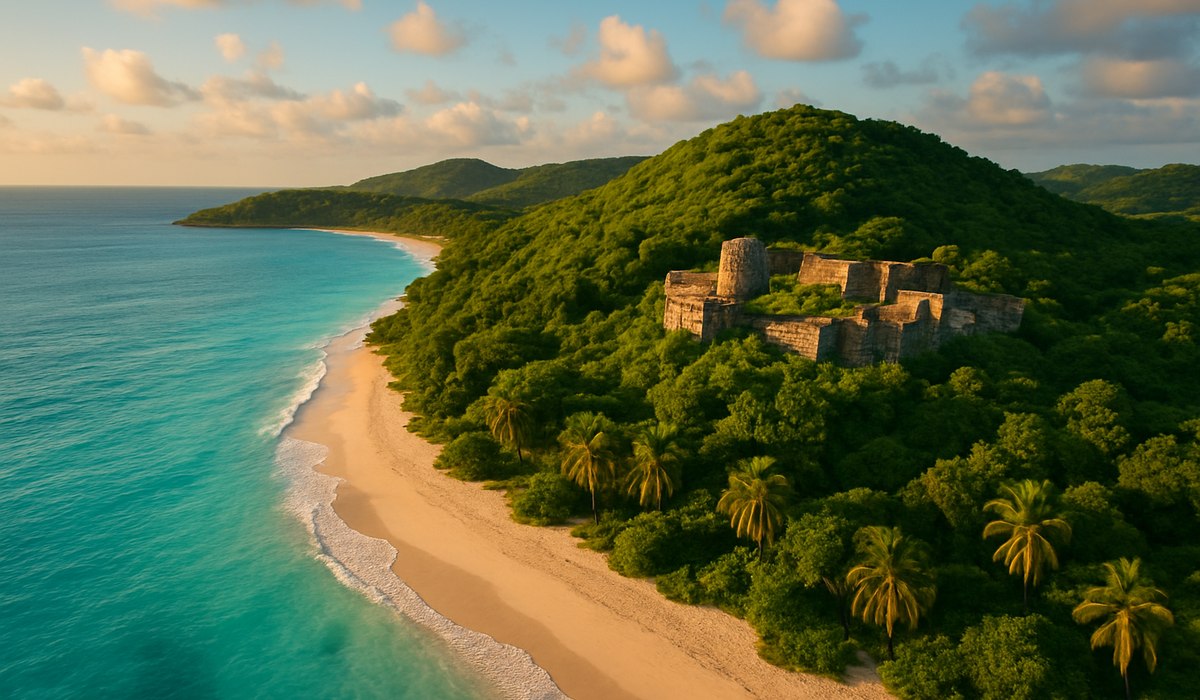
Image generated by AI
St. Lucia's Premier Coastal Park Redefines Caribbean Tourism
St. Lucia has unveiled its groundbreaking first national park, a transformative coastal destination that seamlessly merges three compelling travel experiences into one accessible venue. This Caribbean national beaches showcase combines weathered colonial-era fort structures, challenging mountain hiking routes, and unblemished white-sand shorelines along crystalline turquoise waters. The park represents a major milestone for sustainable Caribbean tourism, offering visitors unprecedented access to historical significance, natural landscapes, and pristine coastal environments within a single unified site. Island authorities have invested heavily in infrastructure development to ensure visitors experience authentic exploration without compromising environmental integrity or cultural preservation.
What Makes St. Lucia's National Park Special
This inaugural park distinguishes itself through remarkable biodiversity and layered historical narratives spanning centuries of Caribbean settlement. The coastal terrain encompasses rare ecosystems supporting endemic plant species found nowhere else globally, alongside well-preserved architectural remnants documenting military campaigns and colonial administration periods. Visitors encounter meticulously maintained pathways connecting elevated viewpoints overlooking the Caribbean Sea with protected beach zones where nesting sea turtles return annually.
The park's design prioritizes visitor safety and ecological conservation simultaneously. Professional guides trained in both historical interpretation and environmental science lead interpretive walks that contextualize natural features within colonial narratives and modern conservation frameworks. The Caribbean national beaches experience extends beyond traditional sightseeing—it emphasizes active engagement with landscapes and communities. Educational signage appears in multiple languages, ensuring international travelers comprehend significance of both natural and architectural elements they encounter during explorations.
Exploring the Historic Fort and Colonial Ruins
Ancient fortification structures anchor the park's historical narrative, representing strategic military installations constructed during intense European competition for Caribbean territorial control. These ruins showcase architectural techniques adapted for tropical climates, featuring limestone foundations engineered to withstand hurricanes and salt spray. Crumbling walls and underground ammunition storage areas remain remarkably intact despite three centuries of environmental exposure.
Visitors can trace movement patterns of soldiers and officers through preserved quarters, command centers, and coastal artillery positions. Archaeological teams continue documenting artifacts that illuminate daily life during garrison periods. These discoveries appear in the onsite museum facility, which contextualizes military history within broader Caribbean colonial experiences. The fort's strategic coastal positioning provided defenders commanding views across shipping routes, making it a critical defensive installation for regional European powers.
For deeper historical context, consult the St. Lucia Tourism Authority's heritage resources, which offer downloadable guides detailing specific historical periods and architectural features across the park's fortified zones.
Best Hiking Trails and Coastal Views
The park features multiple carefully maintained hiking circuits accommodating varied fitness levels, from gentle nature walks suitable for families to challenging summit routes demanding experienced mountaineers. Elevation changes range from sea-level beach access to hilltop vantage points approximately 800 meters above Caribbean waters. Morning hikes reward early risers with panoramic coastal vistas before afternoon cloud formations obscure distant islands.
Intermediate-level trails traverse dense tropical vegetation where endemic bird species and native wildlife thrive beneath canopy coverage. These routes typically require three to four hours of steady hiking and reward adventurers with waterfall encounters and secluded swimming pools within mountain streams. Experienced hikers undertake longer expeditions connecting multiple ridge systems, accumulating significant elevation gain while traversing increasingly remote territory.
Safety remains paramount—park officials recommend hiring certified local guides familiar with trail conditions, seasonal weather patterns, and emergency protocols. Guides provide botanical knowledge identifying medicinal plants, fruit-bearing trees, and species significant within traditional Caribbean ecological understanding. This enriched experience transforms hiking from simple exercise into cultural learning opportunity.
Planning Your Visit to the Beaches
The park's beach zones maintain strict environmental protections ensuring water quality and sand stability. Swimming areas feature lifeguard presence during designated daylight hours, with clearly marked safety zones cordoned by buoys. Protected coves near historic fort sites provide optimal conditions for snorkeling, revealing vibrant coral formations and tropical fish species in shallow waters typically 3-8 meters deep.
Beach access requires entry through the main park facility where visitors check in with rangers and receive orientation information. Seasonal considerations significantly impact visit planning—hurricane season (June through November) occasionally necessitates temporary facility closures, while dry season months (December through April) guarantee optimal weather conditions for extended outdoor activities. Accommodation options range from nearby beachfront resorts to inland eco-lodges, with most facilities positioned within 15-30 minutes' driving distance from primary park entrances.
Plan full-day visits to comprehensively experience Caribbean national beaches zones alongside historical sites and hiking opportunities. Pack substantial water supplies, sun protection, sturdy footwear, and insect repellent. The park's restaurant facility operates during standard hours, offering local cuisine prepared from regional ingredients, though bringing supplementary snacks remains advisable for extended trail explorations.
How to Book the Best Fare
Advance booking provides significant cost savings compared to day-of visit pricing. Online reservation systems operated through the St. Lucia Tourism Authority website enable visitors to select specific visit dates, trail selections, and guide preferences weeks ahead. Group discounts apply for parties exceeding ten individuals, reducing per-person costs substantially for family reunions or organized tours.
Multi-day passes offer exceptional value for travelers planning extended explorations across different park zones. These packages bundle accommodation discounts with guide services and meals, potentially reducing total expenses by 25-40% compared to à la carte bookings. Early-bird promotions during shoulder seasons (May and November) provide additional savings opportunities for flexible travelers avoiding peak tourist periods.
International travel insurance including adventure activity coverage should be secured before arrival. Many policies specifically exclude outdoor activities unless explicitly added as supplementary coverage. Verify your provider's terms regarding hiking, water sports, and mountaineering activities before committing to comprehensive insurance plans.
Key Park Information and Statistics
| Aspect | Details |
|---|---|
| Park Designation | St. Lucia's First National Park |
| Coastal Area | 2,400+ hectares of protected Caribbean terrain |
| Elevation Range | Sea level to 850 meters above Caribbean waters |
| Featured Beaches | 12 protected coastal zones with designated swimming areas |
| Hiking Trails | 18 maintained routes, ranging from 2-8 hours duration |
| Annual Visitors | 50,000+ international and regional tourists |
| Guide Services | Certified local professionals available daily, multiple languages |
| Facilities | Museum, restaurant, restroom facilities, first aid stations |
| Entrance Fee | $25-35 USD per person, depending on selected activities |
| Operating Hours | 8:00 AM - 5:00 PM daily, seasonal variations apply |
| Best Visiting Season | December through April (dry season optimal conditions) |
What This Means for Travelers
This groundbreaking development fundamentally transforms Caribbean national beaches accessibility, consolidating historically scattered attractions into one unified destination requiring simplified logistics. Here's what matters for your planning:
-
Streamlined Itineraries: Combine history, hiking, and beach relaxation into single-day expeditions, eliminating multi-site travel complications and transportation costs across dispersed locations.
-
Enhanced Safety Infrastructure: Professional management ensures trail maintenance, lifeguard coverage, and emergency protocols exceed typical Caribbean destination standards, reducing adventure-related risks significantly.
-
Authentic Cultural Experiences: Direct engagement with certified local guides supports Caribbean community economies while providing educational depth unavailable through mass-tourism infrastructure.
-
Environmental Responsibility: Park management prioritizes sustainable visitor practices, allowing you to enjoy Caribbean national beaches without contributing to ecological degradation affecting future travelers and resident communities.
-
Value Optimization: Multi-day packages and advance booking discounts reduce per-activity costs substantially, making comprehensive Caribbean exploration accessible across various budget categories.
Frequently Asked Questions
**What physical fitness level is
Disclaimer
This article is for informational and educational purposes only. It does not constitute legal, financial, or professional advice. While we strive to provide accurate and up-to-date information, travel policies, regulations, and conditions change rapidly. Always verify information with official sources before making travel decisions. Nomad Lawyer makes no representations about the accuracy, reliability, completeness, or suitability of the information provided. Readers should consult qualified professionals for advice specific to their circumstances. The views expressed in this article are those of the author and do not necessarily reflect the views of Nomad Lawyer.
Kunal K Choudhary
Co-Founder & Contributor
A passionate traveller and tech enthusiast. Kunal contributes to the vision and growth of Nomad Lawyer, bringing fresh perspectives and driving the community forward.
Learn more about our team →