
Cargo Boeing Carriers Still Avoid Twin-Engine Fleet Upgrades in 2026
Cargo Boeing carriers continue operating aging aircraft while passenger airlines modernize fleets. In 2026, freight operators prioritize profitability over new twin-engine replacements, defying industry trends.

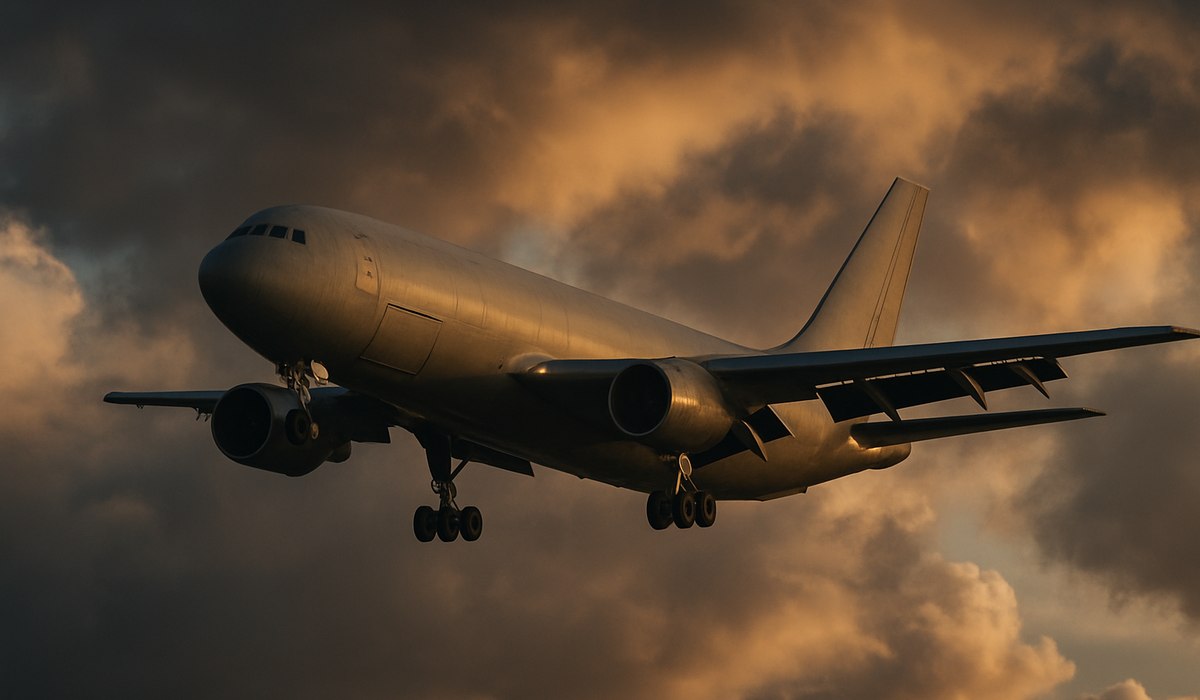
Image generated by AI
Cargo Boeing Carriers Defy Fleet Modernization Trends Across Global Routes
Cargo Boeing carriers continue flying decades-old aircraft while passenger airlines aggressively upgrade fleets with next-generation jets. In 2026, freight operators worldwide still avoid investing in twin-engine replacements, choosing instead to maximize operational efficiency from existing narrow-body and wide-body cargo assets. This strategic divergence reflects fundamentally different business pressures between passenger and cargo segments, with economics heavily favoring fleet retention over modernization in the freight sector.
The contrast between passenger and cargo aviation strategies has never been sharper. Major cargo Boeing carriers operate through specialized logistics hubs in Memphis, Anchorage, Leipzig, and Dubai, where aging freighters generate consistent revenue streams. Passenger airlines, conversely, compete on passenger experience and must continually refresh cabins, install modern entertainment systems, and reduce fuel consumption to maintain competitiveness.
Why Passenger Airlines Must Constantly Upgrade Fleet Technology
Passenger carriers operate in an intensely competitive market where brand perception drives revenue. Airlines like United, American, and Delta invest billions annually in modern aircraft featuring lighter composite materials, advanced avionics, and superior cabin comfort. These upgrades directly influence customer choice, justify premium pricing, and reduce long-term fuel expenditures by 15-25 percent compared to older platforms.
New passenger aircraft also meet strict noise regulations in major airport markets. European Union noise limits, for example, force carriers to retire chapter 3-compliant jets ahead of optimal retirement timelines. Cabin retrofits, entertainment system updates, and premium seating configurations become essential competitive differentiators that aging aircraft cannot match economically.
The passenger market also experiences demand volatility. Airlines must maintain flexible fleets capable of transitioning between domestic and international routes. Newer aircraft offer superior range, payload capacity, and dispatch reliability—critical factors when adapting to seasonal traffic patterns or geographic route changes. Cargo operations, by contrast, follow more predictable annual rhythms tied to e-commerce peaks and seasonal freight movements.
The Economics of Aging Cargo Aircraft Operations
Cargo Boeing carriers operate under radically different financial incentives than passenger airlines. Freighter aircraft generate revenue purely through payload capacity and utilization rates, with minimal pressure to compete on passenger comfort or brand perception. An older Boeing 747F or Boeing 757F still commands strong freight rates despite age, as long as mechanical reliability remains acceptable.
The conversion and modification process proves economical for cargo operators in ways impossible for passenger services. A retired Boeing 747 passenger fuselage costs approximately $3-5 million to convert into cargo configuration—substantially less than purchasing new aircraft. Once converted, these wide-body freighters operate for 15-20 additional years with predictable maintenance costs and established spare-parts supply chains.
Fuel efficiency remains less critical in cargo pricing models. Freight rates fluctuate based on demand, fuel surcharges, and capacity constraints rather than operating costs alone. When fuel prices spike, cargo Boeing carriers simply increase surcharges rather than accelerating fleet modernization. This pricing mechanism doesn't exist in passenger aviation, where fuel economy directly impacts profitability and competitiveness.
Twin-engine aircraft replacements specifically require massive capital expenditure with uncertain return horizons. New cargo aircraft from Airbus (A350F) or Boeing (777F, 787F) cost $300-450 million per unit. Cargo Boeing carriers still calculate that extending aging twin-engine aircraft 5-10 additional years generates superior returns compared to new-aircraft financing, depreciation schedules, and crew training expenses.
Twin-Engine Replacements: Why Cargo Operators Still Avoid Investment
Cargo Boeing carriers continue operating twin-engine platforms including the 767F, 757F, and 777F variants at utilization rates passenger airlines abandoned years ago. These aircraft fly 8-12 segments daily across transcontinental routes, with depreciation schedules that ended 15-20 years ago. From a balance-sheet perspective, maintenance reserves and residual value expectations already offset capital costs.
The 767 Freighter particularly exemplifies this phenomenon. Despite first deliveries beginning in 1982, cargo operators still actively fly 240+ aircraft globally through 2026. Passenger variants retired completely by 2010, yet cargo versions remain economically justified through steady Asia-Europe-Americas networks. Parts availability remains reliable through established aftermarket suppliers, and crew training leverages decades of institutional knowledge.
New twin-engine replacements introduce operational complexity that cargo operators systematically avoid. Flight deck automation, glass-cockpit training requirements, and new maintenance procedures demand significant personnel investment. Older aircraft, conversely, operate with minimal crew training expenses and rely on proven mechanical systems that ground engineers understand completely.
Regulatory compliance presents another calculation favoring fleet retention. While environmental regulations increasingly pressure passenger airlines, cargo operations face less stringent emissions restrictions in most jurisdictions. This regulatory gap allows older cargo Boeing carriers to remain compliant without modernization investments, whereas passenger airlines must transition to stage 4 noise-compliant and lower-emission aircraft.
Future Trends in Cargo Fleet Modernization Through 2026
Despite current avoidance patterns, certain cargo Boeing carriers begin evaluating twin-engine replacements as oldest-generation equipment approaches economic limits. FedEx and UPS, the world's largest cargo operators, have committed to limited 777F and 787F acquisitions, signaling gradual fleet transition beginning around 2025-2030. These investments still remain modest compared to passenger airline capital expenditure.
Environmental pressure is mounting incrementally. The International Air Transport Association's carbon-neutral growth commitment applies equally to cargo operations. Airlines will eventually modernize, but current economics still justify fleet retention through 2027-2028 for many operators. Smaller cargo carriers operating 2-5 aircraft will likely maintain aging equipment indefinitely, as replacement thresholds remain economically unviable.
Emerging cargo startups demonstrate alternative modernization strategies. Cargo-only carriers like ABX Air and Kalitta Air evaluate leasing newer aircraft rather than purchasing, reducing capital exposure. This trend may accelerate adoption of twin-engine replacements without requiring traditional capital-intensive fleet ownership models.
Alternative fuel development represents the ultimate modernization driver. Sustainable aviation fuels reduce environmental impact of older aircraft without requiring complete fleet replacement, allowing cargo Boeing carriers to extend equipment lifecycles while addressing sustainability concerns through operational improvements rather than new-aircraft investment.
Key Data: Cargo Aviation Fleet Trends 2026
| Metric | Current Status | Impact |
|---|---|---|
| Global Cargo Aircraft Average Age | 16.2 years | Oldest operating fleet segment |
| Percentage Flying Pre-2000 Aircraft | 31% | Significant aging aircraft utilization |
| Twin-Engine Cargo Aircraft Orders | 187 total (2025-2035) | Gradual modernization beginning |
| Annual Cargo Freighter Conversions | 45-50 aircraft | Passenger aircraft extended as freight carriers |
| FedEx/UPS New Aircraft Investment 2025 | $8.2 billion | Modest compared to passenger carriers |
| Expected Fleet Modernization Timeline | 2026-2035 | Decade-long transition period |
What This Means for Travelers and Shippers
Cargo operations don't directly affect passenger travel experience, but freight reliability significantly impacts e-commerce delivery times, which increasingly influence travel bookings and ground logistics. Understanding cargo economics helps travelers appreciate why parcel delivery dates remain unpredictable and why aviation fuel prices fluctuate.
Traveler Action Checklist:
-
Monitor freight surcharge notifications from airlines when booking international flights; cargo capacity affects baggage handling and mail delivery reliability.
-
Request delivery guarantees when shipping luggage ahead to international destinations; utilize specialized freight carriers operating modern aircraft for time-sensitive items.
-
Plan extra days for parcel arrival before travel dates, as cargo aircraft aging means reduced network redundancy and potential schedule disruptions.
-
Check carrier sustainability reports before selecting airlines for extended trips; understand that cargo operations generate significant emissions through aging aircraft utilization.
-
**Subscribe to freight tracking services
Disclaimer
This article is for informational and educational purposes only. It does not constitute legal, financial, or professional advice. While we strive to provide accurate and up-to-date information, travel policies, regulations, and conditions change rapidly. Always verify information with official sources before making travel decisions. Nomad Lawyer makes no representations about the accuracy, reliability, completeness, or suitability of the information provided. Readers should consult qualified professionals for advice specific to their circumstances. The views expressed in this article are those of the author and do not necessarily reflect the views of Nomad Lawyer.
Raushan Kumar
Founder & Lead Developer
Full-stack developer with 11+ years of experience and a passionate traveller. Raushan built Nomad Lawyer from the ground up with a vision to create the best travel and law experience on the web.
Learn more about our team →