
Cargo Aircraft Airlines Face Fleet Crisis: 2026 Delays Explained
Global cargo aircraft airlines battle manufacturing delays and aging fleets in 2026. The A350F and 777-8F bottlenecks force carriers to extend freighter lifespans beyond planned retirement dates.

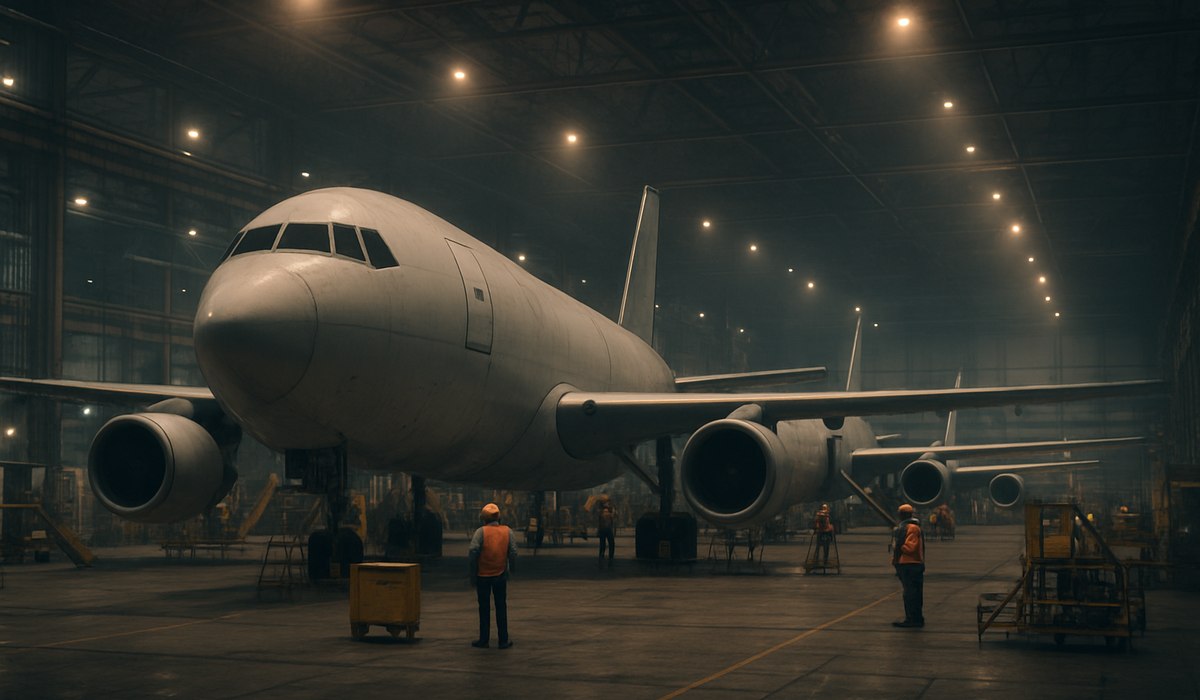
Image generated by AI
Global Cargo Aircraft Airlines Face an Unprecedented Fleet Modernization Crisis
The world's major cargo aircraft airlines are caught in a perfect storm of aging assets and manufacturing gridlock. Demand for fuel-efficient, high-capacity freighters has reached historic levels, yet logistics carriers worldwide cannot access new aircraft fast enough. Instead of retiring decades-old cargo planes, operators are investing millions in extended maintenance programs to keep aging freighters operational. This bottleneck stems from cascading manufacturing delays, engine supply shortages, and regulatory compliance headwinds affecting next-generation cargo aircraft airlines' delivery timelines throughout 2026 and beyond.
The global air cargo industry generated over $200 billion in revenue in 2025, yet carriers face severe capacity constraints. Without intervention, this shortage threatens supply chains serving e-commerce, pharmaceuticals, and emergency relief operations across North America, Europe, and Asia-Pacific regions.
The Aging Fleet Crisis: Why Cargo Aircraft Airlines Can't Retire Old Aircraft
Cargo aircraft airlines operating aging wide-body freighters built in the 1990s and 2000s now face a cruel dilemma. Aircraft originally engineered for 20-year service lives are now being retrofitted and maintained through their 30th and 35th operational years. Modern replacement freighters—including the Airbus A350F and Boeing 777-8F—remain caught in development and manufacturing delays, forcing carriers to extend airframes far beyond retirement targets.
Fleet age directly impacts fuel efficiency and maintenance costs. Operators report 15-30% higher fuel consumption on legacy aircraft compared to modern platforms. However, the financial math has shifted: maintaining a 25-year-old freighter through an additional five years costs less than securing allocation slots for new aircraft.
According to industry analysts, over 300 cargo aircraft airlines worldwide are extending service lives for aircraft originally scheduled for retirement between 2024-2026. This decision underscores the severity of the supply-demand imbalance affecting the global freighter sector.
Manufacturing Delays: When Will the A350F and 777-8F Arrive?
The Boeing 777-8F and Airbus A350F represent the next generation of cargo aircraft airlines' fleet modernization strategy. Both aircraft promise 20-30% improvements in fuel efficiency and larger payload capacities. Yet both programs face significant production delays.
Boeing's 777-8F originally targeted first deliveries in 2027 but now faces revised timelines extending into 2028-2029. The aircraft requires extensive certification testing, particularly for cargo-specific loading systems and pressurization protocols. Supply chain issues affecting engine manufacturers—notably General Electric and Rolls-Royce—have created cascading delays throughout Boeing's production schedule.
Airbus's A350F program similarly lags initial projections. First customer deliveries, originally planned for 2025, now target mid-to-late 2027. The aircraft requires integration of specialized cargo door systems and load management technologies that have extended development cycles.
Cargo aircraft airlines signed pre-delivery orders for over 600 combined units between these platforms. However, with production ramping slower than anticipated, actual deliveries through 2026 will satisfy less than 20% of firm orders. This gap ensures capacity constraints persist through the decade.
Supply Chain Failures and Engine Shortages Compound the Problem
Manufacturing delays for cargo aircraft airlines extend beyond airframe production. Engine availability represents a critical bottleneck. General Electric's GE9X engines—powering the 777-8F—face production constraints stemming from supply issues with advanced composite materials and precision machining components.
Semiconductor shortages affecting avionics systems have also delayed aircraft certification. Modern cargo aircraft airlines require sophisticated flight management systems, structural health monitoring, and automated load distribution technologies. Global chip supply remains below demand through 2026.
Environmental regulations further complicate timelines. New noise and emissions standards mandate design modifications to existing freighter platforms. Cargo aircraft airlines operating in European and North American markets require aircraft meeting ICAO Chapter 14 noise certifications and stricter carbon emissions targets.
These interconnected supply chain failures create a vicious cycle: delays in one component trigger cascading postponements across entire production schedules. Logistics carriers estimate the cumulative delay in global freighter deliveries now exceeds 18-24 months from original planning assumptions.
What's Next for the Global Cargo Industry?
Industry experts predict continued capacity constraints through 2027-2028. Cargo aircraft airlines are exploring interim solutions, including converting retired passenger aircraft into freighters. Airlines have executed conversions of Boeing 757s, 767s, and Airbus A321s, temporarily alleviating pressure on traditional freighter fleets.
However, passenger-to-cargo conversions carry limitations. Converted aircraft offer lower payload capacity than purpose-built freighters and carry higher operating costs. Additionally, conversion capacity—currently around 100-150 aircraft annually—falls far short of demand.
Some cargo aircraft airlines are negotiating early access to next-generation freighter deliveries, offering premium pricing for priority allocation slots. This secondary market for production slots has emerged as manufacturers face overwhelming demand backlogs.
Regulatory bodies including the FAA and EASA are monitoring fleet aging impacts on safety and operational reliability. Extended service life extensions require enhanced maintenance oversight and airworthiness documentation. The FAA has published updated guidance on aging aircraft management affecting cargo operators.
Key Cargo Aircraft Airlines Capacity Data Table
| Metric | 2024 Actual | 2025 Actual | 2026 Projection | Impact |
|---|---|---|---|---|
| Global Freighter Fleet Average Age | 19.3 years | 19.8 years | 20.2 years | Fleet aging accelerating |
| A350F/777-8F Combined Orders | 600+ units | 650+ units | 700+ units | Growing backlog |
| 2026 Projected New Freighter Deliveries | — | 145 aircraft | 180 aircraft | Below demand by 40% |
| Cargo Aircraft Airlines Operating 20+ Year Aircraft | 312 operators | 336 operators | 360+ operators | Expansion of aged fleet use |
| Boeing 777-8F First Delivery Timeline | 2027 target | 2028 target | 2028-2029 revised | 18-month delay |
| Airbus A350F First Delivery Timeline | 2025 target | 2026 target | 2027 target | 24-month delay |
What This Means for Travelers and Shippers
Cargo aircraft airlines' capacity constraints create ripple effects beyond logistics operators. Consumers face potential shipping delays and elevated parcel delivery costs throughout 2026. Here's how to navigate this environment:
Traveler Action Checklist:
- Book air freight shipments early – Reserve capacity 4-6 weeks ahead of deadline to secure rates and departure slots
- Expect elevated shipping costs – Budget 15-25% premium for air cargo services compared to 2024 pricing
- Monitor airline announcements – Follow major cargo carriers' FlightAware tracking and official websites for schedule updates
- Consider multimodal options – Combine air, sea, and ground transportation for non-urgent shipments to reduce costs
- Review shipper liability – Verify insurance coverage given increased flight delays and equipment substitutions
- Contact carriers directly – Call cargo desks at FedEx, UPS, or Lufthansa Cargo for specific transit time guarantees
- Plan buffer time – Add 5-7 business days to standard delivery estimates for critical shipments
E-commerce businesses and medical supply chains face particular pressure. Temperature-controlled cargo—pharmaceuticals, biologics, perishables—requires available freighter capacity. Shippers should establish relationships with multiple
Disclaimer
This article is for informational and educational purposes only. It does not constitute legal, financial, or professional advice. While we strive to provide accurate and up-to-date information, travel policies, regulations, and conditions change rapidly. Always verify information with official sources before making travel decisions. Nomad Lawyer makes no representations about the accuracy, reliability, completeness, or suitability of the information provided. Readers should consult qualified professionals for advice specific to their circumstances. The views expressed in this article are those of the author and do not necessarily reflect the views of Nomad Lawyer.
Preeti Gunjan
Contributor & Community Manager
A passionate traveller and community builder. Preeti helps grow the Nomad Lawyer community, fostering engagement and bringing the reader experience to life.
Learn more about our team →