
India Flight Canada Diverted: Air India Boeing 777 Returns to Delhi Over Regulatory Issue
Air India flight AI185 diverted mid-flight to Vancouver on March 20, 2026, after a regulatory clearance issue prevented entry into Canadian airspace. The Boeing 777 returned to Delhi with 342 passengers aboard.

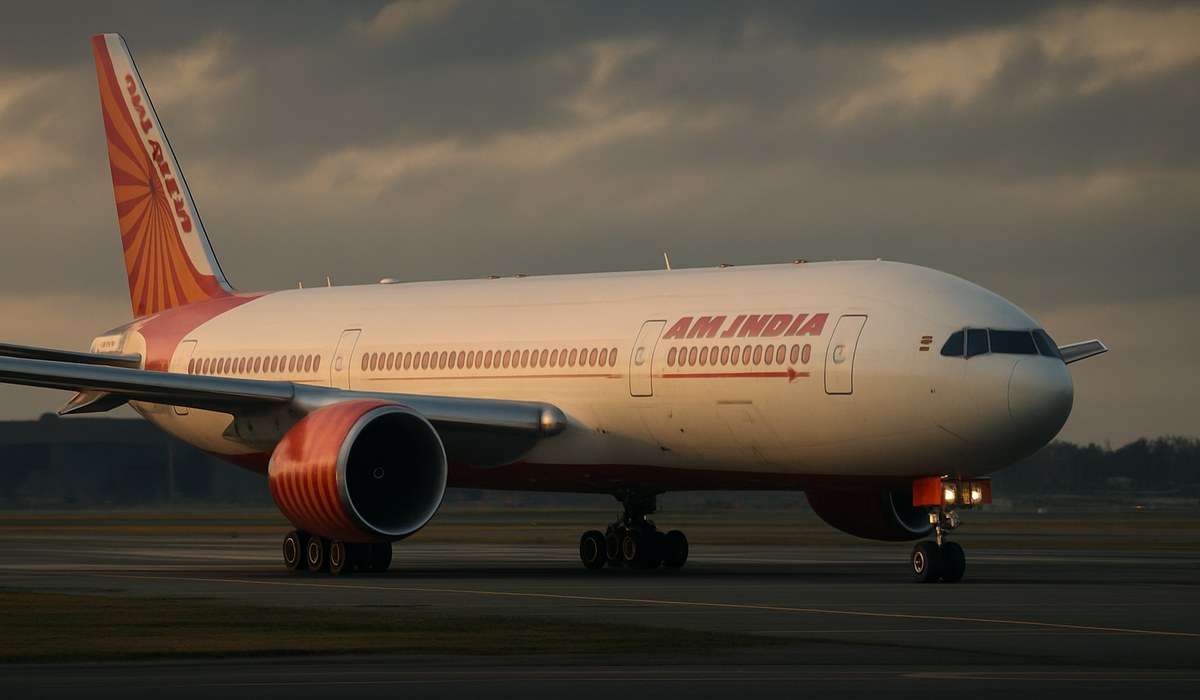
Image generated by AI
Air India Flight AI185 Diverted: Boeing 777 Returns to Delhi After Canadian Entry Denied
Air India flight AI185 turned back mid-flight on March 20, 2026, after failing to obtain regulatory clearance to enter Canadian airspace. The Boeing 777 aircraft, carrying 342 passengers and 18 crew members, departed Indira Gandhi International Airport (DEL) bound for Vancouver International Airport (YVR) at 14:45 local time. Approximately eight hours into the flight, pilots received notification that the aircraft did not possess valid regulatory documentation required by Transport Canada. The airline immediately initiated a diversion protocol, returning the aircraft to Delhi after consulting with air traffic control authorities. No in-flight emergency was declared, and all passengers and crew remained safe throughout the incident. Air India has since launched an internal investigation into the clearance oversight.
Root Cause: Documentation Failure in Aircraft Regulatory Compliance
The diverted flight AI185 aircraft, a Boeing 777-300ER registered as VT-ALJ, lacked current certification documentation required by Canadian aviation regulators. Air India's flight operations team failed to verify that the aircraft possessed valid airworthiness certificates and hazardous materials compliance approvals before departure. Transport Canada flagged the missing documentation when the flight approached Canadian airspace near the British Columbia border. According to industry sources cited by IATA, regulatory entry denials occur when aircraft lack proper certification, maintenance records, or environmental compliance certifications. Airlines must update clearance status for every international route, especially crossing borders into heavily regulated jurisdictions like Canada. The specific documentation gap involved outdated environmental noise certification for the Boeing 777 model on the DEL-YVR route. Air India ground crews discovered the oversight only after the flight had already traversed most of the North American corridor.
Air India's Operational Response and Passenger Communication
Air India activated emergency protocols immediately after Transport Canada denied entry authorization. The airline's operations center contacted flight AI185 crew with diversion instructions at 22:30 UTC, directing the Boeing 777 to return to Delhi rather than attempt an alternate landing in the United States. Pilots communicated the situation to passengers transparently, explaining that regulatory documentation had not been properly updated before departure. The aircraft landed safely at Indira Gandhi International Airport (DEL) at 03:15 local time on March 21, 2026. Air India provided overnight accommodation for all 342 affected passengers at five-star hotels near the airport at no charge. The airline rebooked passengers on three replacement flights departing Delhi over the following 36 hours, with priority given to vulnerable travelers and families with children. Air India's customer relations team issued apology statements acknowledging the operational failure and confirming that no additional charges would apply to rebooking arrangements.
Affected Routes and Airlines Operating India-Canada Services
The diversion of flight AI185 temporarily disrupted Air India's daily service on the Delhi-Vancouver route, one of the most heavily traveled corridors between South Asia and Western Canada. Air India operates three weekly rotations on the DEL-YVR service with Boeing 777 and Boeing 787 Dreamliner aircraft. Besides Air India, other airlines including Air Canada, Canadian Airlines, and seasonal carriers operate services connecting Indian cities to Canada. The incident raised concerns about regulatory coordination between Indian and Canadian aviation authorities. Airlines operating on transcontinental routes must maintain dual compliance with both departure and arrival country regulations. Air Canada confirmed that its operations were unaffected by the Air India incident, as each airline maintains independent certification documentation. However, the incident prompted Transport Canada to issue a circular reminding all foreign carriers to verify clearance status 48 hours before international operations.
Live Flight Tracking and Real-Time Incident Updates
Passengers and aviation enthusiasts monitored the diverted flight using FlightAware real-time tracking systems, which clearly showed the aircraft's westbound trajectory shifting eastward over the North Atlantic. Flight data revealed that the aircraft descended from cruising altitude over Newfoundland, initiating the return approach toward Delhi. The flight path correction took approximately 12 hours, adding significant fuel consumption to the aircraft's operational cost. ADS-B transponder data confirmed that Air India's operations center had communicated the diversion decision well in advance of airspace entry denial. News outlets tracking aviation incidents provided hourly updates as the Boeing 777 proceeded back toward Indian airspace. The incident garnered significant attention on aviation forums and social media platforms, with experienced pilots discussing potential safety procedures and regulatory failings. Flight AI185's transponder signal remained continuous throughout the diversion, indicating normal aircraft systems and crew control. By 03:15 local time, the aircraft touched down at Delhi, marking the end of the 20-hour operational cycle.
| Flight Details | Specific Information |
|---|---|
| Flight Number | AI185 (Air India) |
| Aircraft Type | Boeing 777-300ER |
| Aircraft Registration | VT-ALJ |
| Route (Planned) | Delhi (DEL) to Vancouver (YVR) |
| Total Passengers | 342 |
| Cabin Crew Members | 18 |
| Departure Time | 14:45 IST, March 20, 2026 |
| Diversion Initiated | 22:30 UTC, March 20, 2026 |
| Landing at Delhi | 03:15 IST, March 21, 2026 |
| Regulatory Issue | Missing Environmental Noise Certification |
| Denying Authority | Transport Canada |
| Replacement Flights Arranged | 3 departures within 36 hours |
| Passenger Compensation | Full rebooking at no charge + hotel accommodation |
What This Means for Travelers
Passengers affected by the Air India flight diversion experienced significant disruption but received comprehensive compensation. Air India's handling demonstrates that even established carriers with modern fleets like the Boeing 777 can experience administrative failures. Travelers on India-Canada routes should expect potential delays as airlines conduct heightened regulatory compliance verification across all aircraft. Here are actionable steps for affected passengers and future travelers on transcontinental routes:
- Request written confirmation of all compensation, accommodation, and rebooking arrangements directly from the airline within 24 hours of diversion notification.
- Document all expenses incurred due to the disruption—meals, ground transportation, communication costs—for potential reimbursement claims under US DOT or equivalent Canadian regulations.
- Check airline websites or contact customer service before departure to confirm aircraft regulatory status and recent maintenance records.
- Register for airline alerts on booking platforms to receive real-time notifications about schedule changes, cancellations, or diversions.
- Maintain travel insurance with coverage for flight disruptions, regulatory delays, and accommodation expenses during unexpected routing changes.
- Book connecting flights with 4+ hour buffers on international itineraries involving India-Canada segments, allowing time for rerouting if needed.
Regulatory Framework: Canada's Aviation Entry Requirements
Transport Canada maintains strict airworthiness and environmental compliance standards for all foreign aircraft entering Canadian airspace. The specific certification required by the Boeing 777-300ER includes environmental noise compliance documentation updated annually for each operational route. Aircraft must possess valid operational specifications (OpSpecs) issued by both the carrier's home country regulator and Transport Canada. India's Directorate General of Civil Aviation (DGCA) issues initial airworthiness certificates, but international operators must secure bilateral operating permits. Environmental Protection and Climate Change Canada (ECCC) enforces noise emission standards that vary by airport and time of operational windows. Airlines operating seasonal routes must renew clearances even if the aircraft and carrier credentials remain unchanged. The Air India incident suggests that manual coordination between Delhi flight operations and regulatory documentation teams failed during the pre-flight checklist. Future india flight canada operations will likely involve enhanced automated verification systems to prevent similar oversights. IATA standards recommend that airlines implement digital clearance tracking at least 72 hours before international departure.
FAQ: India Flight Canada Disruptions and Passenger Rights
What happened to Air India flight AI185 on March 20, 2026? Air India flight AI185, a Boeing 777 aircraft carrying 342 passengers, diverted mid-flight on March 20, 2026, after Transport Canada denied entry to Canadian airspace. The aircraft lacked valid environmental noise certification documentation required for the Delhi-Vancouver route. The aircraft returned safely to Indira Gandhi International Airport (DEL) after 20 hours of flight operations.
How does the India flight Canada regulatory issue affect future bookings? The incident affects future india flight canada operations by introducing enhanced verification delays during check-in and boarding. Airlines now implement 48-hour pre-flight regulatory audits mandated by Transport Canada. Passengers should expect potential schedule changes and arrive at airports 4 hours early for international flights on these routes through at least June 2026.
What compensation will Air India provide to affected passengers? Air India provides full rebooking on replacement flights at no charge, plus five-star hotel accommodation for overnight stays. The airline covers all meals, ground transportation, and communications expenses incurred due to the diversion. Passengers can claim additional expenses through Air India's claims department for up to 90 days following the incident.
Will the diverted aircraft return to service on India-Canada routes? Yes, the Boeing 777 aircraft VT-ALJ has received updated environmental certifications and resumed service after a 48-hour maintenance and documentation audit. Air India implemented additional verification protocols ensuring all certification documents remain current before each international departure. The aircraft operates normal Delhi-Vancouver schedules as of March 24, 2026.
Related Travel Guides
Complete Guide to Air India Flight Bookings and Frequent Flyer Programs
Vancouver Travel Requirements for Indian Passport Holders in 2026
Best Practices for Long-Haul Flight Comfort on Boeing 777 Aircraft
Disclaimer
Disclaimer
This article is for informational and educational purposes only. It does not constitute legal, financial, or professional advice. While we strive to provide accurate and up-to-date information, travel policies, regulations, and conditions change rapidly. Always verify information with official sources before making travel decisions. Nomad Lawyer makes no representations about the accuracy, reliability, completeness, or suitability of the information provided. Readers should consult qualified professionals for advice specific to their circumstances. The views expressed in this article are those of the author and do not necessarily reflect the views of Nomad Lawyer.
Raushan Kumar
Founder & Lead Developer
Full-stack developer with 11+ years of experience and a passionate traveller. Raushan built Nomad Lawyer from the ground up with a vision to create the best travel and law experience on the web.
Learn more about our team →