
Cardrona Alpine Resort Extends 2026 Season to October 18 Following Heavy Snowfall
New Zealand's largest ski field, Cardrona Alpine Resort, extends its 2026 season until October 18. Discover new spring passes and late-season ski opportunities.

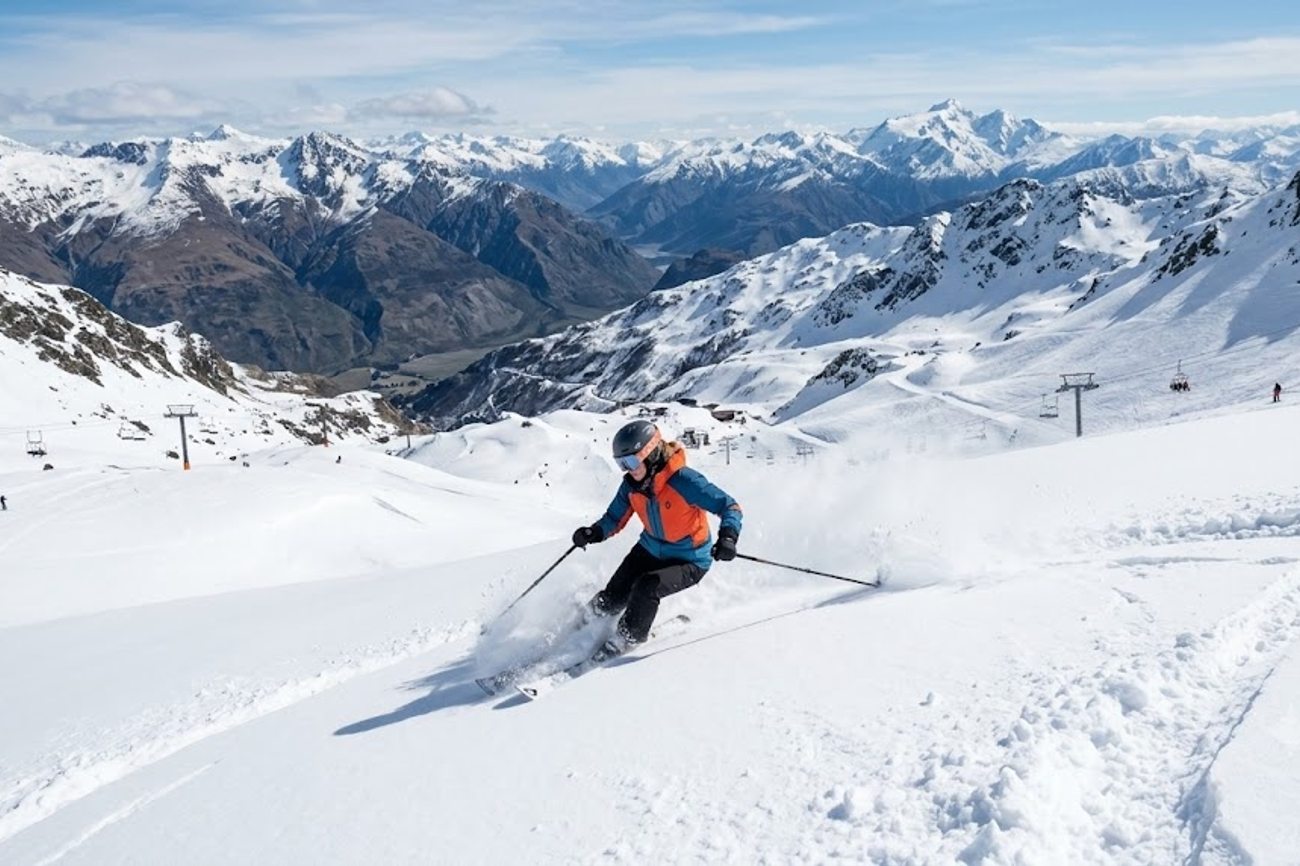
Image generated by AI
[Queenstown, September 6, 2026] — Cardrona Alpine Resort has officially extended its 2026 operating calendar by one full week, allowing visitors to access the slopes until Sunday, 18 October 2026. This decision comes as a direct result of significant mid-season snowfall and a surge in traveler demand for spring skiing opportunities in the Southern Alps.
The extension provides a critical window for international and domestic tourists who missed the peak winter rush, offering a rare opportunity to experience New Zealand's alpine terrain during the transition from winter to spring. By shifting the closing date, the resort is capitalizing on favorable weather patterns that have historically supported late-season activities.
Cardrona Alpine Resort Pushes Closing Date to October 18
As the largest ski field in New Zealand, Cardrona's operational decisions significantly influence the broader regional tourism economy. The confirmation that the mountain will remain open until 18 October 2026 is a response to consistent late-season snow accumulation, which has become a recurring trend in recent years.
Industry reports indicate that the resort has faced mounting pressure from guests requesting longer access to the terrain. By extending the season, Cardrona is not only meeting this demand but also providing a safety net for travelers whose plans may have been disrupted by earlier winter weather or flight availability. This flexibility is particularly beneficial for those organizing complex international itineraries involving multiple Southern Alps destinations.
Snowfall Levels and Guest Demand Drive Operational Shifts
The decision to maintain operations into mid-October was heavily influenced by the current state of the snowpack. Laura Hedley, the chief mountains officer for both Cardrona and Treble Cone, confirmed that the snowfall recorded prior to the spring transition was sufficient to justify the extension.
According to Hedley, the additional week is intended to serve both the local skiing community and the global tourism market. The extension allows for a more relaxed pace of travel, reducing the congestion typically seen during the July and August peak months. For many skiers, the "spring skiing" window is highly coveted due to longer daylight hours and generally milder temperatures, combined with the stability of a well-established snow base.
Spring Promotions and Value Packages at Cardrona and Treble Cone
To complement the extended dates, the resort has launched a series of targeted spring incentives. These offers are designed to lower the barrier to entry for beginners and provide better value for long-term visitors. These promotions are applicable at both Cardrona and its sister property, Treble Cone.
The current spring offerings include:
| Offer Type | Target Audience | Key Benefit |
|---|---|---|
| Spring Multi-Day Pass | Frequent Skiers/Tourists | Discounted rates for multiple days of access |
| Ski Kindy | Young Children/Beginners | Specialized learning packages for early skiers |
| Bus Transport Deal | Non-drivers/Tourists | Integrated transport solutions to the mountain |
These packages are strategically positioned to attract families and first-time skiers who may be intimidated by the intensity of mid-winter conditions. By bundling transport and multi-day access, the resort is simplifying the logistical hurdles associated with New Zealand ski travel.
Strategic Impact on New Zealand Alpine Tourism
The extension of the 2026 season highlights a shift toward more flexible, demand-driven operational models within the New Zealand ski industry. Rather than adhering to a rigid calendar, resorts are increasingly using real-time snow data and guest feedback to dictate closing dates.
For travel professionals and itinerary planners, this extension opens up new possibilities for late-season alpine packages. It allows for the creation of "shoulder season" trips that combine spring skiing with other regional activities, such as hiking or vineyard tours in the Otago region. This diversification helps stabilize tourism revenue beyond the traditional winter window.
Why This Matters (Information Gain & Experience)
For the traveler, this extension transforms the New Zealand ski experience from a high-pressure winter sprint into a flexible spring retreat. Historically, the end of the season was a hard deadline; however, the shift to October 18 means that travelers can now prioritize weather windows over strict calendar dates.
From a logistical standpoint, this creates a significant advantage for those traveling from the Northern Hemisphere. It allows for a "counter-season" trip that avoids the most expensive peak-winter pricing while still providing high-quality snow conditions. Furthermore, the inclusion of Treble Cone in the spring promotions means visitors can experience two distinct mountain profiles—one larger and more varied (Cardrona), and one known for its steeper, more challenging terrain (Treble Cone)—under a single promotional umbrella.
For the beginner, the "Ski Kindy" and spring pass options reduce the financial risk of learning to ski. Spring conditions are often more forgiving than the harsh frosts of July, making the October window the ideal entry point for those who have never stepped foot on a slope.
Related Travel Guides
Disclaimer
This article is for informational and educational purposes only. It does not constitute legal, financial, or professional advice. While we strive to provide accurate and up-to-date information, travel policies, regulations, and conditions change rapidly. Always verify information with official sources before making travel decisions. Nomad Lawyer makes no representations about the accuracy, reliability, completeness, or suitability of the information provided. Readers should consult qualified professionals for advice specific to their circumstances. The views expressed in this article are those of the author and do not necessarily reflect the views of Nomad Lawyer.
Raushan Kumar
Founder & Lead Developer
Full-stack developer with 11+ years of experience and a passionate traveller. Raushan built Nomad Lawyer from the ground up with a vision to create the best travel and law experience on the web.
Learn more about our team →