
Urgent Travel Safety Warning for New York, London, and Paris as Carbon Monoxide Risks Surge Amid Global Energy Crisis: How Portable Detection Technology Defies Strait of Hormuz Tensions and Rising Oil Prices to Shield International Travelers
International travel safety standards are being redefined as portable carbon monoxide detection technology becomes a mandatory shield for travelers in New York, London, and Paris facing the infrastructure risks of a global energy crisis.

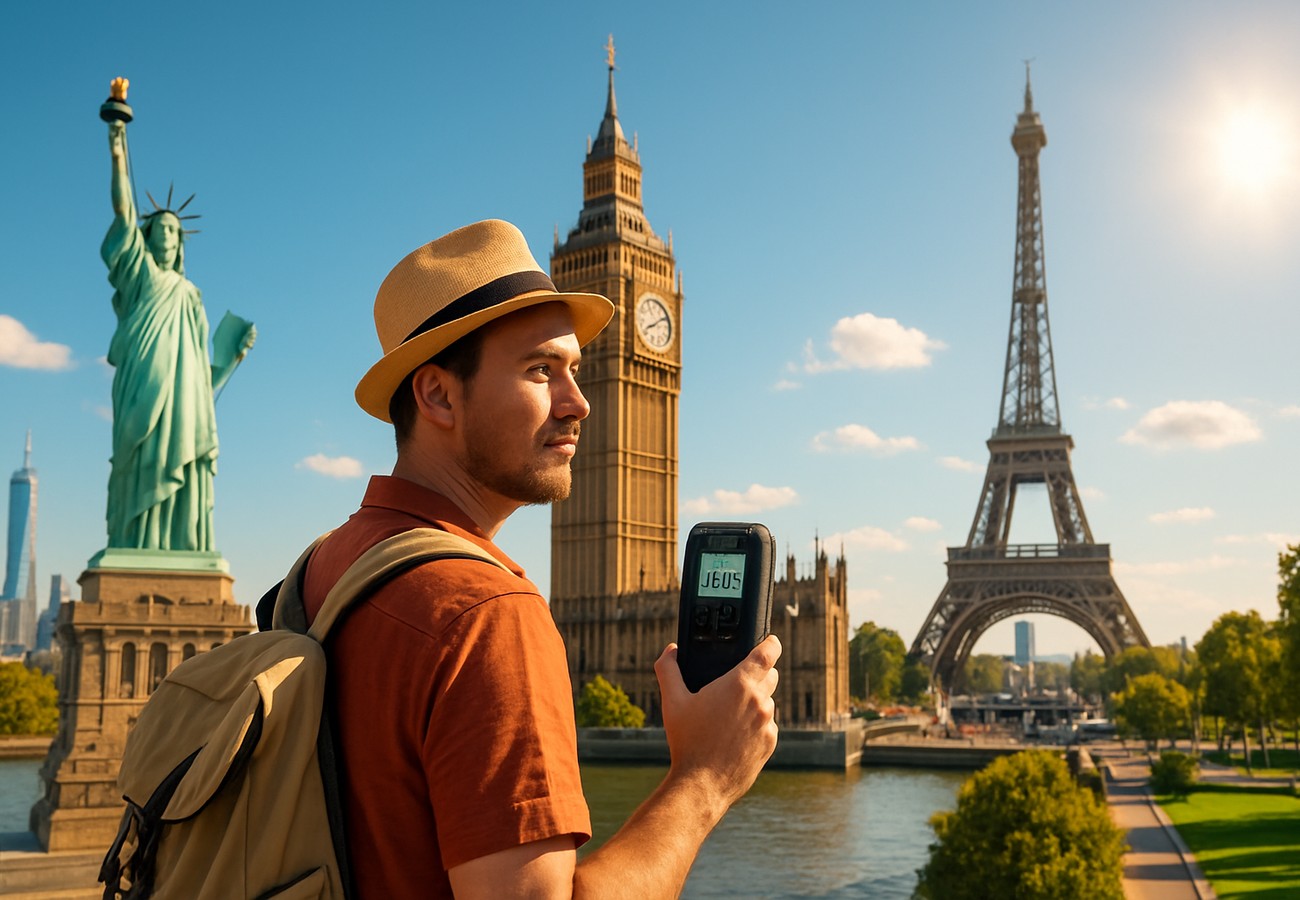
Image generated by AI
Quick Summary
- Invisible Threat: Carbon monoxide (CO) risks are surging in major hubs like New York, London, Paris, and Toronto as the global energy crisis forces older heating systems to operate under extreme strain.
- Self-Sufficiency Era: Portable, battery-operated CO detectors are becoming the "survival kit" staple for international travelers navigating unregulated short-term rentals.
- Energy Overhead: Rising oil prices and gas shortages have led to lax maintenance standards in budget-conscious accommodations, increasing the risk of toxic leaks.
- Geopolitical Friction: Tensions in the Strait of Hormuz and the US-Iran conflict have disrupted the energy security of European and North American cities, impacting hotel infrastructure reliability.
- Safety Mandate: Government agencies in the US, Canada, and Europe are reevaluating travel safety frameworks to prioritize early detection and guest awareness.
- Symptom Awareness: Travelers are urged to monitor for dizziness, headaches, and nausea—the early warning signs of CO exposure in "closed-in" travel spaces.
- Source: International Travel Health and Safety Council (ITHSC) Safety Briefing, May 7, 2026.
LONDON — In a development that signals a profound shift in the "holistic" approach to international travel, safety standards across the globe are being urgently reevaluated. According to breaking reports released on May 7, 2026, the rise of advanced carbon monoxide (CO) detection technology is transforming how travelers perceive their security in New York, Los Angeles, London, Paris, and Sydney. This development is being analyzed by senior global affairs journalists as a critical response to the global energy crisis, occurring precisely as Strait of Hormuz tensions and the US-Iran conflict drive oil prices to record highs and force the hospitality sector to operate with aging, high-risk infrastructure.
Expanded Overview: The Invisibility of a 2026 Travel Hazard
Carbon monoxide is an undetectable, odorless, and tasteless gas that poses a lethal concern for public safety, particularly in the "closed-in" environments of hotels and short-term rentals. As the world grapples with the global energy crisis, many accommodation providers—particularly in cold-weather hubs like Boston, Amsterdam, and Berlin—are pushing their heating and ventilation systems to the limit. Malfunctioning combustion appliances and poor ventilation are no longer just "maintenance issues"; they have become systemic risks that are forcing travelers to take their environmental safety into their own hands.
Geopolitical Context: Navigating the Strait of Hormuz and Infrastructure Risk
The broader geopolitical landscape in 2026 has been dominated by the standoff in the Strait of Hormuz. As Saudi Arabia, the UAE, and Qatar work to stabilize global energy flows, the resulting volatility has created a "high-stakes" environment for European and North American hospitality. The US-Iran conflict has further complicated the procurement of specialized sensors and HVAC components, which are often delayed by massive shipping disruptions. This "infrastructure gap" has made portable CO detectors a vital tool for the "safety-conscious" traveler, providing a layer of protection that regional regulations have yet to mandate.
Global Energy Impact: The Squeeze on Budget Accommodations
Rising oil prices and gas shortages have fundamentally redrawn the safety map for 2026.
- Operational Strain: Budget-conscious rentals and older hotels are increasingly using outdated heating systems to bypass the high cost of modern energy-efficient upgrades.
- Lax Standards: The global energy crisis has led to a "cost-cutting" culture in some sectors of the hospitality industry, where frequent monitoring and maintenance of heating systems are being deprioritized.
Shipping and Trade Impact: The Distribution of "Self-Sufficiency" Tools
The ongoing shipping disruption in global trade routes has made the availability of these new portable, dual-purpose CO and smoke safety systems a priority.
- Supply Chain Resilience: As travelers encounter flight cancellations and airport disruptions, their reliance on their "portable sanctuary" grows. The ability to monitor one's environment in real-time is being viewed as a "high-order" public health necessity.
- Global Inclusion: Enhanced safety solutions are now rapidly moving across North America, Europe, and Asia, reflecting a global shift toward "preventative" travel measures beyond transport alone.
Regional Impact: High-Tourism Cities at the Forefront
Major tourism hubs are feeling the pressure to align with new government safety recommendations:
- New York & London: Densely populated urban areas with a high volume of older building stock are the primary focus for new portable detection campaigns.
- Paris & Toronto: These cities are leading the shift in seeing travel safety extend beyond the aspect of transport to include the occupied space itself.
- Sydney & Los Angeles: The demand for "travel smart" strategies is influencing how travelers choose their accommodation options, with environmental health now a top-tier filter.
Industry / Expert Analysis: Why This Matters for Global Public Health
Public health and safety agencies suggest that the "CO Revolution" is a necessary evolution of the travel industry. In an era where the global energy crisis makes spontaneous travel more difficult, the "safety of the occupant" is the only variable the traveler can fully control. The availability of tiny, compact, and battery-operated sensors breaks down the barriers of residential and travel space safety, allowing the "safety-conscious" traveler to navigate even the most volatile regions with a degree of confidence.
What Happens Next: The Future of Global Safety Mandates
Following the May 7 briefing, several key industry trends are anticipated:
- Mandatory Disclosures: Short-term rental platforms may soon be required to disclose the presence (or absence) of active CO detection systems in all listings.
- Portable Sales Surge: A massive increase in the sales of battery-operated detection units as travelers prioritize "environmental risk monitoring."
- Awareness Campaigns: Global safety agencies will continue to urge travelers to be cognizant of symptoms like dizziness and headaches—the "silent alarms" of CO exposure.
Conclusion: Reinforcing the Global Risk and Traveler Safety
The rise of portable carbon monoxide detection is a testament to the power of resilience in a world of shipping disruptions and oil price volatility. By surmounting the challenges of the global energy crisis and the geopolitical shadow of the Strait of Hormuz, international travelers are proving that they can better control their trips through "preventative" technology. As the world watches the Middle East, the message for travelers is clear: be "travel smart," carry your own protection, and ensure that every trip is as safe as possible.
Key Takeaways: Carbon Monoxide Travel Safety 2026
- Key Risks: Malfunctioning heating, poor ventilation, and lax maintenance in older buildings.
- Impact Cities: New York, London, Paris, Toronto, Sydney, and Amsterdam.
- Solution: Portable, battery-operated, dual-purpose CO and smoke detectors.
- Drivers: High energy costs, shipping disruptions, and the US-Iran conflict.
- Symptoms: Headaches, dizziness, and nausea are the primary indicators of exposure.
- Outlook: A holistic shift toward occupant safety in all travel accommodations.
Related Travel Alerts
Disclaimer
This article is for informational and educational purposes only. It does not constitute legal, financial, or professional advice. While we strive to provide accurate and up-to-date information, travel policies, regulations, and conditions change rapidly. Always verify information with official sources before making travel decisions. Nomad Lawyer makes no representations about the accuracy, reliability, completeness, or suitability of the information provided. Readers should consult qualified professionals for advice specific to their circumstances. The views expressed in this article are those of the author and do not necessarily reflect the views of Nomad Lawyer.
Kunal K Choudhary
Co-Founder & Contributor
A passionate traveller and tech enthusiast. Kunal contributes to the vision and growth of Nomad Lawyer, bringing fresh perspectives and driving the community forward.
Learn more about our team →